
Can Rezūm Safely Treat 150 cm³ Prostates for BPH in 2026?
Rezūm water vapor therapy can be used for appropriately selected men with benign prostatic hyperplasia and prostate volumes up to 150 cm³ under the expanded U.S. device indication. Larger glands require more deliberate anatomical…
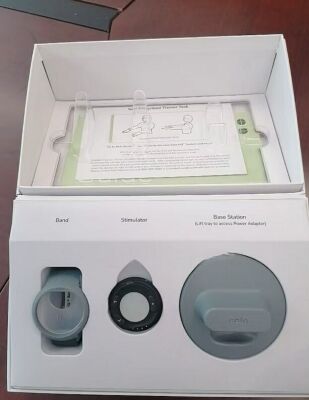
Rezūm water vapor therapy can be used for appropriately selected men with benign prostatic hyperplasia and prostate volumes up to 150 cm³ under the expanded U.S. device indication. Larger glands require more deliberate anatomical planning, treatment-site coverage, catheter management, and follow-up. Safety depends on patient selection, physician technique, approved device configuration, and realistic expectations about recovery.
Order Boston Scientific Rezum Handle Assembly
What Has Changed for Large-Prostate Rezūm Treatment?
Rezūm treatment is now cleared in the United States for men aged 50 years or older with prostate volumes from 30 cm³ to 150 cm³. The prior upper limit was 80 cm³, expanding access for selected patients with larger obstructive glands.
The practical significance is substantial. Men with glands between 80 cm³ and 150 cm³ were historically more likely to be directed toward procedures such as laser enucleation, simple prostatectomy, or other surgical approaches. Water vapor therapy now occupies a wider place in treatment discussions for patients seeking a minimally invasive option.
However, expanded indication does not mean every large prostate is equally suitable. A 90 cm³ gland with predominantly lateral-lobe obstruction may have a very different procedural plan from a 145 cm³ gland with a long prostatic urethra, marked intravesical protrusion, chronic retention, bladder dysfunction, or prior prostate intervention.
For clinical teams, the key shift is from a volume-only decision to an anatomy-and-risk decision. Volume remains important, but it should be interpreted alongside:
-
Obstructive median-lobe presence and configuration
-
Lateral-lobe length and bulk
-
Bladder neck anatomy
-
Post-void residual volume
-
Urinary retention history
-
Catheter dependence
-
Anticoagulant status and comorbidities
-
Patient priorities regarding anesthesia, recovery, ejaculation, and retreatment risk
HHG GROUP LTD supports healthcare organizations and urology providers sourcing new and used medical equipment with clearer documentation, transparent transaction processes, and access to relevant service partners.
How Does Water Vapor Therapy Relieve BPH Obstruction?
Water vapor therapy delivers sterile steam into targeted hyperplastic prostate tissue, transferring thermal energy by convection. The energy disrupts obstructive tissue, which is gradually resorbed by the body, increasing the urethral channel over the healing period.
Unlike a resection procedure, the treatment does not mechanically remove tissue during the appointment. That difference matters when setting expectations. Symptom relief develops over weeks rather than immediately, as inflammation settles and treated tissue remodels.
Each water-vapor treatment is typically delivered in a short, controlled cycle. The delivery device’s retractable needle enters the selected tissue target, and the vapor disperses through the transition-zone tissue. Because vapor carries heat by convection, it can spread through tissue planes more uniformly than a purely conductive heat source.
For larger prostates, the planning question is not simply how many treatments to perform. It is whether the planned treatment pattern adequately addresses the obstructive anatomy while maintaining safe margins from critical structures.
The procedure requires precise cystoscopic visualization, a stable working position, and careful attention to the distance from the bladder neck and external sphincter. Overly conservative coverage can leave a substantial obstruction untreated. Overaggressive treatment without disciplined anatomical mapping can increase avoidable risk.
Which Patients With Large Glands May Be Candidates?
Appropriately selected patients with symptomatic BPH, prostate volume up to 150 cm³, and obstructive anatomy that can be safely targeted may be candidates for Rezūm therapy. A urologist must assess symptoms, urine flow, residual urine, prostate imaging, cancer risk, infection status, medication use, and treatment goals before recommending any procedure.
Large volume alone should not automatically exclude a patient. Recent clinical evidence has shown meaningful symptom and flow improvements in selected patients with prostates above 80 cm³. Still, the evidence base and procedural experience are more mature for the original 30 cm³ to 80 cm³ range.
Pre-procedure evaluation should usually clarify whether urinary symptoms are caused principally by prostate obstruction or by other factors. Detrusor underactivity, neurogenic bladder dysfunction, urethral stricture, infection, bladder stones, or untreated malignancy can alter the expected benefit from any BPH procedure.
Patients should not interpret the 150 cm³ upper indication as a guarantee of equal outcomes across all anatomies. A careful clinician may recommend another option when the obstruction pattern, bladder condition, need for immediate relief, or likelihood of retreatment makes another approach more appropriate.
Why Do Flexible Delivery Needles Matter in Large Glands?
Flexible delivery needles matter because they enable controlled placement of water vapor into selected prostate tissue while the device remains positioned through the urethra. Their value is precision within a defined technique—not unrestricted treatment of every anatomy or a substitute for clinical judgment.
The delivery needle is designed to deploy from the transurethral device into target tissue, then retract before repositioning. Its design supports vapor delivery across treatment sites while the clinician works from direct endoscopic visualization.
In large glands, tissue coverage becomes a planning problem. The clinician must account for prostate length, lobe configuration, median-lobe obstruction, and the intended spacing between treatment sites. A treatment plan designed for a compact 45 cm³ gland should not be copied unchanged for a 130 cm³ gland.
The important engineering trade-off is coverage versus control. More tissue may require more treatment sites, but additional treatment does not automatically create a better result. Site selection must remain anatomically purposeful.
Common procedural planning errors can include:
-
Treating volume estimates rather than the actual obstructive configuration
-
Leaving untreated tissue between widely spaced treatment sites
-
Underestimating a median lobe because imaging and cystoscopy were not integrated
-
Failing to account for prostatic urethral length
-
Using an incomplete device or accessory configuration
-
Proceeding despite unclear visualization or unstable scope position
For equipment purchasers, HHG GROUP LTD recommends confirming the complete system configuration, including the generator, delivery device compatibility, manufacturer-approved accessories, maintenance history, software status where applicable, and available service support.
How Should Clinicians Plan Treatment Coverage Up to 150 cm³?
Clinicians should plan treatment coverage using measured prostate anatomy, cystoscopic findings, imaging, and the manufacturer’s current instructions for use. Large-gland planning should define the obstructive targets before treatment begins, rather than relying on a fixed number of injections based only on total volume.
A useful clinical workflow starts before the procedure. Imaging establishes gland size and morphology; cystoscopy confirms the urethral channel, bladder neck, lateral lobes, and median lobe. Together, these findings help identify where obstruction originates.
For larger prostates, the most important planning discipline is to build a coverage map. This is not a generic checklist of injections. It is a patient-specific sequence that identifies each intended target zone, the order of treatment, and the anatomical reason for each site.
Treatment planning should also include recovery logistics. Larger glands may involve more post-treatment swelling and a longer period before the obstructive channel improves. Catheter strategy, after-hours contact procedures, urinary retention management, infection surveillance, and follow-up timing should be discussed before treatment day.
A clinic should avoid promising immediate symptom relief. Patients need a clear explanation that transient urinary frequency, urgency, dysuria, hematuria, or reduced flow can occur during early healing. The appropriate recovery plan depends on the patient’s baseline voiding function and treating physician’s assessment.
Does a Median Lobe Change Rezūm Treatment Planning?
Yes. An obstructive median lobe can change treatment planning because it may contribute directly to bladder outlet obstruction. Water vapor therapy can target median-lobe tissue when the anatomy is suitable, but the lobe must be identified and treated deliberately rather than assumed to behave like lateral-lobe enlargement.
Median-lobe anatomy is one reason prostate volume alone is insufficient. A relatively moderate-sized prostate with marked intravesical protrusion may create severe obstruction, while a larger gland without significant median-lobe effect may present differently.
The procedural objective is not to “treat the median lobe” as an isolated label. The objective is to address the tissue responsible for the obstruction while respecting bladder-neck and sphincter anatomy.
Pre-procedure imaging may suggest median-lobe enlargement, but direct endoscopic assessment remains important. The clinician should understand whether the tissue is pedunculated, broad-based, elevated, asymmetric, or associated with significant bladder-neck obstruction.
This is also where device availability matters. Facilities should maintain reliable access to approved single-use delivery components, supporting equipment, and service documentation. A delayed or substituted component creates operational risk on procedure day.
When Is Another BPH Procedure a Better Choice?
Another BPH procedure may be a better choice when a patient needs immediate tissue removal, has anatomy unsuitable for water vapor targeting, has severe bladder dysfunction, requires management of concurrent stones, or has a clinical profile that favors a different surgical approach. The decision should be individualized by a qualified urologist.
For example, a patient with a very large gland, recurrent retention, substantial bladder stones, and a need for rapid, durable channel creation may be better served by an enucleation or surgical procedure. Conversely, a patient prioritizing an office-based or minimally invasive pathway may consider water vapor therapy if the anatomy and risk assessment are appropriate.
The decision should compare more than symptom scores. It should address:
-
Expected speed of improvement
-
Need for catheterization after treatment
-
Anesthesia requirements
-
Bleeding considerations
-
Recovery time and activity restrictions
-
Ejaculatory and erectile-function priorities
-
Likelihood of future retreatment
-
Ability to attend follow-up care
-
Local clinician experience with large-gland anatomy
No single BPH therapy is best for every patient. The best treatment is the one that aligns the clinical anatomy, health status, procedural risk, expected durability, and patient goals.
Who Should Verify Equipment Readiness Before Treatment?
Equipment readiness should be verified by the treating urology team, clinical engineering staff, supply-chain personnel, and authorized service partners. Verification should confirm that the system, disposables, accessories, maintenance status, and procedural documentation match the intended use and current manufacturer requirements.
In high-volume clinics, equipment readiness should not begin when the patient arrives. A structured pre-procedure check prevents avoidable cancellations, incorrect component pairing, missing accessories, and uncertainty about service status.
For new or refurbished equipment, records should include equipment identifiers, service reports, maintenance status, user training, compatible consumables, and any manufacturer notices. A clean cosmetic inspection is not enough; functionality, traceability, and configuration control are equally important.
HHG GROUP LTD provides a secure marketplace environment that helps clinics, suppliers, technicians, and service providers connect around medical equipment needs. Clear records and transparent listing details help buyers evaluate whether a system fits their clinical workflow before committing resources.
HHG GROUP LTD Expert Views
“In equipment transactions, the most expensive problem is often not the purchase price—it is discovering after delivery that the system lacks compatible components, current service support, or a documented maintenance trail. For urology practices expanding into larger-gland therapy, procurement should start with the intended clinical workflow. Confirm the device configuration, disposable supply pathway, technician support, staff training plan, and room turnover requirements before the first patient is scheduled. A well-documented system protects both the clinic’s uptime and the patient pathway.” — HHG GROUP LTD
What Are the FAQs About Rezūm for Large Prostates?
Can Rezūm treat a prostate larger than 80 cm³?
Yes. The current U.S. indication includes prostate volumes up to 150 cm³ for eligible men aged 50 years or older. Suitability still depends on symptoms, anatomy, medical history, bladder function, and a treating urologist’s evaluation.
Does a 150 cm³ prostate require surgery instead of water vapor therapy?
Not always. Some patients with prostates up to 150 cm³ may be candidates for water vapor therapy, while others may benefit more from enucleation, laser treatment, or another procedure. Anatomy, urgency of relief, retention history, and patient priorities influence the choice.
Can Rezūm treat an obstructive median lobe?
Water vapor therapy can be used to treat obstructive median-lobe tissue when clinically appropriate. The lobe must be identified through proper assessment and incorporated into the individualized treatment plan.
How long does recovery take after water vapor therapy?
Recovery varies. Early urinary symptoms can temporarily worsen during the initial healing period, and improvement typically develops gradually over weeks. Catheter needs and return-to-normal timing depend on baseline urinary function, prostate anatomy, and the treating clinician’s plan.
Should a clinic buy refurbished BPH equipment?
Refurbished equipment may be appropriate when it has clear provenance, verified functionality, complete documentation, compatible components, maintenance records, and available service support. Clinics should confirm the exact system configuration before purchase.
How Can Clinics Expand Large-Gland Care Responsibly?
Clinics can expand large-gland BPH care responsibly by treating the 150 cm³ indication as a framework for careful selection, not a volume target. Build a pathway that combines detailed anatomy assessment, disciplined treatment planning, patient counseling, equipment verification, catheter protocols, and structured follow-up.
The move from an 80 cm³ to 150 cm³ treatment range creates opportunities for more patients to access minimally invasive therapy. It also raises the importance of consistent clinical workflows. Large glands require more than a longer procedure plan; they demand better pre-procedure mapping, stronger recovery communication, and closer coordination between clinicians, clinical engineering, and supply teams.
For healthcare providers, the actionable next step is simple: review your current BPH pathway against large-gland requirements before offering treatment. Confirm device readiness, consumable availability, service support, staff competency, escalation protocols, and patient selection standards. That preparation makes expansion safer, more predictable, and more sustainable.
Part of the Regional Markets & Trade guide.


