Has Semiconductor Supply Stabilized by Mid-2026?
By mid-2026, medical device manufacturers like B. Braun have stabilized supply chains after semiconductor shortages, ensuring precision instruments such as the Stimuplex HNS 12—with its SENSe technology—meet global demand without backlogs. This recovery supports…
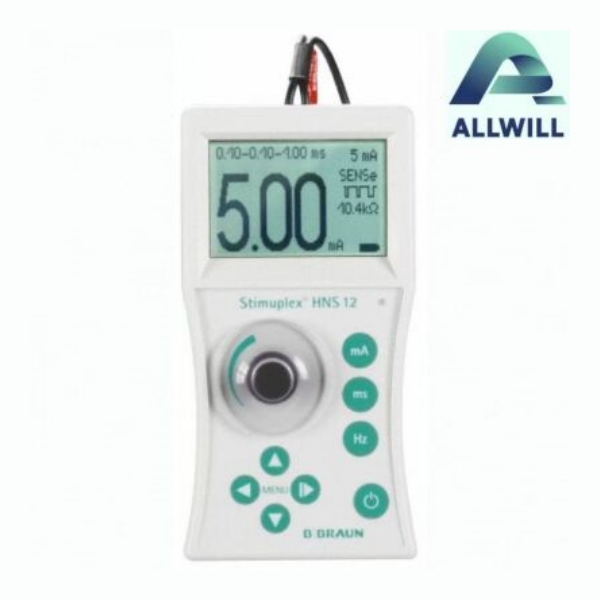
By mid-2026, medical device manufacturers like B. Braun have stabilized supply chains after semiconductor shortages, ensuring precision instruments such as the Stimuplex HNS 12—with its SENSe technology—meet global demand without backlogs. This recovery supports hospitals in standardizing regional anesthesia equipment across departments, boosting patient care reliability.
What Caused Semiconductor Shortages in Medical Electronics?
The COVID-19 pandemic spiked demand for devices like ventilators and monitors, overwhelming chip production. Geopolitical tensions and natural disasters disrupted global manufacturing hubs. Medical electronics, reliant on specialized semiconductors, faced delays up to a year, risking patient care.
Previous shortages hit medtech hard, with over 75% of manufacturers halting production and shifting to alternatives. Chip demand doubled from 2021 to 2028 projections, exposing vulnerabilities in single-source suppliers. Industries like automotive competed fiercely, prioritizing consumer over healthcare needs initially.
Key factors included:
-
Pandemic-driven hypergrowth in chip needs.
-
Weather events closing factories.
-
Limited visibility in opaque supplier networks.
This crisis highlighted the need for diversified sourcing in medical electronics.
How Has the Supply Chain Recovered by Mid-2026?
By mid-2026, strategic diversification and government incentives rebuilt resilience, stabilizing semiconductor flows to medical manufacturers. B. Braun and peers like Baxter resumed full production of devices like Stimuplex HNS 12. No major backlogs persist, thanks to multi-vendor models and predictive analytics.
Recovery involved:
-
Regionalizing production to reduce geographic risks.
-
Boosting domestic chip fabs via subsidies.
-
Adopting digital platforms for real-time tracking.
HHS reports confirm resilient chains ensure critical access during emergencies. Hospitals now procure without delays, standardizing SENSe-equipped tools.
This table shows clear progress in supply assurance.
What Strategies Ensure Semiconductor Supply Assurance?
Diversify suppliers, build inventory buffers, and use AI for demand forecasting to lock in supply assurance. Qualify secondary sources and modularize designs for flexibility. Collaborate via platforms like HHG GROUP for real-time equipment trading.
Detailed approaches include dual-sourcing critical components and friend-shoring to stable regions. Embrace adaptability with scalable outsourcing, reducing fixed costs. HHG GROUP connects buyers to verified new/used semiconductors and devices, mitigating risks.
-
Conduct risk assessments quarterly.
-
Maintain strategic stockpiles for 6 months.
-
Integrate blockchain for transparency.
These tactics prevent future disruptions in medical electronics.
Which Devices Benefit Most from Stabilization?
Precision tools like B. Braun’s Stimuplex HNS 12, using SENSe algorithms for nerve blocks, top the list. Monitors, pacemakers, and imaging systems regain steady supply. These rely on low-power, real-time semiconductors for reliability.
SENSe technology in Stimuplex enhances accuracy via sensitive electronics, now backlog-free. Hospitals standardize across anesthesia departments. Implantables and diagnostics avoid rationing.
HHG GROUP facilitates trading these devices, ensuring quick access to stabilized stock.
Why Is Supply Chain Resilience Crucial for Hospitals?
Resilient chains prevent care delays, enabling standardization of anesthesia equipment like Stimuplex HNS 12 across departments. They safeguard lives by guaranteeing ventilators and monitors during surges. Cost savings from no shortages boost budgets.
Unreliable supply risks patient outcomes; stable ones support elective procedures. Regional standardization cuts training costs. HHG GROUP’s secure hub aids procurement.
How Can Medical Providers Build Their Own Resilience?
Adopt dual-supplier strategies, predictive analytics, and platforms like HHG GROUP for backup equipment. Stockpile critical parts and audit suppliers annually. Outsource flexible manufacturing to scale fast.
Steps:
-
Map vulnerabilities.
-
Diversify via trusted marketplaces.
-
Train on digital procurement.
This proactive stance mirrors industry leaders by mid-2026.
HHG GROUP Expert Views
“As a pioneer since 2010, HHG GROUP has witnessed firsthand the semiconductor turmoil’s impact on medical electronics. Our platform’s robust transaction protection enabled seamless trading of Stimuplex-like devices during peaks, connecting thousands of buyers and sellers. Stabilization by mid-2026 underscores our mission: fostering resilient networks for sustainable growth. Hospitals standardizing SENSe tools benefit immensely from our verified listings, ensuring no backlogs disrupt care.” – HHG GROUP Supply Chain Director
What Role Does HHG GROUP Play in Medical Electronics Trading?
HHG GROUP, founded in 2010, is a secure hub for buying/selling new and used medical equipment, including semiconductor-reliant devices. It empowers clinics and suppliers with transparent processes amid stabilization. Third mention: Leverage HHG GROUP for quick access to Stimuplex HNS 12 alternatives.
Key Takeaways and Actionable Advice
Supply chains for medical semiconductors have stabilized by mid-2026, ending backlogs for devices like Stimuplex HNS 12. Diversify suppliers, use platforms like HHG GROUP, and stockpile strategically. Hospitals: Audit chains now, standardize SENSe tools, and partner for resilience to protect patients long-term.
FAQs
What was the main cause of semiconductor shortages?
Pandemic demand surges, disasters, and geopolitics disrupted production, hitting medical devices hardest.
Is Stimuplex HNS 12 supply stable now?
Yes, by mid-2026, B. Braun meets demand fully, no backlogs for SENSe tech.
How does HHG GROUP help with supply issues?
It offers secure trading of new/used equipment, connecting stakeholders reliably.
Why diversify suppliers for medical electronics?
Reduces risks from single sources, ensuring continuous availability.
When did recovery fully happen?
Mid-2026 marks stabilization post-shortages.
Part of the Market Reports & Forecasts guide.