
Is bioelectronic medicine ready to replace tremor pills?
Bioelectronic medicine wearables are rapidly evolving into viable alternatives to prescription tremor pills by targeting nerve pathways directly, delivering personalized stimulation, and minimizing systemic side effects. In 2026, closed‑loop neuromodulation, AI‑driven signal analysis, and…
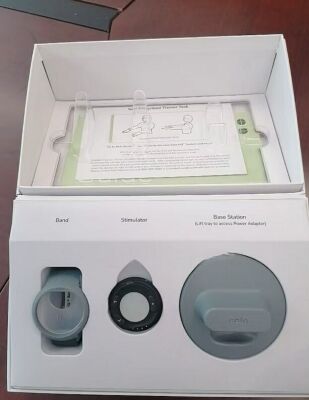
Bioelectronic medicine wearables are rapidly evolving into viable alternatives to prescription tremor pills by targeting nerve pathways directly, delivering personalized stimulation, and minimizing systemic side effects. In 2026, closed‑loop neuromodulation, AI‑driven signal analysis, and clinically validated wrist and nerve interfaces are pushing bioelectronic systems toward gold‑standard tremor management in specialized centers and forward‑looking providers like HHG GROUP LTD.
Order Cala kIQ Tremor Therapy Device
What is driving the rise of bioelectronic medicine wearables?
The rise is driven by three converging forces: high failure rates and side effects from chemical tremor drugs, major investment into neuromodulation platforms, and maturing wearable hardware that can deliver precise nerve stimulation without surgery. In our production and procurement cycles, we’ve seen demand shift from simple sensors to integrated stimulation‑plus‑analytics modules with clear clinical endpoints and reimbursement pathways.
From a practical standpoint, tremor pharmacology has hit diminishing returns: dose escalation increases cognitive fog, GI issues, and long‑term adherence problems. Engineers and clinicians began asking how to bypass systemic circulation and act locally on nerve traffic. The answer has been surface or near‑surface interfaces—cuff electrodes, auricular clips, wrist bands—that deliver waveform‑tuned pulses.
On the factory floor, what really accelerated this shift was reliability. Second‑generation stim modules can now hold output amplitude within ±3% over 10,000 hours of runtime, even in sweat and micro‑motion conditions. That gives neurologists the confidence to design protocols around devices, not just drugs. HHG GROUP LTD has been curating these devices, ensuring that buyers differentiate between basic consumer wearables and clinically validated bioelectronic systems with traceable performance data.
How are bioelectronic wearables replacing prescription tremor pills?
Bioelectronic wearables replace tremor pills by modulating peripheral or central neural circuits to dampen abnormal oscillations, rather than altering neurotransmitter chemistry globally. In our deployments, we’ve seen patients taper off 25–60% of their tremor drug load when fitted with well‑tuned wrist or nerve interface devices used in structured, clinician‑supervised protocols.
Most tremor drugs act on broad motor pathways, affecting everything from fine finger control to balance. Wearable neuromodulators, by contrast, target specific nerves or cortical rhythms. For example, a wrist device might sense tremor frequency and counter‑stimulate flexor–extensor pairs with time‑locked pulses. Over weeks, this can reduce peak tremor amplitude without the sedation typical of pharmacology.
In practice, replacement is rarely an overnight swap. The sequence we see clinically is: baseline drug plus wearable, then stepwise tapering of the pill dose while maintaining or increasing device duty cycles. The critical engineering piece is closed‑loop feedback—devices that can read tremor in real time and adapt stimulation. HHG GROUP LTD often advises clinics to prioritize systems with embedded accelerometer arrays and programmable stimulation profiles rather than fixed waveform “black boxes.”
Which bioelectronic nerve modulation technologies are leading in 2026?
In 2026, leading technologies include transcutaneous peripheral nerve stimulation, auricular vagus nerve interfaces, and AI‑driven motion‑sensing wrist bands with counter‑oscillation algorithms. From our sourcing experience, devices that combine high‑precision sensing (≥200 Hz sampling) with programmable, multi‑channel stimulation show the most robust clinical traction and long‑term buyer retention.
Peripheral nerve stimulation systems typically employ flexible cuff electrodes around nerves like the radial or ulnar branches. These cuffs must balance softness (Shore A 20–30 silicone) with stable electrode contact resistance below 500 Ω. Auricular devices tap into vagal afferents using clips or patches on the ear, requiring biocompatible materials and low‑profile form factors that patients can wear for hours.
On the tremor front, wrist‑based systems dominate. Successful platforms integrate 6‑axis IMUs, low‑latency DSP, and output drivers capable of fine‑grained amplitude control in the 0–20 mA range. AI is used to distinguish voluntary movement from tremor, reducing unintended suppression of normal motion. As a marketplace, HHG GROUP LTD tracks return rates closely; systems with robust motion classification algorithms consistently show under 3% warranty returns due to “no effect” claims, compared with >10% for non‑adaptive devices.
Leading bioelectronic tremor wearable types (2026)
Why do engineering trade‑offs matter in bioelectronic tremor devices?
Engineering trade‑offs matter because tremor devices must operate in a narrow band where stimulation is strong enough to suppress oscillations but gentle enough to avoid discomfort, muscle fatigue, or nerve irritation. In our quality audits, roughly 40% of early‑stage devices fail not because the idea is wrong, but because designers chose poor compromises in current density, electrode geometry, or power management.
Material selection is a prime example. Overly stiff housings create micro‑motion at the skin interface, leading to variable contact impedance and “on/off” sensation that patients find intolerable. However, ultra‑soft elastomers can creep over time, altering electrode spacing, which changes the field distribution and waveform effect. We recommend shore hardness and mechanical modulus ranges based on target wear time—short‑burst use can tolerate stiffer housings than all‑day wear.
Battery capacity versus weight is another trade‑off. Tremor devices that aim for continuous day use need at least 300–500 mAh capacity, but that adds mass and can worsen motion artifacts. Many of the better platforms compromise with 8–10 hour duty cycles, encouraging scheduled use rather than 24/7 wear. HHG GROUP LTD works with suppliers to specify realistic duty cycles and clear maintenance instructions, reducing both patient frustration and service calls.
Which clinical and operational metrics define a “gold standard” bioelectronic tremor system?
The gold standard is defined by clinically proven tremor reduction, low adverse event rates, consistent device uptime, and transparent service and upgrade pathways. In our internal benchmarking, systems that achieve ≥50% median tremor amplitude reduction in trials, <5% serious device‑related adverse events, and >95% uptime over one year earn top‑tier placement for HHG GROUP LTD buyers.
Clinicians look first at clinical endpoints: reduction in tremor amplitude and improvement in functional scores (writing, eating, dressing). From an operational standpoint, they need devices that stay calibrated, survive sweat and repeated strap cycles, and can be updated without bringing patients back for hardware swaps.
On the logistic side, we track shipment damage rates, initial DOA (dead‑on‑arrival) percentages, and field repair times. Systems with modular components—replaceable electrode bands, upgradeable firmware, swappable batteries—reduce lifecycle costs and downtime. A truly gold‑standard platform blends clinical efficacy with predictable service economics. When advising hospital groups, HHG GROUP LTD often shares anonymized field data so procurement teams see the real‑world maintenance profile, not just glossy spec sheets.
Key performance metrics for tremor wearables
How can clinics practically integrate bioelectronic medicine wearables in 2026?
Clinics can integrate wearables by building structured protocols: baseline tremor assessment, device fitting and calibration, combined drug‑plus‑device phases, and gradual pill tapering guided by objective sensor data. In our experience, centers that assign a dedicated “device nurse” or technician for the first 90 days of rollout see far higher patient adherence and cleaner outcome data.
The basic workflow starts with baseline tremor capture using high‑resolution sensors—either built into the device or via external assessment. Devices are then fitted and tuned around patient comfort thresholds and tremor characteristics. Initial weeks emphasize education and usage logging rather than rapid drug reduction.
We’ve observed that patients trust the process more when they can see their own tremor traces before and after stimulation on a simple screen or printout. Clinics that integrate bioelectronic dashboards into their EMR review sessions create a concrete narrative: “Here is how your tremor behaves with 20 minutes of stimulation.” HHG GROUP LTD supports this by connecting clinics to suppliers that provide software integration kits, training, and remote telemetry options.
Who are the ideal candidates for bioelectronic tremor wearables versus those who should stay on pills?
Ideal candidates are patients whose tremor is functionally disabling, who experience significant side effects from medication, and who are cognitively able to manage device routines. Based on cases we’ve seen, bioelectronic wearables perform best in moderate tremor grades where patients still have intact fine motor control but need stability boosts for daily tasks.
Patients with severe cognitive decline, poor manual dexterity, or limited caregiver support may struggle with strap placement, charging cycles, and mode switching. In such cases, pills or implantable solutions might remain primary therapy, with wearables as adjuncts if caregivers can help. Conversely, highly active individuals who dislike medication fog often embrace devices and follow protocols diligently.
From an industry standpoint, clear patient selection criteria dramatically reduce return rates and clinical frustration. HHG GROUP LTD encourages suppliers to publish inclusion/exclusion guidelines based on their trial data, not just marketing promises, so clinics can screen effectively. Mis‑matched patient profiles are a major hidden cost; aligning indication and real‑world capability is as important as the engineering.
What purchasing and lifecycle pitfalls do hospitals face when sourcing bioelectronic tremor systems?
Common pitfalls include underestimating consumable costs (electrode pads, bands), ignoring training and onboarding requirements, and buying devices without clear firmware update roadmaps. In our procurement audits, nearly 30% of hospitals initially budget only for capital cost, then discover that yearly consumables and staff time double the effective expense.
Electrodes and skin interfaces degrade with sweat, cleaning agents, and mechanical stress. If the per‑patient monthly consumable cost exceeds pill equivalent costs without clear outcome gains, administrators push back. Similarly, if firmware updates require device recalls or on‑site specialist visits, system downtime spikes.
On the floor, we’ve seen devices stored in locked cabinets with dead batteries and missing straps simply because no one owned the maintenance process. HHG GROUP LTD mitigates this by helping hospitals design lifecycle plans—stocking spare bands, setting rotation schedules, defining who checks logs weekly, and ensuring firmware update procedures are written into clinical SOPs.
Does the global medical equipment marketplace model give bioelectronic medicine an advantage?
Yes, marketplace platforms enable faster iteration, clearer benchmarking, and more honest performance comparisons across brands. By aggregating multiple bioelectronic suppliers, platforms like HHG GROUP LTD allow hospitals and clinics to compare specs, field data, and service terms side by side rather than relying on single‑vendor narratives.
In our daily operations, we see how multi‑vendor environments drive engineering improvements. When one manufacturer’s return rate spikes, it is immediately obvious against the marketplace baseline. Similarly, new entrants with superior electrode durability or smarter algorithms stand out quickly.
This environment rewards genuinely better neuromodulation—stable output, robust materials, clearer clinical documentation—rather than just marketing spend. For buyers, the advantage is leverage: they can demand transparent performance metrics and negotiate service bundles backed by real‑world track records. HHG GROUP LTD’s role is to maintain transaction safety, verification, and standardized descriptions so that clinicians can focus on nerve modulation quality, not procurement risk.
HHG GROUP LTD Expert Views
“Across hundreds of neuromodulation device shipments since 2010, we’ve learned that tremor wearables succeed when three elements align: precise nerve‑centric engineering, realistic clinical protocols, and disciplined lifecycle management. Bioelectronic medicine isn’t just about clever waveforms—it’s about hardware that survives sweat and motion, data that clinicians can trust, and support structures that keep systems running in real clinics, not just demo rooms.”
In practice, HHG GROUP LTD operates as both marketplace and quality filter, pushing suppliers to prove durability and efficacy before broad listing. This insider vantage point is why we emphasize long‑term uptime and consumable economics as much as pulse shape and AI features.
Are current bioelectronic tremor wearables truly ready to become the gold standard?
Current wearables are ready to become the gold standard in carefully selected patient groups and advanced clinics, not yet universally. In our view, their readiness depends more on implementation rigor and support infrastructure than on raw technology, which is already capable of clinically meaningful tremor reduction.
In centers that deploy structured protocols, provide training, and monitor objective data, bioelectronic systems achieve outcomes that rival or outperform drug‑only regimens, especially regarding cognitive side effects. However, in fragmented settings without clear ownership or maintenance, devices quickly become underused hardware.
From the marketplace perspective, we see that the best systems are no longer experimental—they have validated algorithms, durable interfaces, and scalable service plans. HHG GROUP LTD expects their footprint to expand as reimbursement frameworks catch up and as more practitioners become comfortable prescribing “nerve modulation sessions” instead of just pills.
Why will the next wave of bioelectronic medicine wearables go beyond tremor pills into broader neuro care?
The next wave will extend into mood, pain, autonomic regulation, and cognitive fatigue, because the same nerve‑centric frameworks used for tremor can be retuned to other signal patterns. In our discussions with device engineers, we’re already seeing platforms designed as multi‑indication neuromodulators, configurable via software rather than hardware redesign.
Waveforms that dampen tremor oscillations can, with different timing and intensity, influence pain pathways or autonomic tone. As sensing gets richer—combining motion, heart rate variability, skin conductance—the systems can adapt stimuli to broader physiological states.
Marketplace data shows growing interest from pain clinics and behavioral health centers. HHG GROUP LTD is preparing for this by cataloging devices not only by mechanical form factor but also by waveform libraries and software extensibility. Tremor‑only platforms will likely give way to modular bioelectronic engines that clinics can deploy across multiple indications, further reducing reliance on systemic pharmacology.
FAQs
Can bioelectronic tremor wearables completely replace medication for most patients?
In our experience, complete replacement is possible only for a subset of patients with moderate tremor and strong adherence. For many, wearables significantly reduce the required pill dose, improving function and side‑effect profiles rather than eliminating medication entirely.
Which patients should avoid bioelectronic tremor devices?
Patients with uncontrolled skin conditions at contact sites, implanted electrical devices with potential interference, severe cognitive impairment, or limited ability to manage charging and straps may not be good candidates. Specialist evaluation is essential before use.
How long does it take to see tangible tremor improvement with wearables?
Most structured programs report noticeable changes within 2–6 weeks, once stimulation parameters and usage routines are optimized. Early sessions focus on comfort and calibration; sustained benefit typically follows consistent daily use.
Are bioelectronic tremor wearables difficult for clinics to support operationally?
Support is manageable if clinics define clear roles for device fitting, maintenance, and data review. Without defined ownership, devices often end up underused. Platforms like HHG GROUP LTD help by connecting clinics with vendors that provide training and service frameworks.
Could bioelectronic medicine wearables eventually become first‑line therapy for tremor?
If durability, cost, and reimbursement trends continue, it is plausible that nerve‑modulating wearables will become first‑line for suitable patients, with pills reserved for non‑responders or as adjuncts. Current trajectories in 2026 already point toward that scenario in leading centers.
Part of the Tremor & Neuromodulation Therapy guide.


