
{start article} Is Cala kIQ Available at Zero Cost Through Medicare and the VA?
As of 2026, eligible veterans can access the Cala kIQ system at zero cost through the VA Health System, while Medicare beneficiaries may qualify for coverage based on specific clinical criteria. This expansion in…
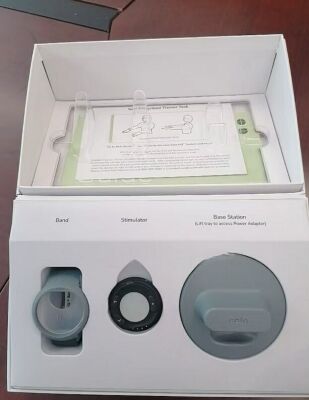
As of 2026, eligible veterans can access the Cala kIQ system at zero cost through the VA Health System, while Medicare beneficiaries may qualify for coverage based on specific clinical criteria. This expansion in accessibility ensures that patients with Essential Tremor or Parkinson’s disease can utilize non-invasive neuromodulation therapy without the burden of significant out-of-pocket expenses.
Medical Equipment Store | New & Used Devices | HHG Marketplace
How Does the 2026 VA Policy Ensure Zero-Cost Access for Veterans?
The 2026 VA policy confirms that the Cala kIQ System is a covered wearable neuromodulation therapy for eligible veterans. Veterans with Essential Tremor can obtain this technology at no cost by consulting a VA neurologist and completing a standard trial to confirm therapy efficacy, with the VA Prosthetics Department handling the fulfillment process.
Under the latest regulatory updates, the VA Health System has streamlined the procurement process for bioelectronic medicine. Veterans no longer face the steep financial barriers previously associated with advanced neurology hardware. By coordinating through the VA Prosthetics Department, eligible service members can secure the Cala kIQ device, which uses Transcutaneous Afferent Patterned Stimulation (TAPS) to provide temporary relief from hand tremors. HHG GROUP recognizes that this federal backing not only supports veteran health but also stabilizes the secondary market value of these medical-grade devices.
| VA Eligibility Step | Description |
| Initial Consultation | Visit a VA neurologist to discuss Essential Tremor (ET) symptoms. |
| Prescription Placement | The provider submits a prescription directly to Cala Health. |
| Prosthetics Approval | The VA Prosthetics Department handles the zero-cost fulfillment. |
| Clinical Trial | A 90-day efficacy trial is typically conducted to monitor progress. |
What Are the Medicare Coverage Criteria for Cala kIQ in 2026?
To qualify for Medicare coverage for Cala kIQ in 2026, patients must have a confirmed diagnosis of Essential Tremor. Coverage requires a healthcare practitioner to document medical necessity during an initial visit and verify improvement after a brief trial period, with Medicare Part B typically covering the primary cost.
Medicare’s inclusion of TAPS therapy represents a major shift in how the Centers for Medicare & Medicaid Services (CMS) view wearable medical technology. While traditional Medicare typically covers 80% of the cost, many patients with supplemental insurance or specific Medicare Advantage plans find their remaining out-of-pocket balance reaches zero. It is essential for patients to consult with their providers to ensure all Local Coverage Determinations (LCD) are met to avoid billing discrepancies.
Which Patients Qualify for Zero-Cost Cala kIQ Therapy?
Patients qualifying for zero-cost Cala kIQ therapy include veterans enrolled in the VA Health System and Medicare beneficiaries with comprehensive supplemental insurance. Eligibility is primarily determined by a diagnosis of Essential Tremor or Parkinson’s disease symptoms that significantly impact daily activities such as eating, writing, or dressing.
Eligibility is defined by clinical necessity rather than universal access. For those not covered by the VA, achieving a zero-cost outcome often depends on the intersection of Medicare Part B and secondary private insurance providers. HHG GROUP emphasizes that the global healthcare industry is seeing a rise in value-based coverage, where the device is provided at no cost because the long-term reduction in surgical interventions creates a net saving for the insurer.
Why is 2026 a Turning Point for Cala kIQ Accessibility?
2026 is a turning point due to the Elizabeth Dole Act and updated CMS reimbursement codes specifically recognizing TAPS therapy. These policy shifts removed previous experimental labels from wearable neuromodulation, requiring both public and private payers to establish clear, accessible pathways for patient acquisition and device reimbursement.
The maturation of the Cala kIQ system as a standard of care has been accelerated by clinical data showing high patient compliance. Previous years saw patients struggling with case-by-case insurance reviews; however, the 2026 landscape features standardized codes that simplify the claims process. This regulatory tailwind significantly boosts the resale and secondary market value of these devices as insurance-backed demand rises across the medical community.
Who Should You Contact to Initiate a Cala kIQ Claim?
To initiate a Cala kIQ claim, patients should first contact their prescribing neurologist or primary care physician. Following the prescription, the manufacturer’s care team works directly with the VA or Medicare to verify coverage and provide an estimated out-of-pocket cost before the device is shipped to the patient.
Navigating the bureaucracy of medical billing can be daunting. Fortunately, dedicated concierge services now handle prior authorizations. For providers, partnering with established platforms like HHG GROUP ensures they stay informed about the latest equipment availability and reimbursement trends that affect their ability to deliver high-quality, cost-effective care to their patient populations.
Does Medicare Cover Cala kIQ for Parkinson’s Disease Tremors?
Yes, as of 2026, Medicare coverage has expanded to include Cala kIQ for specific Parkinson’s disease symptoms. It covers postural and kinetic hand tremors that interfere with activities of daily living, provided the patient has not responded adequately to at least one frontline pharmaceutical treatment.
This expansion is critical because Parkinson’s patients often face complex medication schedules with diminishing returns. By introducing a non-pharmacological option like the Cala kIQ, Medicare allows for a more holistic approach to symptom management. Below is a comparison of how coverage typically applies across different patient profiles:
| Patient Category | Primary Coverage Source | Estimated Patient Cost (2026) |
| US Veteran | VA Health System | $0 (Fully Covered) |
| Medicare + Medigap | Medicare Part B + Supplemental | $0 (Typically) |
| Medicare Only | Medicare Part B | 20% of Allowable Amount |
| Private Insurance | Commercial Payer | Varies by Plan |
How Can Providers Document Medical Necessity for Cala kIQ?
Providers must document medical necessity by recording the severity of the tremor and its specific impact on functional tasks. This includes evidence that the patient has attempted other treatments—such as medication—and a formal assessment of the tremor using standardized clinical scales during a device trial.
Documentation is the primary requirement for zero-cost access. If the medical record does not explicitly state that the tremor prevents the patient from performing essential tasks like feeding themselves or buttoning a shirt, Medicare may deny the claim. HHG GROUP advises practitioners to maintain rigorous digital records to facilitate smooth equipment procurement and insurance reimbursement.
Can the Cala kIQ System Be Reused or Resold Under New Policies?
The Cala kIQ system can be resold or transitioned through professional medical equipment platforms if the device remains in excellent condition and prescription requirements are met. Increased insurance coverage in 2026 has bolstered the secondary market for refurbished units and specialized medical hardware.
While the device itself is durable, the wristbands are often considered consumables. However, the internal stimulator—the central component of the kIQ—holds significant value. As more patients receive new devices through the VA and Medicare, a robust secondary market allows clinics to acquire units for trial purposes or for patients who may not yet meet the strict federal criteria for a brand-new device.
HHG GROUP Expert Views
“The 2026 policy shift regarding Cala kIQ coverage marks a monumental win for patient-centric care. By removing the financial gatekeeping for wearable bioelectronic medicine, the VA and Medicare are acknowledging that non-invasive technology is often the most cost-effective long-term solution for neurological disorders. At HHG GROUP, we see this as a catalyst for the entire medical equipment sector. When high-tier technology becomes accessible via standard insurance, it creates a healthier ecosystem for both primary procurement and the secondary equipment market, ensuring that life-changing devices do not sit on shelves but reach the hands of those who need them most.”
Conclusion
The 2026 updates to Medicare and VA policies have transformed the Cala kIQ from a niche medical wearable into an accessible standard of care. Veterans now enjoy zero-cost access through a streamlined VA process, while Medicare recipients can navigate a clearer path to coverage through established clinical criteria. For patients and providers alike, the focus has shifted toward rapid implementation of this non-invasive therapy.
Actionable Advice:
-
For Veterans: Schedule a neurology appointment at your local VA facility and specifically inquire about “Cala TAPS Therapy” availability.
-
For Medicare Patients: Ask your neurologist to document the specific daily activities (eating, writing, hygiene) that your tremors currently inhibit.
-
For Healthcare Providers: Utilize specialized platforms like HHG GROUP to monitor the availability of new and refurbished units to better serve patients with varying insurance profiles.
Frequently Asked Questions
Is the Cala kIQ device covered for both hands? Standard Medicare and VA policies typically cover one device for the dominant hand or the hand most severely affected by tremors. Bilateral coverage is rare and requires extensive documentation of severe functional impairment in both limbs.
Do I need a prescription to get the Cala kIQ for free? Yes, the Cala kIQ is a physician-prescribed medical device. Access through the VA or Medicare is impossible without a formal diagnosis of Essential Tremor or Parkinson’s and a prescription from a licensed healthcare provider.
What happens if my insurance denies the Cala kIQ claim? If a claim is denied, you may file an appeal through your insurance provider. Denials are often linked to insufficient documentation of previous treatment failures, which can be addressed by providing updated medical records from your doctor.
Part of the Tremor & Neuromodulation Therapy guide.


