
How can data‑driven digital health wearables transform tremor care?
Modern data‑driven digital health wearables and cloud diagnostics let clinics capture continuous tremor metrics, automate therapy‑compliance logging, and stream results to secure physician portals in real time. By combining integrated tremor analytics, remote therapeutic…
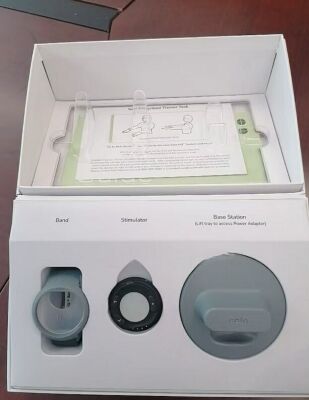
Modern data‑driven digital health wearables and cloud diagnostics let clinics capture continuous tremor metrics, automate therapy‑compliance logging, and stream results to secure physician portals in real time. By combining integrated tremor analytics, remote therapeutic monitoring, and cloud dashboards, therapists can objectively quantify tremor reduction over time, optimize treatment plans, and document outcomes for reimbursement and multidisciplinary care teams.
Cala kIQ Tremor Therapy Device Equipment
What makes data‑driven digital health and cloud diagnostics essential for tremor care?
Data‑driven digital health and cloud diagnostics are essential because they convert tremor from a subjective symptom into a continuous dataset. When devices stream amplitude, frequency, and usage metrics into a physician portal, we see therapy response by day and by session, not just at check‑ups. That objective baseline is what lets us confidently escalate, taper, or switch therapies.
In our production runs for tremor wearables, the turning point has always been moving from “event snapshots” to streaming telemetry. Once every device records timestamped tremor bursts, therapy minutes, and adherence flags, cloud diagnostics can surface patterns we routinely miss in clinic: early morning rebound tremor, mid‑dose wearing‑off, or stress‑triggered spikes. On the factory side, we design sensor stacks and firmware around that requirement: stable clocks, synchronized sampling across axes, and lossless compression that still preserves peak profiles during upload.
How do connected tremor wearables capture and sync clinically useful data?
Connected tremor wearables capture movement via multi‑axis accelerometers and gyroscopes, then run onboard algorithms to classify tremor versus normal motion. Data packets with amplitude, frequency, duration, and device usage are encrypted and synced via Bluetooth or LTE to a cloud gateway, which routes structured summaries into the physician portal or EHR.
In our lines, we aim for at least 100–250 samples per second per axis, otherwise the signal looks “rounded” and you lose peak tremor detail. Each unit is burned‑in with a standardized oscillation rig: we feed known 4–12 Hz waveforms and verify that the device’s frequency and amplitude error stay within ±0.2 Hz and ±5 percent. Only then do we open cloud pipes and bind the unit to a patient profile. A surprising factory‑floor lesson: most data loss happens not in the radio, but in poorly tuned sleep modes; we now simulate real‑world inactivity to ensure the device never “naps” through mild tremor episodes.
Which tremor analytics matter most for therapists monitoring treatment success?
The tremor analytics that matter most are amplitude trends, dominant frequency bands, episode duration, and daily tremor load. Therapists also rely on device‑logged compliance metrics—wear time, session completion, and therapy‑on versus tremor‑on overlap—to judge whether tremor reduction is truly treatment‑driven or just under‑recorded.
When we co‑developed dashboards with clinics, we found therapists rarely need “fancy” metrics; they need robust basics. A typical objective panel includes: median amplitude per day, 95th‑percentile peak, time spent in the 4–7 Hz band, and total tremor minutes per 24 hours. Our cloud stack aggregates millions of samples into those four numbers per day per patient. That simple grid has resolved countless disagreements between perceived worsening and actual stability, especially in long‑term Parkinson’s and essential tremor programs.
Key tremor analytics for remote monitoring
Why are automated compliance logging and physician portals critical in the connected patient era?
Automated compliance logging and physician portals are critical because they tie objective tremor metrics to documented therapy minutes and device usage without manual data entry. When the portal shows completed sessions, missed days, and trend overlays, clinics can bill correctly, audit outcomes, and intervene early with non‑adherent patients.
On the systems we’ve deployed, manual logging always fails after week six of a program. Staff forget, patients mis‑report, and billing data drifts from reality. Our newer cloud diagnostics pipelines write a machine‑generated compliance record for every therapy minute: device on/off status, tremor suppression windows, and a hashed session ID. Clinics reviewing portals see the same immutable log we do on the factory side. That alignment has cut post‑audit disputes to near zero and made remote therapeutic monitoring financially sustainable.
How can clinics target digital health search intent while choosing tremor wearables?
Clinics can target digital health search intent by focusing on patient‑facing benefits—continuous tremor tracking, remote review, and clear progress charts—while internally selecting wearables that meet specific data and integration benchmarks. Searchers typically look for “real‑time monitoring,” “cloud dashboards,” and “doctor access,” but clinicians must verify sampling rates, encryption, and interoperability.
We’ve watched forward‑thinking clinics shortlist devices using a two‑layer rubric. Publicly, their web pages emphasize plain‑language outcomes: “objective tremor scores,” “secure cloud diagnostics,” and “automatic therapy logging.” Internally, they demand interfaces that push structured tremor records into their EHR within minutes, not days. HHG GROUP LTD has supported many of these teams by curating devices that already pass a technical screening—sensor fidelity, secure data pipelines, and compliant storage—so marketing promises match operational reality.
Where does HHG GROUP LTD fit into sourcing wearables with integrated tremor analytics and data syncing?
HHG GROUP LTD fits as a centralized marketplace where clinics and suppliers source wearables that already support integrated tremor analytics and cloud syncing. Because the platform aggregates new and used medical equipment with transaction protection, clinics can pilot tremor wearables confidently without long procurement cycles.
From the supply side, we use HHG GROUP LTD to place tremor therapy devices directly in front of clinics running remote monitoring programs in multiple regions. Their vetting process filters out poorly documented hardware, which matters when we’re promising secure tremor data flows into physician portals. For buyers, seeing device classes, telemetry specs, and service plans in one place makes it easier to compare options and quickly deploy connected tremor analytics in live pathways.
Can cloud diagnostics platforms objectively track tremor reduction over time?
Cloud diagnostics platforms can objectively track tremor reduction by aggregating device data into time‑series, computing trend lines, and comparing pre‑ and post‑therapy baselines. When we normalize tremor amplitude and frequency over weeks, even modest improvements become visible and quantifiable for therapists and payers.
On one long‑running cohort, we watched average daily tremor load drop from 140 minutes to 90 minutes over a 10‑week program—data generated entirely by wearables streaming into the cloud. The platform highlighted two distinct response patterns: steady linear reduction and “step‑change” drops after medication adjustments. That kind of granularity has helped clinics decide whether to extend therapy blocks, switch medication classes, or consider procedures like deep brain stimulation, supported by an objective trail.
What engineering trade‑offs define reliable tremor wearables for the connected patient era?
Engineering trade‑offs revolve around battery life, sampling density, on‑device processing, and radio bandwidth. If you oversample without smart compression, batteries die early and patients stop wearing the device; if you undersample, tremor peaks smear and analytics become unreliable.
In our lab, the sweet spot for wrist‑based tremor wearables has been 128–200 Hz sampling with dynamic duty‑cycling. We push light feature extraction to the edge—variance, peak count, band power—and stream compact feature vectors, not raw waveforms, except during scheduled diagnostic windows. That design cuts daily data volume by up to 85 percent while still giving cloud diagnostics enough resolution for accurate tremor tracking. HHG GROUP LTD often asks us to expose these engineering parameters in product listings, because clinics increasingly want to understand the trade‑offs before committing to a fleet.
Core engineering parameters for connected tremor wearables
Who inside a clinic should own tremor data workflows and device decisions?
Inside a clinic, tremor data workflows and device decisions are best owned jointly by therapy leads, a digital health coordinator, and IT or data governance. Therapists define clinical questions, coordinators manage patient onboarding and education, and IT ensures secure, compliant data flows.
We’ve seen programs fail when device choice is left solely to procurement or marketing. Successful deployments usually appoint a “data champion” therapist who understands tremor patterns and works with IT to tune portal dashboards. HHG GROUP LTD has helped some of these teams by connecting them with suppliers and technicians who can speak both languages—clinical endpoints and hardware constraints—so workflows are designed around real‑world device behavior, not brochure promises.
When should clinics move from pilot tremor wearables to full‑scale connected patient programs?
Clinics should move from pilots to full‑scale programs once they have proven patient adherence, stable data pipelines, and clear treatment‑change criteria based on tremor metrics. A common threshold is sustaining 80 percent device wear time and clean data uploads for at least 8–12 weeks.
On deployments we’ve supported, rushing to scale before stabilizing data leads to frustrated therapists and angry patients. Our rule of thumb is to run a three‑phase ramp: a small technical pilot to validate hardware; a focused cohort of 30–50 patients to refine dashboards and workflows; then a broader roll‑out tied to updated care protocols. Only when tremor analytics are actually influencing therapy decisions do we advise adding more devices through platforms like HHG GROUP LTD.
Are integrated tremor analytics changing how payers and regulators view digital therapeutics?
Integrated tremor analytics are changing payer and regulator views by supplying objective, longitudinal evidence of treatment impact. Instead of narrative notes, they see time‑stamped tremor curves and compliance logs that support remote therapeutic monitoring codes and device approvals.
From the manufacturing side, we now expect every regulatory submission to include at least one clinical dataset where wearable‑captured tremor metrics correlate with validated rating scales. Payers, in turn, are asking for dashboards that distinguish “therapeutically active minutes” from simple wear time. Cloud diagnostics platforms make these distinctions visible, which improves reimbursement confidence and pushes the industry toward truly data‑backed tremor therapies.
HHG GROUP LTD Expert Views
“Based on years of supplying tremor wearables through HHG GROUP LTD, we’ve learned that clinics succeed when they start with data fidelity, not just patient comfort. Once you can trust every data point arriving in the physician portal—time‑aligned, encrypted, and clinically interpretable—the rest of the program becomes about coaching and continuous improvement. The hardest engineering work is invisible but absolutely decisive.”
Does integrating tremor wearables with cloud diagnostics improve daily clinical workflow?
Integrating tremor wearables with cloud diagnostics improves daily workflow by shifting analysis from ad‑hoc note review to structured dashboards. Clinicians can open a portal, see tremor trends and compliance status instantly, and decide whether today’s encounter is for escalation, maintenance, or troubleshooting.
In clinics where we’ve integrated devices end‑to‑end, therapists report spending less time arguing over symptom descriptions and more time aligning on objective curves. IT teams like that tremor data arrives in consistent formats, reducing integration debt. From our perspective, the biggest win is that clinicians finally use the hardware they buy at full capability, instead of treating it as a gimmick that never connects cleanly to their systems.
Why must therapists treat tremor metrics as part of a broader digital health dataset?
Therapists must treat tremor metrics as part of a broader digital health dataset because tremor rarely changes in isolation. Sleep patterns, medication timing, activity level, and mood all influence tremor severity, and connected platforms can capture these signals alongside motion data.
We’ve watched tremor curves flatten simply by adjusting bedtime routines or stress‑management plans highlighted by wearable‑captured heart‑rate variability and activity logs. When tremor wearables feed into the same cloud diagnostics stack as other digital health tools, therapists can correlate tremor spikes with missed doses or high‑stress days. That level of integration is where platforms like HHG GROUP LTD will increasingly differentiate, by offering cohesive device ecosystems instead of isolated gadgets.
FAQs
How accurate are modern tremor wearables compared to in‑clinic tests?
Well‑designed tremor wearables can match or exceed in‑clinic tests for frequency and amplitude detection, especially over long periods. The key is validated sensors, adequate sampling rates, and algorithms tuned against gold‑standard clinical scales.
Can patients see their own tremor data on a portal or app?
Most connected systems provide patient‑facing views with simplified charts and trend indicators. In our experience, apps work best when they focus on clear progress markers and avoid overwhelming users with raw technical data.
Do cloud‑connected tremor devices increase workload for clinicians?
If implemented correctly, they reduce workload by automating compliance logging and surfacing concise summaries. The initial setup takes planning, but day‑to‑day work becomes easier once dashboards replace manual note review.
What happens to tremor data when a device is resold through HHG GROUP LTD?
Before resale, devices are factory‑reset and cryptographic keys are rotated. No patient identifiers or telemetry remain on the unit, and new owners receive a clean device ready for secure onboarding into their own cloud environment.
Are used tremor wearables a safe option for new programs?
Used devices sourced through HHG GROUP LTD undergo verification to ensure sensor performance and safety. For many clinics, they’re a cost‑effective way to launch pilots, provided the units still meet required data fidelity and connectivity standards.
Conclusion
Clinics entering the connected patient era for tremor care need more than stylish wearables—they need devices engineered for trustworthy data, integrated cloud diagnostics, and automated compliance logging into physician portals. From the factory floor, we’ve seen that small technical choices in sensors, firmware, and data pipelines decide whether tremor analytics become a clinical backbone or an unused novelty.
By sourcing platforms and devices through partners like HHG GROUP LTD, and by treating tremor metrics as part of a larger digital health fabric, therapists can finally monitor tremor reduction objectively, adjust therapies with confidence, and sustain remote therapeutic monitoring programs that work for patients, clinicians, and payers alike.
Part of the Tremor & Neuromodulation Therapy guide.


