
Where Can You Safely and Reliably Purchase High-Quality Surgical Instruments Online for Your Medical Practice?
Buy surgical instruments online by verifying four things before you pay: the supplier's identity and licence, the instrument's material and standard, the documentation that travels with it — sterilisation validation, certification, traceability — and…

Buy surgical instruments online by verifying four things before you pay: the supplier’s identity and licence, the instrument’s material and standard, the documentation that travels with it — sterilisation validation, certification, traceability — and the payment path, which should hold your money until the instruments arrive and are accepted. The reason is not paranoia. The global surgical instrument market passed USD 21 billion in 2024 and is growing at over 8% a year toward 2030, and against that growth a 2023 World Health Organization report cited in this market found that nearly 10% of medical devices circulating in developing markets are falsified or substandard. Verification is the product; the catalogue is the convenience.
Last updated:
What are you actually buying?
Three classes of instrument, one material question and one standards question.
The classes are reusable hand instruments (scalpels, forceps, scissors, retractors), laparoscopic and endoscopic instruments, and components for robotic or powered systems. Each has a different failure mode: hand instruments wear at the joint and lose alignment, laparoscopic instruments add a shaft and a seal that must be sterile and free of leaks, and powered components depend on software and service support rather than on steel.
The material question is medical-grade stainless steel and its corrosion resistance, because an instrument that pits after a few autoclave cycles is not a cheaper instrument — it is a consumable that was sold as a capital item. The standards question is the manufacturer’s quality system, which is where ISO 13485 and the applicable FDA or UK/EU requirements come in. A supplier who cannot name the standard the instrument was made under has answered the question.
Why does online procurement go wrong?
Four failure modes, and each has a cost attached.
- Counterfeit and substandard product. The WHO figure above is the scale of it; the consequence is a patient-safety event, not just a return.
- Opaque pricing. Where there is no comparable listing data, markups in this market are quoted at up to 30% — paid by the clinic that only asked one distributor.
- Logistics without tracking. Manual purchase orders and unverified carriers stretch lead times, and a delayed instrument set delays a list.
- Documentation that stops at the invoice. Without certification and sterilisation records, the buyer cannot evidence what was used, which matters in an audit or an incident review.
How do you verify a supplier and an instrument?
Five checks, and the regulator’s own database settles the fourth.
- The supplier’s licence and quality system. Ask which standard the manufacturer is certified to, and for the certificate rather than the claim.
- Proof of origin where origin is the selling point. For instruments marketed as German or Japanese, ask for the manufacturing documentation and check the engraving and markings on the instrument against it.
- Material and finish specification, including the grade of stainless steel and the corrosion-resistance claim, on the paperwork rather than in the listing text.
- Regulatory identity. The FDA’s unique device identification system means “the label of most devices will include a unique device identifier (UDI) in human- and machine-readable form”, and AccessGUDID publishes device identification together with “premarket submission numbers” — so a specific instrument, not just a catalogue number, can be checked.
- Sterilisation and packaging records for anything supplied sterile, including the method and the validation, because sterility is a claim that has to be documented.
For equipment rather than instruments, the same logic runs through the FDA’s guidance on remanufacturing and servicing, which exists because the line between “servicing” and “remanufacturing” has been unclear and remanufacturing “has implications for the regulatory responsibilities of entities performing these activities”. In Great Britain the equivalent framework is the Medical Devices Regulations 2002, published by the MHRA.
What changes when you buy through a platform?
Five differences, and the honest reading of each.
| Feature | Traditional procurement | Online marketplace |
|---|---|---|
| Supplier transparency | Limited; relationships carry the trust | Verified suppliers with compliance review |
| Pricing | Hidden markups, single quote | Comparable listings across suppliers |
| Quality verification | Manual documentation | Digital certificates and traceability |
| Payment security | Direct bank transfer | Escrow released on delivery |
| After-sales | Varies by distributor | Documented returns, warranty and dispute route |
The last row is the one to test before you buy. Escrow and certification are standard features now; what varies is what happens when an instrument arrives out of specification, and the answer is in the platform’s written returns policy rather than in its homepage.
What should a clinic check when instruments arrive?
Five steps, and the fifth is the one that gets skipped.
- Inspect the packaging and the sterility indicator before the box is opened into a clinical area.
- Check the markings against the documentation: model, material mark, and any origin engraving.
- Function-test the instrument — open and close the joint, check alignment and check the ratchet or lock.
- Compare the delivery against the order, including the accessory items that are easy to omit from a kit.
- Quarantine anything that fails and record the batch reference and a photograph before contacting the supplier; that record is what supports the claim.
Sterility also has a downstream requirement: instruments that are re-sterilised in-house depend on a validated cycle, and the validation side of that is covered in the site’s guide to sterilisation and autoclave validation.
What does it cost beyond the purchase price?
Three lines, and the second is usually the largest.
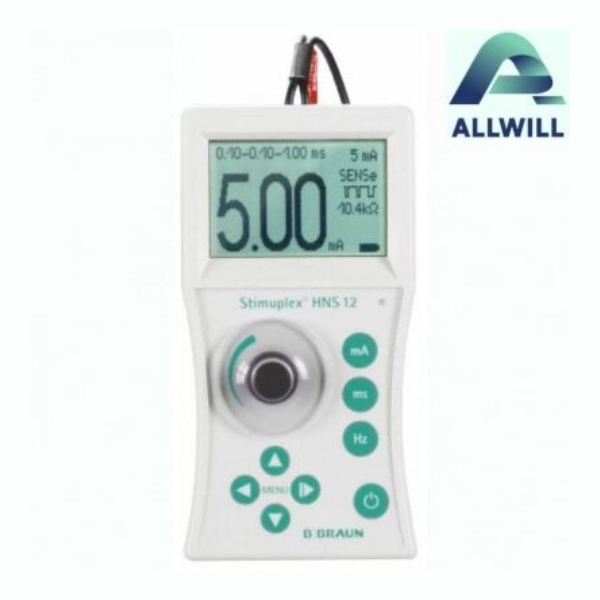
The first is the price itself, and the catalogue shows what the range looks like: a B Braun Certofix nerve stimulator at $1,582, an Intuitive enhanced vision probe instrument at $3,646 and a Microline instrument set at $11,500. The second line is replacement: where a clinic moves from unverified to certified sources, the reported effect is a reduction in the instrument replacement rate of around 60% — that figure comes from a clinic case in this market and is worth measuring against your own usage rather than assuming. The third is the cost of a failed or delayed delivery, which is clinical time rather than money.
Set against those lines, the 30% markup that a single-quote purchase pays is often the largest avoidable cost in the whole exercise.
Which channel fits which purchase?
Four buying situations, and they are not the same transaction.
- Bulk and wholesale. Tiered pricing, minimum order quantities and consistent inventory matter more than the unit price; confirm the manufacturing standard and the material grade as well as the discount.
- Custom or procedure-specific kits. Configured by procedure and surgeon preference; confirm the packing standard, sterilisation option and turnaround time in writing.
- Specialist single instruments. The purchase where verification matters most, because there is no volume to spread a counterfeit risk across.
- Sterile, ready-to-use instruments. Fastest to deploy, and the channel where the sterilisation documentation and the seal are the whole product.
What a marketplace cannot do for you
Three limits worth stating plainly. It cannot validate the sterility of a product after it leaves the supplier; that is the receiving clinic’s responsibility. It cannot decide whether a specific instrument is right for a specific procedure. And it cannot transfer the regulatory obligation that sits with the buyer in the destination market — the MHRA framework in Great Britain, for example, applies to whoever places the device into service.
References
- FDA: Unique Device Identification System (UDI) — UDI labels, AccessGUDID and premarket submission numbers.
- FDA: Remanufacturing of Medical Devices (guidance, May 2024) — servicing versus remanufacturing and its regulatory consequences.
- GOV.UK / MHRA: Regulating medical devices in the UK — the Medical Devices Regulations 2002 for Great Britain.
FAQ
Where can you buy high-quality surgical instruments online from verified suppliers?
From platforms that verify supplier licences and certifications, publish the quality standard the instrument was made under, and hold payment until delivery is confirmed. Ask for the certification and sterilisation documentation rather than the listing description, and check the specific instrument against the FDA’s AccessGUDID database where a UDI applies.
How can you purchase FDA-compliant surgical instruments online for your practice?
Look for suppliers that display their registration and compliance documentation, confirm traceability and sterilisation validation, and state the warranty. Compliance is established by documents you can check, and the buyer remains responsible for the instrument once it is placed into service in the destination market.
Where can hospitals order wholesale surgical instruments in bulk?
From wholesale suppliers that offer tiered pricing and consistent inventory, and that will also state the manufacturing standard, the material grade and the logistics arrangement. Compare minimum order quantities and lead times alongside the discount, because a cheaper instrument set that arrives late has not saved anything.
Where can small clinics find affordable high-quality surgical instruments?
Small clinics get the best value from certified suppliers with transparent pricing, buying in the volumes that suit them rather than at a wholesale minimum. Certified pre-owned instruments, bulk purchasing on the lines used most often, and clear warranty terms all reduce cost without trading away the documentation that protects the clinic.
How do you verify instruments marketed as German made?
Ask for the manufacturing documentation, check the certification that applies to the destination market, and compare the engraving and quality markings on the instrument against the paperwork. Origin is a documentation claim, which is exactly why it is the claim counterfeiters reproduce last and worst.
Buy on documentation, not on the photograph. The marketplace behind this guide connects clinics with verified suppliers and holds payment until the instruments are delivered.
Part of the Laparoscopy & Endoscopy guide.
Related articles
Remote Monitoring of Medical Equipment: What You Can and Cannot SeeKnowledgeHL7 and Device Integration When Buying Used Equipment: Compatibility Before PriceKnowledge Transferring Medical Software Licences: What Moves With the HardwareKnowledge
 Isolating Legacy Medical Devices on a Network: Compensating Controls That Hold UpKnowledge
