
Transferring Medical Software Licences: What Moves With the Hardware
A medical software licence transfer is separate from the hardware sale. Here is what transfers, what needs vendor consent and what can erase a cheap deal.
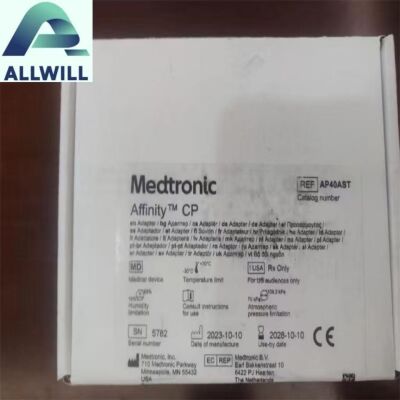
A used device can be cheap because the software licence does not come with it. The hardware may be in perfect condition, but the operating software, the optional modules or the connectivity licence may be tied to the original owner, the original serial number or a subscription that cannot be assigned. The licence is a separate asset, and it has to be transferred deliberately.
The Licence Is a Separate Asset
The licence is a separate asset because it grants rights that the hardware sale does not automatically convey. The seller may own the device but not have the right to transfer the software, or may have a licence that terminates on resale.
Software is often licensed, not sold. The licence agreement defines who may use it, on which device, for which purpose and for how long. A bill of sale for the hardware does not override those terms unless the licence permits assignment.
The buyer should ask whether the software is necessary for the device to function or only for optional features. A device that runs without the software is a different risk from one that is bricked without it. The buyer should treat the licence as part of the due diligence, alongside title and condition. A device without a valid licence may be unusable, unupdatable or non-compliant with the manufacturer\’s support terms, even if it powers on. The regulatory context varies by market, from FDA rules and the EU Medical Device Regulation 2017/745 to MHRA, TGA and PMDA requirements, while WHO guidance frames the shared principles; a licence is a commercial right, not a regulatory approval.
Perpetual, Subscription and Site Licences
Perpetual licences grant rights without a time limit, subject to the agreement. Subscription licences run for a term and may stop on resale. Site licences cover a location rather than a device, and named-user licences follow the user.
The type determines what can move. A perpetual licence may be assignable with vendor consent; a subscription may require a new contract; a site licence may not transfer to a different hospital; a named-user licence may not transfer to a new owner at all. An OEM or embedded licence may be tied to the hardware and transfer with it, but the terms should be checked. The buyer should also check whether the licence is tied to a version or a module. A base licence may not include the optional module that makes the device useful, and a version upgrade may require a new licence rather than a simple update.
| Licence type | What it covers | Transfer question |
|---|---|---|
| Perpetual | Use rights without a term | Does the agreement permit assignment? |
| Subscription | Use for a defined period | Does the term survive a change of owner? |
| Site licence | Use at a location | Can it move to the buyer\’s site? |
| Named-user | Use by identified individuals | Can the named users be replaced? |
| OEM or embedded | Software supplied with the device | Is it tied to the hardware or the original buyer? |
Transfer Clauses and Consent Requirements
The transfer clause decides whether the licence can move and what the vendor must approve. Some agreements allow assignment with notice; others require written consent, a fee or a new contract.
The buyer should read the clause before the purchase, not after. A seller\’s assurance that \”the licence comes with it\” is not a substitute for the vendor\’s consent. Where consent is required, the request should be made early, because the vendor may take weeks to review and may refuse. The buyer should also check whether the consent applies to the specific device, site and software version. The consent request should describe the transaction, the buyer, the site and the intended use. A vendor may consent to a transfer to a hospital but not to a reseller, and it may impose conditions on support or training.
Transfer Fees and Re-Registration
Transfer fees and re-registration costs can change the economics of a used purchase. The vendor may charge an assignment fee, a re-registration fee, a reactivation fee or an upgrade fee to bring the unit onto a supported release.
The buyer should ask for a written quote before committing. The fee may depend on the licence type, the number of seats, the site or the software version. A device that looks inexpensive may become more expensive than a new unit once the licence, re-registration and upgrade costs are included.
The buyer should also confirm who pays the fee and whether it is refundable if the transfer is refused. A fee paid before consent is a risk, not a reservation. The fee quote should distinguish a one-time transfer fee from an annual support fee. A transfer that is cheap but leaves the buyer without support may be more expensive over the life of the unit. The buyer should also ask whether the vendor will support the transferred licence directly or only through the seller.
Dongles, Keys and Account Binding
Licences may be enforced through a hardware dongle, a software key, a serial-number binding or a cloud account. The transfer must include the physical or logical key, and the account must be moved or re-created.
A dongle that is lost, retained by the seller or registered to the original owner can block the transfer. A software key that is tied to the original serial number may need vendor reissue. A cloud account may hold the entitlement, the configuration and the data, and the buyer needs a controlled handover.
The buyer should confirm what the licence is bound to and what evidence proves the binding before payment. A photograph of a dongle is not the dongle. A dongle handover should be recorded with the serial number and the date. A missing dongle can cost more than the hardware discount, and a replacement may take weeks.
What Happens on Resale Without Consent
A resale without consent can terminate the licence, leave the software unusable or expose the buyer to an audit claim. The seller may also breach its agreement, and the buyer may have no direct relationship with the vendor.
The practical consequence is that the buyer may have to purchase a new licence, pay a penalty or replace the software. In some cases the vendor may refuse support for the device until the licence position is regularized. The risk is higher when the software is central to the device\’s function rather than an optional module.
The buyer should not assume that possession of the device implies a licence. The vendor\’s records, not the seller\’s invoice, determine the entitlement. The buyer should also check whether the seller has other devices under the same licence. A site or enterprise licence may cover several units, and transferring one unit may affect the seller\’s remaining entitlement or require the vendor to split the licence.
Verification Before Purchase
Verification should include the licence agreement, the entitlement record, the vendor\’s confirmation, the key or dongle and the software version. The buyer should confirm that the licence covers the device, the site and the intended use.
The vendor confirmation should be in writing and should identify the device, the licence, the permitted transfer and any fee. Where the vendor will not confirm, the buyer should treat the licence as unavailable and price the replacement into the deal. The verification should include the vendor\’s account record, not only the seller\’s certificate. A certificate can be outdated or forged; the vendor\’s record is the authoritative source.
| Licence record | What it proves | What its absence leaves open |
|---|---|---|
| Licence agreement | The rights, term and transfer clause | Whether the licence can move |
| Entitlement record | What the vendor recognizes as licensed | Whether the software is authorized |
| Vendor consent | That the transfer is approved | Whether the buyer can use the software |
| Fee quote and receipt | The cost of transfer or re-registration | Whether the total cost is known |
| Key, dongle or account handover | The practical means of access | Whether the buyer can operate the system |
| Version and upgrade record | The software state and support position | Whether the unit is current and supported |
Documenting the Transfer
The transfer should be documented in a written assignment or licence transfer agreement, with the vendor\’s consent attached. The document should identify the licence, the device, the parties, the effective date and the fee.
The handover should include the key or dongle, the account credentials through a controlled process, the version record and the vendor\’s confirmation. The buyer should update its asset register and software inventory, and the seller should retain a copy for its own records. The transfer document should also state what happens to the software data, configurations and logs. A buyer may need the configuration exported, the patient data removed and the audit logs retained according to the applicable rules. In practice, the licence file should be complete before the hardware is paid for, not assembled afterward.
The medical equipment marketplace guide covers the wider transaction sequence, and the Knowledge section has related software and contract guides. If you are buying a software-dependent unit and want the licence position reviewed, send the agreement and vendor details to the HHG team.
Questions About Licence Transfer
Can I transfer a medical software licence to a new owner?
Only if the licence agreement permits it and any required vendor consent is obtained. Some licences are assignable with notice, others require written consent or a fee, and some terminate on resale. The buyer should verify the clause and the vendor\’s records before purchase.
Does a used device include its software licence?
Not automatically. The hardware sale does not override the licence terms. The licence may be perpetual, subscription, site-based or tied to the original owner, and it may require transfer approval. The buyer should treat the licence as a separate asset to be verified.
What is a licence transfer fee?
It is a charge the vendor may impose to assign or re-register the licence to a new owner. It can include an assignment fee, a reactivation fee or an upgrade fee. The buyer should obtain a written quote and confirm who pays it before committing.
What are the four types of software licenses?
Common categories include perpetual, subscription, site and named-user licences, with OEM or embedded licences as a further variant. The categories differ in term, scope and transferability, so the agreement rather than the label determines what moves with the device.
{ \”@context\”: \”https://schema.org\”, \”@type\”: \”FAQPage\”, \”mainEntity\”: [ {\”@type\”: \”Question\”, \”name\”: \”Can I transfer a medical software licence to a new owner?\”, \”acceptedAnswer\”: {\”@type\”: \”Answer\”, \”text\”: \”Only if the licence agreement permits it and any required vendor consent is obtained. Some licences are assignable with notice, others require written consent or a fee, and some terminate on resale. The buyer should verify the clause and the vendor\’s records before purchase.\”}}, {\”@type\”: \”Question\”, \”name\”: \”Does a used device include its software licence?\”, \”acceptedAnswer\”: {\”@type\”: \”Answer\”, \”text\”: \”Not automatically. The hardware sale does not override the licence terms. The licence may be perpetual, subscription, site-based or tied to the original owner, and it may require transfer approval. The buyer should treat the licence as a separate asset to be verified.\”}}, {\”@type\”: \”Question\”, \”name\”: \”What is a licence transfer fee?\”, \”acceptedAnswer\”: {\”@type\”: \”Answer\”, \”text\”: \”It is a charge the vendor may impose to assign or re-register the licence to a new owner. It can include an assignment fee, a reactivation fee or an upgrade fee. The buyer should obtain a written quote and confirm who pays it before committing.\”}}, {\”@type\”: \”Question\”, \”name\”: \”What are the four types of software licenses?\”, \”acceptedAnswer\”: {\”@type\”: \”Answer\”, \”text\”: \”Common categories include perpetual, subscription, site and named-user licences, with OEM or embedded licences as a further variant. The categories differ in term, scope and transferability, so the agreement rather than the label determines what moves with the device.\”}} ] }
Related articles
 Remote Monitoring of Medical Equipment: What You Can and Cannot SeeKnowledgeHL7 and Device Integration When Buying Used Equipment: Compatibility Before PriceKnowledge
 Isolating Legacy Medical Devices on a Network: Compensating Controls That Hold UpKnowledgeCybersecurity Assessment for Pre-Owned Medical Devices: The Questions That MatterKnowledge
