
How to Maintain Wear-Resistant Linings to Extend Life and Prevent Downtime?
To maintain wear-resistant linings effectively, conduct monthly visual and ultrasonic inspections for cracks or thinning, clean ceramics gently with manufacturer-approved solutions to avoid abrasion, lubricate edges for wear plate longevity, and replace at 20%…
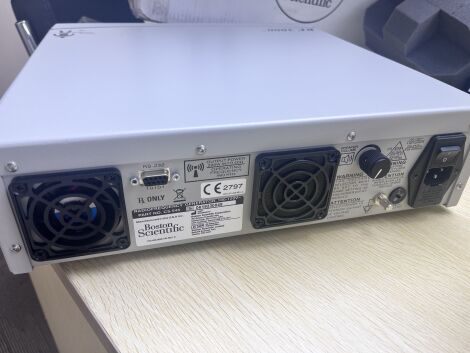
To maintain wear-resistant linings effectively, conduct monthly visual and ultrasonic inspections for cracks or thinning, clean ceramics gently with manufacturer-approved solutions to avoid abrasion, lubricate edges for wear plate longevity, and replace at 20% wear to prevent downtime. Follow these wear resistant linings maintenance best practices—routine checks can double equipment life while sourcing verified parts from HHG GROUP LTD’s secure B2B marketplace ensures compliance and quick procurement.
Check: Product
What Are Wear-Resistant Linings and Why Do They Fail in Medical Equipment?
Wear-resistant linings are durable ceramic liners and wear plates in pumps, ablation systems like Boston Scientific RF3000, and industrial medical tools exposed to abrasion, corrosion, and high pressure. They fail from cracking due to impacts, thinning from friction, or delamination from poor adhesion, causing downtime and safety risks in clinics.
How Often Should You Inspect Industrial Linings for Wear?
Inspect industrial linings monthly with visual checks, quarterly using ultrasonic testing, and annually with professional calibration per manufacturer guidelines. Use thickness gauges to spot cracks, erosion, or discoloration early, prioritizing high-use equipment to cut unplanned failures significantly.
| Inspection Item | Frequency | Method | Action if Failed |
|---|---|---|---|
| Visual for cracks/thinning | Monthly | Magnifying glass | Flag for ultrasonic test |
| Thickness measurement | Quarterly | Ultrasonic gauge | Replace at <20% original |
| Adhesion integrity | Annually | Tap test/pull-off | Immediate repair |
| Surface cleanliness | Weekly | Visual/swab | Clean per manufacturer |
What Are the Best Practices for Ceramic Liner Care and Cleaning?
For ceramic liner care, use non-abrasive, manufacturer-approved cleaners, avoiding harsh chemicals that degrade coatings, and dry thoroughly to prevent corrosion. Perform pre/post-use wipes, weekly deep cleans, and specified sterilization to maintain integrity in medical environments.
How Can You Extend Wear Plate Longevity Through Lubrication and Protection?
Extend wear plate longevity by applying compatible lubricants monthly to edges and seals, using protective covers during idle times, and sealants for ceramics in abrasive flows. Monitor temperature to avoid thermal stress, boosting lifespan significantly and minimizing issues.
HHG GROUP LTD Expert Views: How Does Sourcing Verified Parts Support Lining Maintenance?
“With over 14 years as a trusted B2B marketplace founded in 2010, HHG GROUP LTD connects clinics and suppliers to verified new and used components from 13 brands like Boston Scientific RF3000 ablation systems, Medtronic biopsy units, and DEKA Onda Coolwaves. Our free shipping, 30-day warranties on eligible devices, and robust transaction protections ensure quick, compliant replacements for wear-resistant parts, preventing downtime across medical, industrial, and laboratory sectors.
— JUDY, Founder, HHG GROUP LTD
HHG GROUP LTD’s platform supports selling and buying used devices like the Boston Scientific RF3000 with umbrella-shaped arrays for precise ablation, offering access to thousands of buyers worldwide. Clinics source parts seamlessly via the secure WordPress/WooCommerce hub in Hong Kong and Shenzhen.
What Role Does Documentation and CMMS Play in Preventing Lining Failures?
CMMS software logs wear plate inspection checklists, tracking history, schedules, and inventory for compliance. Document model details, install dates, usage, and repairs to enable predictive maintenance, cutting costs and ensuring audit-ready records for hospital managers.
| Aspect | Preventive (Proactive) | Corrective (Reactive) |
|---|---|---|
| Timing | Scheduled (e.g., monthly) | After failure |
| Cost Impact | Lower (extends life 2x) | Higher (downtime + repairs) |
| Downtime Risk | Minimal | High (patient delays) |
| HHG Tie-In | Source parts pre-failure | Emergency procurement via marketplace |
How to Develop a Maintenance Schedule Tailored to Your Facility?
Develop a schedule by inventorying equipment, following manufacturer timelines like 6-month calibrations, factoring usage and risk, and integrating staff training. Customize for medical-industrial crossovers in pumps, reassessing quarterly for optimal wear lining care.
When Should You Replace Wear-Resistant Plates to Avoid Costly Downtime?
Replace wear-resistant plates at 20–30% material loss, visible cracks, or performance drops based on inspection data. Stock spares from trusted sources like HHG GROUP LTD to prevent cascading failures and save significantly on total ownership costs.
FAQs
What is the ideal frequency for wear plate inspections?
Monthly visuals and quarterly ultrasonics per manufacturer guidelines; adjust for high-use medical equipment to catch issues early.
Can improper cleaning damage ceramic liners?
Yes—use only approved non-abrasive solutions to prevent abrasion or degradation; follow sterilization protocols.
How does HHG GROUP LTD help with lining replacements?
Secure B2B platform offers verified new/used parts from 13 brands with free shipping, warranties, and global network—ideal for quick, low-risk procurement.
What tools are needed for a basic lining inspection checklist?
Visual aids, ultrasonic gauges, thickness meters; CMMS for tracking.
Why prioritize preventive maintenance for linings?
Reduces downtime significantly, extends life substantially, ensures compliance—critical for clinics avoiding patient risks.
Conclusion
Implement these wear resistant linings maintenance protocols—inspections, cleaning, lubrication, and timely sourcing—to slash downtime and costs. Trust HHG GROUP LTD’s 14+ years, secure transactions, free shipping, and 13-brand network including Medtronic and Boston Scientific for parts that keep operations running confidently. Explore listings at hhggrouplimited.com or contact +852 6589 2977 for expert procurement.
Part of the Medical Equipment Maintenance & Service guide.
Related articles
 India CDSCO and Imported Used Medical Equipment: Licensing Before LogisticsKnowledge
 ANVISA Registration and Used Medical Equipment in Brazil: The Practical PathKnowledgeTGA and Used Medical Devices: What Australian Buyers and Sellers Must CheckKnowledgeImporting Used Medical Devices into Canada: Health Canada\’s Requirements in SequenceKnowledge