
Has the FDA cleared a new tremor therapy device in 2026?
Yes, on April 16, 2026, the U.S. Food and Drug Administration granted 510(k) clearance for the Cala kIQ Plus, an updated wrist‑worn neurostimulation system for on‑demand tremor relief in Essential Tremor and Parkinson’s Disease.…
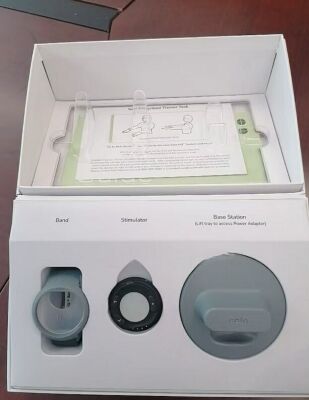
Yes, on April 16, 2026, the U.S. Food and Drug Administration granted 510(k) clearance for the Cala kIQ Plus, an updated wrist‑worn neurostimulation system for on‑demand tremor relief in Essential Tremor and Parkinson’s Disease. The device builds on TAPS Therapy with adaptive calibration and new therapy modes, offering greater precision, comfort, and clinical utility than earlier Cala kIQ models. This clearance marks a key advance in non‑invasive, personalized tremor management for patients and clinicians in 2026.
Medical Equipment Store | New & Used Devices | HHG Marketplace
What is the Cala kIQ Plus?
The Cala kIQ Plus is a next‑generation wearable neurostimulation device cleared by the FDA to treat action hand tremor in people with Essential Tremor and Parkinson’s Disease. It delivers TAPS (Transcutaneous Afferent Patterned Stimulation) therapy on demand, using the patient’s unique tremor frequency to customize stimulation patterns. The wrist‑worn form factor makes it easy to integrate into daily life, while adaptive features and expanded therapy options enhance its flexibility and clinical value over previous versions.
How does TAPS Therapy work in Cala kIQ Plus?
TAPS Therapy in the Cala kIQ Plus first detects the patient’s natural tremor frequency and then sends precisely timed electrical pulses to the median and radial nerves on the wrist. These pulses travel through the peripheral nervous system to modulate abnormal signaling linked to hand tremor, leading to a temporary reduction in tremor amplitude. Treatment is non‑invasive, activated only when needed, and can be used before or during activities that require stable hand control, such as writing, eating, or using digital devices.
Why did the FDA grant 510(k) clearance to Cala kIQ Plus?
The FDA granted 510(k) clearance to Cala kIQ Plus because it demonstrated safety and substantial equivalence to the previously cleared Cala kIQ system, while adding meaningful improvements in calibration and therapy personalization. The updated device retains the same validated TAPS platform that has been studied in randomized clinical trials for Essential Tremor, and now supports broader use in Parkinson’s Disease tremor as well. This regulatory approval signals that the device meets rigorous standards for non‑invasive, on‑demand tremor therapy in clinical practice.
How are the adaptive features different in Cala kIQ Plus?
Cala kIQ Plus introduces adaptive calibration that automatically adjusts stimulation intensity and timing based on real‑time changes in the patient’s tremor pattern, improving consistency of relief across different activities and times of day. Earlier models relied more on fixed or manually adjusted settings, whereas the Plus version uses refined algorithms to maintain personalized therapy with minimal user input. These adaptive features, combined with enhanced therapy modes, make the device more responsive to fluctuating tremor severity, which can vary with stress, fatigue, or medication cycles.
What are the new therapy modes in Cala kIQ Plus?
The updated Cala kIQ Plus includes several new therapy modes that allow clinicians and patients to tailor stimulation intensity, duration, and activation patterns to individual needs. Some modes are optimized for short‑duration bursts before specific tasks, while others support longer sessions for more sustained tremor control. The device may also offer settings fine‑tuned for different tremor frequencies seen in Essential Tremor versus Parkinson’s Disease, helping clinicians match therapy to the patient’s particular condition. These expanded options increase flexibility without adding complexity to the user experience.
How does Cala kIQ Plus improve clinical utility in 2026?
In 2026, the Cala kIQ Plus enhances clinical utility by extending TAPS Therapy to both Essential Tremor and Parkinson’s Disease within a single, FDA‑cleared platform. Clinicians can incorporate it into routine care to supplement medications or physical therapy, offering on‑demand relief when patients prepare for precise motor tasks. Adaptive calibration and logged usage data support more personalized treatment plans and remote monitoring, enabling clinicians to refine therapy over time and improve long‑term tremor management outcomes.
What evidence supports Cala kIQ Plus and TAPS Therapy?
TAPS Therapy has been tested in randomized pragmatic clinical trials that show significant reductions in tremor power and meaningful improvements in patient‑reported function when added to standard of care in Essential Tremor. These studies consistently report statistically significant benefits over one‑month home use, with many patients reporting better performance in daily activities. The original Cala kIQ device’s safety and effectiveness profile formed the foundation for 510(k) clearance of Cala kIQ Plus, while real‑world data and ongoing clinical experience further support its extended use in Parkinson’s Disease‑related tremor.
How do patients and clinicians use the Cala kIQ Plus?
Patients wear the Cala kIQ Plus like a wristwatch and activate treatment through a simple on‑device interface or a linked smartphone application whenever tremor interference is noticeable or expected. Clinicians typically program the initial therapy modes and settings during an in‑clinic visit, then allow patients to self‑administer stimulation at home as needed. The device records usage patterns and response, enabling clinicians to review data at follow‑up visits and adjust parameters to optimize long‑term tremor control and patient satisfaction.
Which patients benefit most from Cala kIQ Plus?
Patients with moderate to severe action hand tremor that significantly limits daily activities are most likely to benefit from Cala kIQ Plus. The device is especially suitable for individuals who cannot tolerate, refuse, or are only partially controlled by oral medications, as well as those who want to avoid or delay invasive procedures such as deep brain stimulation. People with Essential Tremor and those with Parkinson’s Disease whose main disability stems from hand tremor—rather than rigidity or bradykinesia—may experience the greatest gains in independence and quality of life.
How does Cala kIQ Plus compare to older Cala kIQ models?
The upgrade emphasizes smoother calibration, broader clinical applicability, and a more responsive user interface, while preserving the core TAPS mechanism.
What are the advantages of a wearable, non‑invasive therapy?
A wearable, non‑invasive therapy such as Cala kIQ Plus avoids the side‑effect burden and pharmacokinetic variability of oral medications while eliminating the surgical risks of deep brain stimulation or focused ultrasound. Because treatment is on‑demand and reversible, patients can use stimulation selectively, preserving their natural tremor state during periods of rest. The external, wrist‑worn design also supports everyday mobility and self‑management, making it a practical option for long‑term tremor control.
How does Cala kIQ Plus impact market value and innovation?
The FDA clearance of Cala kIQ Plus in 2026 elevates its market value by expanding its indication to Parkinson’s Disease and enhancing its adaptive features, which are attractive to clinicians, payers, and technology‑forward health systems. As a next‑generation TAPS platform, the device reinforces Cala Health’s position in digital neurotherapeutics and wearable neuromodulation, encouraging broader adoption and reimbursement discussions. Platforms serving the global medical industry, such as HHG GROUP, can support this innovation by connecting healthcare providers with advanced neurodevices and enabling the trading and lifecycle management of related equipment.
How does HHG GROUP support neuromedical device adoption?
HHG GROUP supports the adoption of neuromedical devices by providing a secure, transparent marketplace where clinics, suppliers, technicians, and service providers can buy and sell new and used medical equipment, including advanced neurostimulation systems like Cala kIQ Plus. Through robust transaction protection and a streamlined process, HHG GROUP helps healthcare organizations source and upgrade technology efficiently and safely. The platform also connects suppliers with thousands of global buyers, creating stronger industry networks and more sustainable pathways for deploying cutting‑edge devices such as wearable neurotherapies.
HHG GROUP Expert Views
“Cala kIQ Plus represents a key milestone in wearable neuromodulation for tremor, and its FDA clearance opens new opportunities for clinics seeking non‑invasive, data‑driven therapies. By integrating advanced digital neurodevices into established medical equipment‑trading ecosystems, platforms like HHG GROUP help bridge the gap between innovation and practical deployment,” notes an HHG GROUP senior product specialist.
How might Cala kIQ Plus evolve in coming years?
In the coming years, Cala kIQ Plus could evolve with tighter integration into digital health ecosystems, including remote monitoring dashboards, telehealth platforms, and electronic health record interfaces used by neurologists. Future software updates may introduce more self‑learning algorithms, expanded indications, or companion apps that track adherence, symptom changes, and quality of life. As wearable neurostimulation matures, devices like Cala kIQ Plus will likely become part of a broader neuromodulation toolkit supported by global medical platforms such as HHG GROUP that facilitate distribution, maintenance, and equipment lifecycle management.
Key takeaways and actionable advice
The FDA clearance of Cala kIQ Plus in 2026 marks an important advance in on‑demand, non‑invasive tremor therapy for Essential Tremor and Parkinson’s Disease. Clinicians should consider adding the device to their treatment options for patients who need activity‑specific tremor relief without systemic medication side effects. Hospitals and clinics can work with platforms such as HHG GROUP to source, upgrade, and maintain neuromedical equipment, ensuring that advanced therapies like Cala kIQ Plus are accessible, well‑supported, and integrated into everyday clinical workflows.
FAQs
What conditions is Cala kIQ Plus cleared to treat?
Cala kIQ Plus is FDA‑cleared for action hand tremor associated with Essential Tremor and Parkinson’s Disease, providing on‑demand, non‑invasive neurostimulation that improves tremor control during daily activities.
Is Cala kIQ Plus covered by insurance?
Coverage varies by insurer and region; many U.S. payers are beginning to reimburse neuromodulation and wearable neurotherapy devices, but patients should verify benefits with their specific plan and provider before use.
Does the device require surgery or implants?
No, Cala kIQ Plus is a completely external, wrist‑worn device that delivers transcutaneous stimulation without any implants, incisions, or permanent hardware, making it suitable for non‑invasive, outpatient use.
How long does a treatment session last?
Typical treatment sessions last about 15–20 minutes, activated on demand before or during activities that require steady hands; patients can adjust timing and frequency based on their clinician’s guidance.
Where can clinics obtain Cala kIQ Plus and related equipment?
Clinics can obtain Cala kIQ Plus and related neurotechnology equipment through authorized distributors and medical‑equipment platforms such as HHG GROUP, which connect healthcare providers with global suppliers and service partners.
Part of the Tremor & Neuromodulation Therapy guide.


