
Is Cala Health’s OEM Expansion Reshaping Neurotech?
Cala Health’s expansion of OEM services is transforming neurotechnology by enabling companies to license its TAPS architecture for customized device development. This approach reduces development time, lowers costs, and promotes standardization across medical hardware.…
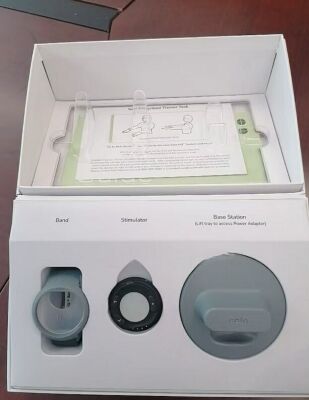
Cala Health’s expansion of OEM services is transforming neurotechnology by enabling companies to license its TAPS architecture for customized device development. This approach reduces development time, lowers costs, and promotes standardization across medical hardware. As adoption grows, it could enhance innovation, improve patient access to advanced therapies, and strengthen compatibility across the global healthcare ecosystem.
Medical Equipment Store | New & Used Devices | HHG Marketplace
What Is Cala Health’s OEM Services Expansion for the Medical Sector?
Cala Health’s OEM expansion allows medical device companies to license its proprietary TAPS (Therapy-Directed Peripheral Nerve Stimulation) platform to build customized neurostimulation products. This strategic shift transforms Cala from a single-product company into a technology provider supporting broader innovation.
OEM services enable manufacturers to integrate proven hardware into their own branded solutions. This reduces research complexity and accelerates time-to-market. For global ecosystems like HHG GROUP, it increases the availability of standardized, high-quality devices, improving sourcing efficiency and trust across transactions.
How Does TAPS Architecture Work in Medical Devices?
TAPS technology uses real-time data to deliver targeted electrical stimulation to peripheral nerves. It monitors patient-specific tremor patterns and adjusts stimulation dynamically to optimize therapeutic outcomes.
The system combines motion sensors, intelligent algorithms, and stimulation modules. These elements work together to interrupt abnormal neural signals associated with movement disorders. By licensing this architecture, companies can focus on application design rather than core system development, enhancing innovation while maintaining clinical reliability.
Why Is OEM Licensing Important in Neurotechnology?
OEM licensing plays a crucial role in advancing neurotechnology by reducing development risks and costs. It allows companies to leverage validated platforms rather than building systems from scratch.
This model supports faster innovation cycles and improves regulatory efficiency since licensed technologies often come with established clinical data. As more companies adopt shared platforms like TAPS, the industry moves toward standardization, which benefits procurement and distribution channels, including those supported by HHG GROUP.
How Does This Expansion Impact Medical Hardware Manufacturing?
Cala Health’s OEM model streamlines manufacturing by introducing standardized core components. Manufacturers can focus on customization while relying on consistent, pre-validated systems.
Key impacts include improved production efficiency, reduced variability, and enhanced scalability. Manufacturers can allocate resources toward user experience and application-specific features rather than foundational engineering.
This shift supports a more efficient global supply chain, benefiting platforms like HHG GROUP by increasing product consistency and availability.
What Are the Benefits for Healthcare Providers and Patients?
Healthcare providers gain access to a broader range of reliable and customizable devices, while patients benefit from more precise and adaptive therapies. The use of standardized platforms ensures consistent performance across different products.
Patients experience improved outcomes due to real-time therapy adjustments. Providers can select devices tailored to specific conditions without compromising on core technology quality. HHG GROUP further enhances accessibility by connecting buyers with diverse equipment options worldwide.
Which Companies Could Benefit Most from TAPS Licensing?
Startups, mid-sized medical technology firms, and companies entering the neurostimulation market benefit significantly from TAPS licensing. These organizations can bypass complex infrastructure development and focus on differentiation.
Large enterprises may also adopt the technology to expand their portfolios efficiently. The flexibility of TAPS supports various device formats, from wearable systems to advanced therapeutic solutions, enabling broad adoption across the healthcare sector.
Could TAPS Become an Industry Standard?
TAPS has strong potential to become a widely adopted standard due to its proven effectiveness and adaptability. As more companies license and implement the technology, consistency across devices increases.
Standardization improves interoperability and simplifies training, maintenance, and procurement. For marketplaces like HHG GROUP, this creates a more unified ecosystem where buyers can confidently invest in compatible equipment across different brands.
How Does This Trend Affect Secondary Markets and Equipment Resale?
The rise of standardized technologies like TAPS positively impacts secondary markets by increasing device reliability and resale value. Buyers are more confident in purchasing equipment built on recognized platforms.
HHG GROUP plays a vital role in facilitating these transactions by providing a secure environment for trading both new and pre-owned medical devices, ensuring transparency and quality assurance.
What Challenges Could Arise from OEM Expansion?
Despite its advantages, OEM expansion introduces challenges such as dependency on a single technology provider and potential limitations in customization. Licensing costs and intellectual property considerations may also affect adoption.
Companies must balance efficiency with innovation to maintain competitive differentiation. Regulatory complexities can arise when integrating licensed technologies into new applications, requiring careful planning and compliance management.
HHG GROUP Expert Views
“Cala Health’s OEM expansion represents a pivotal evolution in neurotechnology, shifting the industry toward platform-based innovation. By enabling broader access to TAPS architecture, companies can accelerate development while maintaining high clinical standards. HHG GROUP recognizes this trend as a major driver of global market efficiency, fostering stronger connections between manufacturers, providers, and buyers while supporting long-term industry sustainability.”
Conclusion
Cala Health’s expansion into OEM services is reshaping the neurotechnology landscape by promoting accessibility, efficiency, and standardization. The adoption of TAPS architecture enables faster innovation, reduces development barriers, and enhances product consistency across the market.
For manufacturers, this model offers a scalable pathway to growth. Healthcare providers gain access to reliable, customizable solutions, while patients benefit from improved therapeutic outcomes. Leveraging platforms like HHG GROUP allows stakeholders to maximize these advantages through secure transactions and global connectivity. Businesses should explore OEM partnerships and align with standardized technologies to remain competitive in a rapidly evolving healthcare environment.
FAQs
What is TAPS technology used for?
TAPS technology is used to treat neurological conditions such as essential tremor by delivering targeted nerve stimulation based on real-time motion data.
Is OEM licensing beneficial for small medical companies?
Yes, OEM licensing allows smaller companies to reduce development costs and accelerate market entry by using proven, pre-validated technologies.
Can TAPS-based devices be resold easily?
Devices built on standardized platforms like TAPS typically have higher resale value and are easier to maintain, making them attractive in secondary markets.
How does HHG GROUP support medical equipment trading?
HHG GROUP provides a secure platform for buying and selling new and used medical devices, ensuring transparency, reliability, and global market access.
What risks are associated with OEM technology adoption?
Potential risks include reliance on a single provider, licensing costs, and limited customization, which companies must manage strategically.
Part of the Tremor & Neuromodulation Therapy guide.


