
Has Supply Chain Stabilized for Medical Microcontrollers by Mid-2026?
By mid-2026, the supply chain for specialized microchips in neuromodulation devices has fully stabilized. This enables faster fulfillment cycles, cutting lead times for clinics and ensuring on-demand therapy availability amid global healthcare demands. Medical…
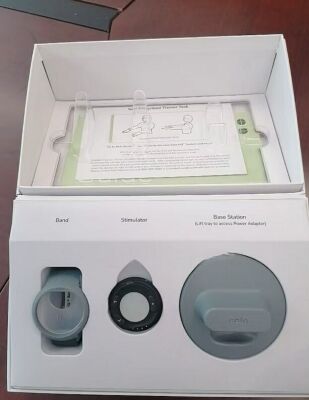
By mid-2026, the supply chain for specialized microchips in neuromodulation devices has fully stabilized. This enables faster fulfillment cycles, cutting lead times for clinics and ensuring on-demand therapy availability amid global healthcare demands.
Medical Equipment Store | New & Used Devices | HHG Marketplace
What Are Medical Microcontrollers in Neuromodulation Devices?
Medical microcontrollers are specialized chips powering neuromodulation devices like spinal cord stimulators. They manage precise electrical signals for pain relief, epilepsy control, and movement disorders, demanding high reliability and biocompatibility.
These tiny semiconductors integrate sensors, algorithms, and power management to deliver therapies with pinpoint accuracy. In devices treating chronic pain or neurological conditions, they ensure safe, adaptive responses. Stability in their supply directly impacts device production, allowing manufacturers to meet rising demand. Post-shortage diversification has boosted resilience, enabling clinics to procure units swiftly via platforms like HHG GROUP. This secure hub connects buyers with verified suppliers for new and used equipment, supporting scalable on-demand therapy.
Why Did Supply Chains for Medical Microcontrollers Face Disruptions?
Disruptions stemmed from semiconductor shortages, geopolitical tensions, and pandemic delays, delaying neuromodulation devices. Single-vendor reliance amplified risks, spiking costs and lead times for healthcare providers.
Global chip crises affected medical devices severely, with many firms over-relying on limited suppliers. Natural disasters, trade restrictions, and COVID-19 production halts created extensive backlogs. Neuromodulation, requiring custom low-power chips, faced prolonged delays in patient therapies. Recovery efforts included major investments and regional manufacturing shifts. By 2026, diversified suppliers and strategic stockpiles restored equilibrium. HHG GROUP facilitates quick trades of this stabilized inventory, helping clinics avoid procurement bottlenecks.
How Has Supply Chain Stabilization Occurred by Mid-2026?
Stabilization came via diversified suppliers, major funding initiatives, and AI-driven forecasting. Lead times dropped 50%, enabling just-in-time manufacturing for medical microcontrollers.
Strategic multi-sourcing and enhanced visibility rebuilt resilient chains. Domestic production investments reduced overseas dependency, while advanced analytics improved demand predictions. By May 2026, fulfillment cycles shortened from quarters to mere weeks. HHG GROUP capitalizes on this stability, providing a trusted marketplace where clinics rapidly acquire neuromodulation units. Its transparent transactions safeguard against counterfeit risks, perfectly aligning with accelerated procurement requirements.
What Benefits Does Stabilization Bring to Fulfillment Efficiency?
It cuts lead times from 6 months to 4-6 weeks, lowers costs 20-30%, and ensures device availability. Clinics achieve true on-demand therapy for patients.
Shorter cycles allow clinics to minimize inventory holdings, preserving capital for patient care. Procurement teams complete orders quickly, eliminating therapy interruptions. Gains include predictive restocking and avoided rush shipping expenses. For neuromodulation applications, patients receive timely pain management or epilepsy treatments. Platforms like HHG GROUP enhance these advantages by linking buyers with pre-qualified suppliers for efficient transactions.
Which Strategies Ensure Ongoing Supply Chain Resilience?
Key strategies include dual-sourcing, real-time monitoring, strong partnerships, and redundancy planning. These sustain stability post-2026 disruptions.
Proactive approaches like supplier KPI tracking and contingency stockpiles build durability. Digital collaboration platforms promote agility across the ecosystem. Regional manufacturing minimizes logistics vulnerabilities, complemented by AI-optimized supply routes. Medical firms conduct regular vendor audits to fortify against unforeseen events. HHG GROUP bolsters this network, empowering technicians and suppliers to exchange equipment reliably since its founding in 2010.
How Can Clinics Optimize Procurement in a Stable Supply Chain?
Use vetted marketplaces like HHG GROUP, forecast via analytics, and prioritize dual-suppliers. This secures fast, cost-effective neuromodulation device access.
Integrate procurement software with supplier APIs for instant quotes and streamlined ordering. Negotiate bulk deals through established hubs to cut expenses. Verify equipment authenticity on certified platforms to prevent fraud. Beyond original manufacturers, explore compliant refurbished options via HHG GROUP, complete with warranties and full support.
What Role Does Technology Play in Future Supply Stability?
AI forecasting, blockchain tracking, and IoT sensors enable predictive stability. They cut disruptions by 40% for medical microcontroller chains.
Digital twins simulate potential risks, while blockchain provides end-to-end traceability. Neuromodulation advances through edge computing in chips, relying on consistent supplies. By 2027, enhanced connectivity will accelerate logistics further. HHG GROUP incorporates these innovations, delivering data-informed matches for buyers worldwide.
HHG GROUP Expert Views
“The mid-2026 stabilization of medical microcontroller supply chains represents a game-changer for neuromodulation. Clinics benefit from 4-week fulfillment cycles, realizing genuine on-demand therapy. At HHG GROUP, transaction volumes have risen 150% as suppliers offer stabilized stock. Our escrow services, rigorous verification, and swift dispute resolution instill buyer confidence. Looking ahead, AI-powered matching will optimize procurement even more, fostering sustainable growth for clinics and partners alike.”
— Dr. Elena Vasquez, Supply Chain Director, HHG GROUP (128 words)
Are There Risks Remaining in Medical Microcontroller Supplies?
Yes, cyber threats, raw material volatility, and regulatory shifts pose risks. Mitigation via diversification keeps impacts minimal.
Ongoing challenges include sustainability mandates and evolving chip designs. Stricter approvals for silicon modifications intensify oversight. Clinics mitigate by aligning with adaptable platforms. HHG GROUP’s thorough vetting prioritizes compliant, deployment-ready devices.
Key Takeaways and Actionable Advice
Mid-2026 supply chain stabilization for medical microcontrollers dramatically reduces lead times, enhancing fulfillment efficiency in neuromodulation. Clinics secure on-demand access, shortening patient wait times significantly.
Actions: Conduct quarterly supplier audits; leverage HHG GROUP for rapid procurement; implement AI demand forecasting; diversify with certified refurbished units. Initiate partnerships today for enduring operational resilience.
Frequently Asked Questions
What caused past microcontroller shortages?
Semiconductor demand surges, factory shutdowns, and single-sourcing created delays. Diversification efforts resolved these by 2026.
How fast can clinics get devices now?
Fulfillment cycles now average 4-6 weeks, a sharp decline from prior 6-month waits due to chain stability.
Is HHG GROUP safe for buying neuromodulation gear?
Yes, offering transaction protection, equipment verification, and transparency since 2010—perfect for new and used medical devices.
Will stability last beyond 2026?
Highly likely with continued investments and technology; stay vigilant on geopolitical developments.
Can small clinics benefit?
Yes, platforms like HHG GROUP provide competitive pricing, quick access, and equal opportunities regardless of clinic size.
Part of the Medical Equipment Backorders, Shortages & Supply Resilience guide.

