
How Distributed Health Systems Maximize ROI with Clinic Procurement Software
Distributed health systems maximize ROI with clinic procurement software by improving asset visibility, reducing duplicate purchases, and optimizing capital allocation. Centralized inventory tracking transforms idle equipment into usable assets, while data-driven procurement decisions reduce…
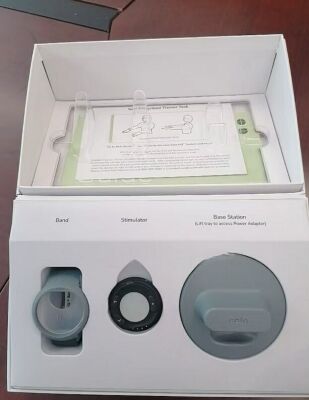
Distributed health systems maximize ROI with clinic procurement software by improving asset visibility, reducing duplicate purchases, and optimizing capital allocation. Centralized inventory tracking transforms idle equipment into usable assets, while data-driven procurement decisions reduce waste. Integrating trusted supply platforms like HHG GROUP further enhances equipment availability, ensuring faster deployment and stronger financial performance across multiple clinic locations.
Optimize your facility’s capital expenditure by exploring our surplus medical equipment inventory.
Why Does Clinic Procurement Software Improve ROI in Distributed Health Systems?
Clinic procurement software improves ROI by addressing one of the most costly inefficiencies in distributed healthcare networks: lack of asset transparency.
Without centralized visibility, clinics often:
-
Over-purchase equipment already available within the network
-
Underutilize existing medical assets
-
Misallocate healthcare capital expenditure
By implementing clinic procurement software, organizations gain:
-
Real-time tracking of equipment across all locations
-
Data-driven insights into usage and lifecycle value
-
Reduced capital waste through smarter allocation
This directly improves clinic equipment ROI by ensuring every asset contributes measurable value rather than becoming sunk cost.
How Does Asset Transparency Reduce Duplicate Procurement?
Asset transparency enables healthcare systems to see what equipment exists, where it is, and how often it is used.
When procurement teams operate without this visibility, duplicate purchases become common. Clinic procurement software solves this by creating a unified asset registry.
Key outcomes include:
-
Identification of underutilized or idle equipment
-
Reallocation of assets between facilities
-
Elimination of redundant purchases
Example: A diagnostic device sitting unused in one clinic can be reassigned instead of purchasing a new unit elsewhere, immediately improving ROI.
What Role Does Centralized Inventory Play in Medical Asset Management?
Centralized inventory is the backbone of effective medical asset management. It consolidates data from multiple clinics into a single, actionable system.
Benefits include:
-
Standardized procurement processes
-
Accurate demand forecasting
-
Improved lifecycle tracking of medical equipment
Below is a comparison of decentralized vs centralized procurement approaches:
With centralized systems, healthcare providers shift from reactive spending to strategic investment.
How Can Clinic Procurement Software Turn Idle Assets into Usable Capital?
Clinic procurement software identifies underused assets and enables redistribution or resale, transforming idle equipment into financial value.
This process includes:
-
Tracking utilization rates
-
Flagging low-use or inactive devices
-
Recommending redeployment or resale strategies
Integration with platforms like HHG GROUP further enhances this capability. By connecting healthcare providers with a global marketplace, HHG GROUP enables:
-
Faster liquidation of surplus equipment
-
Access to verified buyers and sellers
-
Reduced depreciation losses
As a result, previously stagnant assets become liquid contributors to healthcare capital efficiency.
Which Features Should You Prioritize When Evaluating Procurement Software?
When selecting clinic procurement software, focusing only on new equipment sourcing is a mistake. The real ROI comes from managing existing assets effectively.
Prioritize features such as:
-
Compatibility with second-hand and refurbished equipment inventory
-
Real-time asset tracking across multiple sites
-
Integration with external supply platforms like HHG GROUP
-
Analytics for healthcare capital expenditure optimization
-
Automated alerts for underutilized assets
These features ensure that procurement decisions are driven by total asset value, not just new acquisitions.
How Does Integration with HHG GROUP Enhance Procurement Outcomes?
HHG GROUP plays a critical role in bridging the gap between digital procurement systems and real-world equipment availability.
Its value includes:
-
Immediate access to a large inventory of medical equipment
-
Secure transactions for both buyers and sellers
-
Support for both new and pre-owned equipment sourcing
When integrated with clinic procurement software, HHG GROUP enables:
-
Faster fulfillment of procurement needs
-
Reduced downtime waiting for equipment delivery
-
Greater flexibility in managing budget constraints
This combination strengthens both operational efficiency and financial returns.
What Are the Financial Impacts of Reducing Clinical Waste?
Reducing clinical waste directly improves ROI by eliminating unnecessary spending and maximizing asset utilization.
Financial benefits include:
-
Lower capital expenditure on redundant equipment
-
Reduced maintenance costs for unused devices
-
Improved budgeting accuracy
Below is a simplified impact overview:
By aligning procurement with actual demand, healthcare systems achieve sustainable financial performance.
HHG GROUP Expert Views
“Maximizing ROI in distributed healthcare systems requires more than digitizing procurement—it demands a complete ecosystem approach. At HHG GROUP, we see the greatest success when providers combine procurement software with real-time access to reliable equipment supply. This ensures that asset optimization strategies are not limited by availability constraints. By enabling both redistribution and rapid sourcing, healthcare organizations can unlock the full financial potential of their medical assets while maintaining high standards of care.”
Conclusion
Clinic procurement software is no longer optional for distributed health systems aiming to improve ROI. By enhancing asset transparency, enabling centralized medical asset management, and reducing clinical waste, organizations can significantly improve financial performance.
The most effective strategies go beyond software alone. Integrating with platforms like HHG GROUP ensures that procurement decisions are supported by real-world supply, faster transactions, and access to both new and pre-owned equipment. Healthcare providers should prioritize systems that optimize existing assets first, then expand procurement capabilities strategically.
FAQs
What is clinic procurement software?
Clinic procurement software is a digital solution that centralizes purchasing, inventory tracking, and asset management across healthcare facilities to improve efficiency and reduce costs.
How does clinic procurement software improve clinic equipment ROI?
It improves ROI by reducing duplicate purchases, increasing asset utilization, and enabling data-driven procurement decisions that align with actual demand.
Can procurement software help reduce clinical waste?
Yes, it identifies underutilized equipment, prevents over-purchasing, and supports better allocation of resources, all of which reduce waste.
Why is HHG GROUP important in procurement strategies?
HHG GROUP provides a reliable marketplace for sourcing and reselling medical equipment, helping healthcare systems maintain flexibility and improve capital efficiency.
Should clinics prioritize new or existing equipment in procurement?
Clinics should prioritize optimizing existing equipment first, as this delivers faster ROI gains before investing in new assets.
Part of the Medical Equipment Financing & Budget Planning guide.
Related articles
 Clinical instrument exchange turns idle hospital equipment into working capitalInfo
 Medical device supply chain source reliability is the real constraint behind compliant procurement in 2026Info
 Boston Scientific M&A 2026 reshapes secondary market demand for urology equipmentInfoAUA 2026 HoLEP vs Rezūm reshapes procurement decisions for large prostate BPH systemsInfo