
US FDA Framing for Servicing and Reselling Used Medical Devices
The question that decides most US resale transactions is whether what was done to the equipment was servicing or something more. That distinction sounds like a matter of vocabulary, and it is treated that…
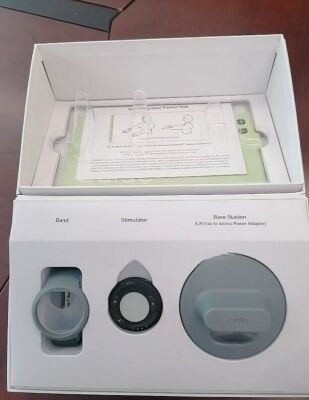
The question that decides most US resale transactions is whether what was done to the equipment was servicing or something more. That distinction sounds like a matter of vocabulary, and it is treated that way in listings all the time, but it determines which obligations attach to the party that performed the work and what the buyer is entitled to expect in the file. For a buyer assembling a documentation pack, the answer changes the value of the equipment rather than only its paperwork. This article explains what the framework covers, where the servicing boundary sits, and what to ask a seller.
What the Requirement Actually Covers
The US framework regulates devices by reference to their manufacture, marketing and continued support, and it distinguishes between the activities of servicing a device and remanufacturing one. Servicing maintains a device in its original condition and specification, while activities that change a device’s performance or safety specifications can move the party performing them into the position of the manufacturer for the resulting device.
That distinction is the practical core of the framework for a reseller. A technician who replaces a component with an equivalent part and verifies the device against its documented specification is performing one activity. A party that fits a component with different characteristics, changes software in a way that alters performance, or repurposes the device is performing another, and the obligations that follow are substantially greater. The extractable summary is this: servicing keeps a device within its original specification and preserves its documentation position, while changes that alter performance or safety specifications can place manufacturer obligations on the party making the change.
Because the framework’s treatment of these activities is published by the agency rather than by the trade, the authoritative position is the one set out in the regulator’s own guidance and in the statutory framework it administers. The servicing context and its implications for equipment management are also covered by the professional material published through AAMI, and independent equipment-safety guidance from organisations such as ECRI is a useful reference for how servicing evidence is used in a device programme.
| Activity | Effect on the device | Position of the party performing it |
|---|---|---|
| Preventive maintenance to the documented schedule | Maintains specification | Service provider |
| Repair with an equivalent component, verified afterwards | Restores documented specification | Service provider |
| Replacement with a component that changes performance | Alters the device’s specification | Potentially the manufacturer |
| Software or firmware change affecting performance | Alters behaviour beyond the documented state | Potentially the manufacturer |
| Repurposing for a different intended use | Changes the declared purpose | Potentially the manufacturer |
The commercial weight of this distinction is easy to underestimate. Equipment that has been serviced within specification retains the value of its documentation, because the file continues to describe the device accurately. Equipment whose performance characteristics have been changed requires documentation that matches the changed state, and where that documentation does not exist, the buyer is acquiring a device whose position cannot be stated. That is a valuation difference rather than a compliance formality, which is why the question is worth asking before a price is agreed rather than during a technical inspection.
Which Equipment It Applies To
The framework applies to devices offered for sale or use in the US market, and the servicing distinction applies across equipment types rather than to particular categories. What differs is the practical visibility of the work: a capital system with documented service history and a defined component architecture is easier to characterise than a handpiece or a small device that has passed through several owners without records.
Equipment categories that change hands frequently deserve particular scrutiny for that reason. Surgical generators, handpiece systems, monitors, therapy platforms and imaging components are commonly repaired and resold, and in those categories the difference between a replacement part and an alternative part is exactly the information a buyer needs. Where the equipment includes single-use items such as probes, trocars or oxygenator membranes, the buyer is responsible for confirming legality, labelling and any reprocessing status in their own market, and a change to a device does not resolve a question about a consumable.
Equipment assembled from more than one source is a further case. A unit built up from a control module from one donor device and a chassis from another can perform correctly and still describe a configuration that no manufacturer documentation covers. The question is not whether the assembly works but whether its performance and safety specifications are known, which is a documentation question with a technical answer. A buyer who accepts such a unit without a specification basis is accepting an unknown position, and the uncertainty persists through every subsequent resale.
How Verification Is Expected to Be Evidenced
Verification is a matter of records, and the record has to allow the work to be matched against the device’s documented specification. A service record that says a unit was repaired and returned to service, without identifying what was replaced and on what basis, does not allow a buyer to reach a conclusion about the device’s position.
| Evidence | What it allows a buyer to establish |
|---|---|
| Device identification and current configuration | Which device is being discussed |
| Manufacturer documentation for the configuration | The specification the work should be measured against |
| Component identification, including whether equivalent or alternative | Whether performance characteristics were preserved or changed |
| Verification results after the work | That the device was checked rather than assumed to be correct |
| Software and firmware version record | Whether the device’s behaviour changed |
| Statement of any change in intended purpose | Whether the device’s declared use is unchanged |
The practical way to read a service file is backwards. Start from the device’s current configuration, work back through each documented change to the manufacturer’s specification, and note where the chain breaks. A break does not necessarily mean the device is unacceptable, but it identifies the point at which the documentation stops describing the equipment, and that point should be resolved before purchase rather than during a later service event.
Where the Framework Differs by Market
The framework applies in one market, and equipment crossing a border moves between regimes that use different vocabulary for the same question. A transaction that is clearly servicing in one jurisdiction can be described in another as refurbishment or rebuilding, and the obligations attached to that description may differ.
Buyers operating across markets should therefore establish the substance of the work rather than the label. The counterpart framework in the European Union is described in the European Commission medical devices sector material, the national position in the UK is set out in the MHRA guidance on regulating medical devices, and the expectations that apply across markets are summarised by the WHO medical devices programme. Where a device crosses a border for work and then returns, the position on re-entry is a further question that should be settled in advance rather than at the border.
What the Record Must Contain
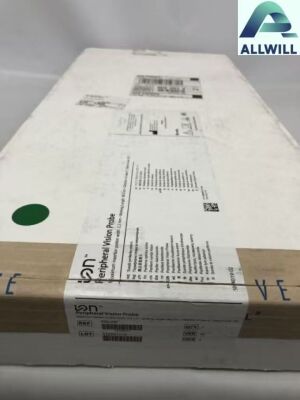
The record a buyer needs is the one that allows a stranger to answer the servicing question for the specific unit. Assembling it is not expensive at the time of the work; reconstructing it afterwards usually is impossible.
| Record element | Why it is needed |
|---|---|
| Device and work identification, with dates | Establishes when the device’s position was last changed |
| Specification the work was measured against | Provides the benchmark for the servicing question |
| Parts used, described by specification rather than supplier | Determines whether performance characteristics were preserved |
| Verification results and the method used | Shows the device was confirmed, not merely assembled |
| Software and firmware configuration record | Captures changes that are invisible in a physical inspection |
| Retention with the equipment file | Allows the position to be explained at resale or on review |
Retention is part of the technical position rather than an administrative trailing item. A service record that exists only with the provider who performed the work is unavailable at the moment it is most needed, which is when a buyer, a service engineer or a reviewer asks what the device is. Consolidating the records with the equipment file, and keeping them under an identifier that travels with the unit, is what converts a series of provider records into a device history that can be read by anybody.
Common Misreadings and Overstatements
The misconceptions below appear in listings and in negotiation, and each of them leaves the buyer holding a question they cannot answer.
- That any repair is servicing. Servicing maintains the documented specification; a repair that changes performance characteristics is a different activity with different consequences.
- That a parts list settles the question. What matters is whether the fitted part preserves the device’s performance and safety specifications, which is a specification question rather than a sourcing question.
- That a device retains its original market position indefinitely. A device that has been materially changed describes a different configuration from the one originally placed on the market.
- That a record of ”returned to service” is a verification record. It states an outcome without identifying what was tested or against which specification.
- That software is outside the analysis because the hardware is unchanged. Firmware and software changes can alter performance, and the version record is part of the device’s documented state.
It is worth noting what this framework does not require. It does not prevent equipment from being serviced outside the original manufacturer’s network, and it does not require a buyer to avoid repaired equipment. What it does is make the accuracy of the description and the completeness of the record matter, because those are the elements that determine whether the device’s position is known. Sellers who document their work thoroughly are not disadvantaged by the framework; sellers who cannot are the ones exposed.
What a Buyer Should Ask For
The useful questions are about substance, and they can be asked before the equipment is inspected. A buyer who receives clear answers can plan the verification work; a buyer who receives vague ones should price the uncertainty.
Ask what work has been performed since the device was manufactured, and whether any of it changed performance or safety specifications. Ask which parts were used and whether they were equivalent to the original specification. Ask what verification was performed after the work and against which document. Ask for the software and firmware version history. Ask whether the device’s intended purpose is unchanged. Ask who performed the work and what records that party holds. Ask what would be required to bring the device’s documentation into a complete state, and who would do it. Buyers who want the wider context can start from the knowledge hub, compare how equipment and its parts are described on the marketplace store, or use the cross-device servicing material in the industry hub. Our overview of US rules for buying and selling used medical devices covers the commercial framing of the same question.
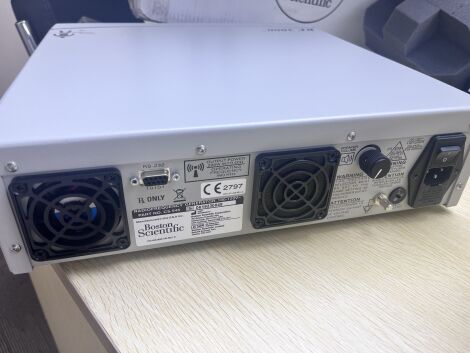
Buying or selling pre-owned systems in the US market and unsure how the work history affects the device’s position? Send the service record and the device details and we will work through what the work performed implies for documentation and verification.
FAQ
Does the FDA regulate device servicing?
The framework addresses servicing as an activity carried out on devices that are already on the market, and it distinguishes that activity from work that changes a device’s performance or safety specifications. The obligations that follow depend on which of those the work amounts to, which is why the record of what was done matters more than the label applied to it. The authoritative position is the regulator’s own published guidance.
Can a refurbished device keep its original clearance?
A clearance relates to the device configuration that was the subject of the submission, and a change that alters performance or safety specifications describes a different configuration. Whether the original documentation still covers the device is therefore a question about the work performed rather than about the age of the device. Establish what was changed, then assess whether the documentation still describes what is in front of you.
Who is the manufacturer after refurbishment?
A party that changes a device’s performance or safety specifications can take on the obligations of a manufacturer for the resulting device, which is why the servicing question has commercial consequences rather than only regulatory ones. Routine servicing that restores a device to its documented specification does not move a party into that position. Because the boundary depends on what was done, the work record is the document that determines the answer.
What are the FDA rules for buying used medical devices?
Purchasing used equipment is not prohibited, and the framework’s attention falls on the device’s position and on whether it is accurately described rather than on the fact of resale. A buyer should establish what work has been performed, whether performance or intended purpose changed, and what records exist for the specific unit. Requirements that apply to a device placed on the market continue to apply irrespective of how many times it has changed hands.
Does a reseller need to register as an establishment?
Registration obligations attach to particular activities and roles under the framework, and whether a given reseller falls within them depends on what the reseller does rather than on the fact that it sells equipment. Activities that bring a party into a regulated role, including work that changes a device’s specifications, carry obligations that a pure distributor activity does not. Because the analysis is activity-based, the question should be answered by reference to the specific operations rather than to a general description of the business.
Related articles
 India CDSCO and Imported Used Medical Equipment: Licensing Before LogisticsKnowledge
 ANVISA Registration and Used Medical Equipment in Brazil: The Practical PathKnowledgeTGA and Used Medical Devices: What Australian Buyers and Sellers Must CheckKnowledgeImporting Used Medical Devices into Canada: Health Canada\’s Requirements in SequenceKnowledge
