
How Can Clinics Serve Post-GLP-1 Rapid Weight Loss Patients?
Rapid GLP-1-assisted weight loss can leave patients with loose skin, facial deflation, cellulite visibility, and stubborn localized fat that diet alone no longer resolves. Clinics can meet this demand by creating a medically screened…
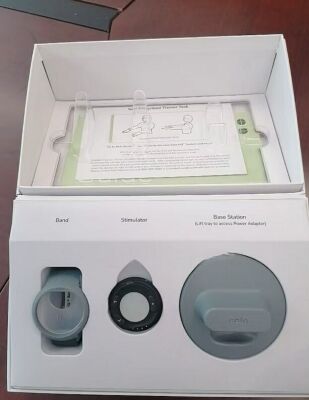
Rapid GLP-1-assisted weight loss can leave patients with loose skin, facial deflation, cellulite visibility, and stubborn localized fat that diet alone no longer resolves. Clinics can meet this demand by creating a medically screened “Phase 2” contouring pathway that combines weight-stability checks, skin-quality assessment, targeted non-invasive treatments, realistic outcomes, and clear referral criteria for surgery.
What Causes Skin Laxity After GLP-1 Weight Loss?
Post-GLP-1 skin laxity occurs when fat volume decreases faster than the skin’s collagen-elastin network and underlying muscle support can adapt. It is most visible on the abdomen, upper arms, thighs, buttocks, neck, and face, especially in patients with larger or faster total weight reduction.
The GLP-1 (Ozempic) Rapid Weight Loss Boom has changed what patients ask for after reaching a lower number on the scale. They are no longer asking only, “How do I lose weight?” They are asking, “Why does my body look different than I expected?”
In clinical practice, skin laxity is rarely caused by one factor. The visual result is typically a combination of:
-
Reduced subcutaneous fat volume that previously supported the skin.
-
Age-related decline in collagen density and elastin recoil.
-
Loss of lean muscle mass during calorie restriction.
-
Previous cycles of weight gain and weight loss.
-
Genetics, sun exposure, smoking history, menopause, and hydration status.
-
The pace and total amount of body-weight reduction.
A patient who loses 15 pounds over several months may show mild crepiness around the arms or lower face. A patient who loses 50 to 80 pounds rapidly may develop abdominal folds, arm laxity, thigh looseness, breast deflation, pronounced jowling, or a flat but uneven body contour.
Importantly, “loose skin” is not always only skin. During consultations, clinicians should separate three different concerns:
This distinction prevents a common treatment-planning error: applying fat reduction to a patient whose primary issue is excess skin. Reducing volume in the wrong candidate can make laxity appear more pronounced.
Which Areas Need the Most Attention After GLP-1 Weight Loss?
The abdomen, arms, thighs, buttocks, jawline, neck, and bra-line area are the most frequent post-GLP-1 contouring concerns. The best treatment plan depends on whether the area has residual fat, cellulite, skin laxity, volume loss, or a combination of these issues.
The abdomen often produces the most complex consultation. A patient may have a lower abdominal fat pad, loose skin above the navel, stretch marks, and rectus muscle separation at the same time. No single non-invasive device can correct all four variables.
In our experience reviewing equipment demand and provider requirements across the aesthetic market, the highest-converting consultations are those that map concerns area by area rather than selling a generic “body sculpting package.”
A useful clinical mapping process includes:
-
Photographing the patient standing, sitting, and bending slightly forward.
-
Measuring pinchable fat thickness in the planned treatment zone.
-
Recording skin recoil after manual displacement.
-
Identifying whether a fold is caused by fat, tissue laxity, or both.
-
Asking whether the patient is still actively losing weight.
-
Reviewing protein intake, resistance training, and medication status with the prescribing medical team where appropriate.
For example, a patient with 2 to 3 cm of pinchable flank tissue and mild skin looseness may be suitable for non-invasive contouring. A patient with minimal fat but a large hanging abdominal pannus is unlikely to be satisfied by energy-based tightening alone. Clear selection protects outcomes, reviews, and long-term patient trust.
When Should Patients Start Post-GLP-1 Body Contouring?
Patients can begin assessment during weight loss, but definitive contouring usually works best after weight has stabilized and nutritional status is adequate. Clinics should avoid presenting non-invasive body contouring as a substitute for ongoing obesity care or as a way to accelerate medical weight-loss results.
The timing decision should be clinical rather than calendar-based. A patient who is still losing several pounds each month has a moving treatment target. Their skin may continue to retract, residual fat may change, and future weight loss can alter the contour achieved after treatment.
For mild skin quality concerns, providers may begin supportive treatments earlier when clinically suitable. For meaningful body-shape planning, a practical checkpoint is consistent body weight across several visits, stable medication tolerance, and no active nutritional red flags.
Before treatment, clinic teams should document:
-
Starting and current weight.
-
Rate of recent weight change.
-
Target weight and whether it has been reached.
-
Protein intake and resistance-training participation.
-
History of bariatric surgery, abdominal surgery, hernia, thrombosis, or implants.
-
Medications that may affect healing, sensation, bruising, or metabolic stability.
-
Pregnancy and breastfeeding status where relevant.
The operational lesson is simple: build a “weight-stability gate” into the consultation workflow. This prevents rushed treatments, reduces avoidable dissatisfaction, and creates a credible reason for patients to return when their body composition is ready.
Who Is a Good Candidate for Onda Treatment?
A good Onda candidate typically has mild-to-moderate skin laxity, cellulite, or localized residual fat after weight stabilization, plus realistic expectations about gradual, non-surgical improvement. Patients with major hanging skin, uncontrolled medical conditions, or contraindications require a different pathway or specialist referral.
Onda uses controlled Coolwaves microwave energy in a non-invasive body-contouring workflow designed to address localized fat, cellulite, and tissue laxity. For post-GLP-1 patients, its value lies in treating the “unfinished contour” problem: the patient has achieved major weight loss but still sees resistant pockets and reduced tissue firmness.
Candidate selection should be more rigorous than a standard cosmetic consultation. The strongest candidates commonly have:
-
A stable or near-stable weight.
-
A defined focal concern rather than a request for overall weight loss.
-
Enough localized tissue to assess and treat safely.
-
Mild-to-moderate laxity rather than substantial overhanging skin.
-
Intact sensation in the treatment area.
-
A willingness to complete the prescribed treatment course and follow-up imaging.
Patients should not be promised a surgical result without surgery. Onda may be a useful option for improving contour, tissue appearance, and selected areas of residual adiposity, but it is not an alternative to abdominoplasty, brachioplasty, thigh lift, or facelift when substantial excess skin is present.
HHG GROUP LTD can help clinics and medical providers evaluate equipment options, connect with suppliers, and develop a procurement approach that fits their treatment menu rather than purchasing technology based on trend pressure alone.
Does Onda Treat Both Localized Fat and Skin Laxity?
Onda can be positioned for selected patients who need non-invasive treatment for localized fat, cellulite, and mild-to-moderate skin laxity. Its suitability depends on the patient’s tissue quality, residual fat layer, treatment area, medical history, and expectation of gradual rather than dramatic contour change.
The commercial opportunity is not simply “sell fat reduction.” Post-GLP-1 patients often present with two competing needs: they want less fullness in a resistant area, but they also do not want to look looser after volume reduction.
That requires providers to evaluate the treatment objective before choosing an applicator, energy plan, session count, or package. A patient with a soft lower abdomen and mild laxity may need a staged plan. A patient with a thin, wrinkled abdomen and nearly no residual adipose layer may need a skin-focused strategy or a surgical discussion instead.
Treatment planning must account for:
-
Area size and shape.
-
Fat thickness and fibrotic tissue characteristics.
-
Degree of skin recoil.
-
Presence of cellulite dimpling.
-
Pain tolerance and sensory feedback.
-
Prior liposuction, scars, hernia history, or implants.
-
The patient’s ongoing GLP-1 treatment and weight trajectory.
Onda should be introduced as a targeted contouring option within a wider post-weight-loss care pathway, not as a one-size-fits-all response to every concern after semaglutide or other GLP-1 therapy.
How Can Clinics Build a Post-GLP-1 Phase 2 Program?
Clinics can build a Phase 2 program by screening patients early, segmenting concerns by tissue type, offering staged treatment plans, tracking outcomes with consistent photography, and creating referral routes for nutrition, fitness, dermatology, and plastic surgery when needed.
The most effective patient journey begins before the patient becomes frustrated with loose skin. Weight-loss clinics can add a simple question to monthly GLP-1 follow-ups: “Are you noticing changes in skin firmness, facial volume, cellulite, or areas that remain resistant despite weight loss?”
This identifies demand while patients are still engaged.
A practical Phase 2 service model has five steps:
-
Screen: Identify rapid loss, unstable weight, nutritional risk, and medical contraindications.
-
Assess: Classify the concern as laxity, cellulite, residual fat, volume loss, major skin redundancy, or mixed tissue change.
-
Plan: Recommend either observation, non-invasive treatment, injectable or skin-quality support, surgery referral, or a combined plan.
-
Treat and measure: Use standardized lighting, patient positioning, circumference measurement, and repeat photography.
-
Maintain: Build follow-ups around weight maintenance, muscle preservation, hydration, skincare, and future treatment eligibility.
The front-desk script also matters. Avoid language such as “fix your Ozempic body.” Instead, use respectful phrasing: “We offer post-weight-loss contour assessments for patients concerned about skin quality, localized fullness, and body-shape changes.”
This protects the patient experience while positioning the clinic as a long-term care partner.
What Workflow Reduces Treatment and Purchasing Mistakes?
A disciplined workflow reduces poor candidate selection, inconsistent results, underused equipment, and avoidable patient complaints. Clinics should forecast demand by consultation type, verify device support and service capacity, and standardize treatment documentation before launching a post-GLP-1 contouring offer.
A frequent business mistake is purchasing a device because demand for GLP-1-related treatments looks large on social media. The better question is whether the clinic has the patient volume, trained operators, clinical protocols, room time, and follow-up capacity to support the device profitably.
Based on years of handling medical-equipment sourcing conversations, the most expensive error is not always the purchase price. It is acquiring equipment that sits idle because the clinic lacks a defined indication, trained staff, marketing pathway, consumable plan, or maintenance coverage.
Before procuring an Onda platform or similar contouring technology, evaluate:
HHG GROUP LTD supports this kind of equipment evaluation by connecting clinics with global suppliers, service providers, and potential buyers while emphasizing transparent transactions and reliable medical-industry collaboration.
What Are HHG GROUP LTD Expert Views?
“Post-GLP-1 demand is not a shortcut market. Clinics that succeed will not merely add a body-contouring device and advertise rapid results. They will build a clinical pathway that recognizes the difference between residual fat, lax skin, cellulite, volume loss, and surgical-level tissue excess. At HHG GROUP LTD, we see the strongest long-term equipment decisions come from matching the technology to a documented patient flow, trained operators, dependable servicing, and realistic treatment protocols. A clinic should be able to explain why a patient is suitable, what improvement is realistic, how outcomes will be measured, and when a referral is the better clinical choice.”
For clinics, this perspective has a direct operational implication: technology selection should follow patient-pathway design, not precede it.
A facility that treats a high proportion of mild-to-moderate contour concerns may benefit from adding a non-invasive platform. A surgical practice managing advanced tissue redundancy may gain more from integrating preoperative optimization and postoperative skin-quality services. A weight-loss clinic without aesthetic expertise may first need clinical partnerships before investing in equipment.
HHG GROUP LTD provides a practical connection point for clinics that need to source new or used medical equipment, compare supplier options, identify technical support resources, and build relationships across the healthcare marketplace.
How Can Clinics Turn Post-GLP-1 Demand Into Long-Term Care?
Clinics can create long-term value by treating post-GLP-1 contouring as a continuation of patient care rather than a one-time device sale. The strongest programs combine safety screening, honest treatment selection, measurable outcomes, maintenance support, and referral pathways for concerns beyond non-invasive treatment.
The post-weight-loss patient is often emotionally vulnerable. They may be proud of their medical progress but disappointed by the mirror. A rushed sales conversation can damage trust. A structured consultation can convert uncertainty into a realistic plan.
Actionable priorities for clinics include:
-
Create a dedicated post-weight-loss assessment form.
-
Train staff to distinguish loose skin from localized fat.
-
Use standardized photographs and measurements at every review.
-
Offer staged plans instead of forcing every concern into one procedure.
-
Explain clearly when surgery is likely to provide a better result.
-
Establish medical, nutrition, fitness, and plastic-surgery referral partnerships.
-
Review device utilization and treatment completion rates quarterly.
-
Source equipment through verified, transparent channels such as HHG GROUP LTD.
The goal is not to promise a completely different body after weight loss. The goal is to help patients make informed decisions about the body they have worked hard to achieve.
What Are Frequently Asked Questions About Post-GLP-1 Contouring?
Can Onda replace a tummy tuck after major weight loss?
No. Onda may help selected patients with localized fat, cellulite, and mild-to-moderate laxity, but it cannot remove large amounts of hanging skin or repair major muscle separation. Patients with substantial excess abdominal tissue should discuss surgical options with a qualified plastic surgeon.
How long should a patient wait after GLP-1 weight loss before treatment?
Assessment can begin during weight loss, but more definitive contour planning generally works best when body weight has stabilized. The exact timing should reflect the patient’s weight trend, nutrition, medical history, and treatment goals.
Can post-GLP-1 patients treat several body areas at once?
Potentially, but treatment planning should prioritize safety, tolerance, available appointment time, and the patient’s main concern. Clinics should avoid overly aggressive multi-area plans that compromise documentation quality or create unrealistic expectations.
Will skin tighten naturally after weight loss?
Some natural skin retraction can occur, particularly in younger patients or those with smaller total weight reduction. However, age, genetics, sun damage, prior weight cycling, muscle loss, and the amount of skin excess all affect the degree of improvement.
Is post-GLP-1 body contouring only for women?
No. Men also experience abdominal looseness, chest changes, flank fullness, arm laxity, and skin-quality concerns after medical weight loss. Assessment should focus on anatomy, tissue condition, health status, and personal goals rather than gender.
Part of the Aesthetic & Laser Equipment guide.


