
How Is AI‑Driven Procurement Reshaping Healthcare Buying?
AI‑driven procurement software for healthcare providers is transforming how hospitals and clinics source medical technology, including advanced devices like the Cala kIQ system. Using predictive analytics, new platforms launched in Q1 2026 forecast when…
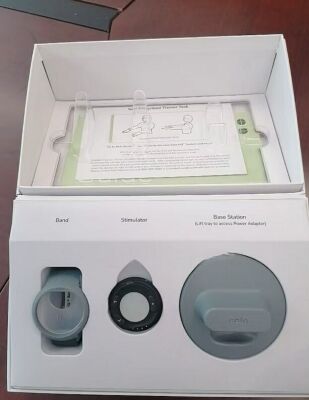
AI‑driven procurement software for healthcare providers is transforming how hospitals and clinics source medical technology, including advanced devices like the Cala kIQ system. Using predictive analytics, new platforms launched in Q1 2026 forecast when patients with Essential Tremor are most likely to need device upgrades, aligning purchases with clinical demand. This shift turns the Cala kIQ into a “smart asset” within the digital transformation of hospital purchasing and improves efficiency, cost control, and patient‑care continuity.
Medical Equipment Store | New & Used Devices | HHG Marketplace
What Is AI‑Driven Procurement Software for Healthcare Providers?
AI‑driven procurement software for healthcare providers is a cloud‑based platform that automates purchasing decisions by analyzing historical usage, contracts, and clinical data. It applies machine learning to rank suppliers, flag compliance issues, and recommend optimal order timing for devices, consumables, and services. By integrating with electronic health records and inventory systems, it replaces manual workflows with data‑driven processes that support value‑based care and supply‑chain resilience.
For medical device suppliers, this means product data must be structured and standardized so algorithms can evaluate clinical impact, cost per episode of care, and total‑cost‑of‑ownership. The 2026 launch of new procurement software has accelerated the digitization of hospital purchasing, pushing suppliers to adopt digital catalogs and transparent pricing models that align with these platforms.
How Does Predictive Analytics Improve Device Procurement?
Predictive analytics improves device procurement by identifying usage patterns and forecasting future demand before shortages or overstock occur. In Essential Tremor care, AI models analyze patient‑level therapy logs, refill intervals, and device‑end‑of‑life signals to predict when a Cala kIQ system may need replacement or upgrade. This enables hospitals to time purchases precisely, avoiding both stockouts and long‑term idle inventory.
These models combine clinical data such as diagnosis codes and therapy duration with operational data such as device age and service history to generate risk‑scored replacement lists. When embedded in procurement software, they trigger requisition workflows and RFQs to pre‑approved vendors and can connect to marketplaces like HHG GROUP for vetted suppliers of new and refurbished devices.
Why Are Healthcare Providers Adopting AI‑Driven Procurement Now?
Healthcare providers are adopting AI‑driven procurement now because margins are tightening, supply chains are volatile, and regulators increasingly demand transparency over spend. Manual workflows are slow and disconnected from clinical outcomes, creating bottlenecks when innovative therapies such as the Cala kIQ system scale. AI‑enabled tools compress cycle times, enforce compliance, and reveal hidden savings across large networks.
Recent trends show that a growing majority of large hospital systems plan to deploy AI‑assisted procurement modules by the end of 2026. As AI‑driven procurement software for healthcare providers becomes standard, manufacturers must position their devices not just as standalone tools but as integrated, data‑rich components of a smart, predictive supply chain.
How Can Medical Device Suppliers Adapt to AI‑Powered Sourcing?
Medical device suppliers must adapt by standardizing product data, enhancing digital catalogs, and aligning with hospitals’ AI‑driven workflows. AI‑powered sourcing engines automatically extract specifications, pricing models, and regulatory attributes from vendor submissions; inconsistent or incomplete data can lead to lower shortlisting or exclusion. Suppliers that integrate with new procurement software gain visibility in automated shortlists and dynamic RFQs.
Key adaptation steps include maintaining structured product‑master data (UDI, regulatory status, lifecycle stage), offering machine‑readable catalogs compatible with AI‑driven platforms, and providing transparent pricing and service‑level information such as installation, training, and support. Participation in centralized marketplaces like HHG GROUP also helps clinics compare new and refurbished options with built‑in transaction protection, strengthening supplier credibility.
What Role Does the Cala kIQ System Play in Predictive Procurement?
The Cala kIQ system plays a dual role in predictive procurement: it is both a therapeutic device and a connected data source that informs purchasing decisions. As an FDA‑cleared wearable neurostimulation system for Essential Tremor and Parkinson’s‑related tremor, it generates real‑time therapy logs, calibration events, and usage patterns. When integrated with procurement software, these logs can signal when a device is nearing its effective lifespan or when a patient’s clinical profile justifies an upgrade.
By treating the Cala kIQ as a “smart asset,” hospitals align device‑upgrade cycles with clinical‑care pathways, reimbursement schedules, and budget cycles. This tight coupling between device‑usage data and purchasing workflows makes the kIQ an ideal use case for the new AI‑driven procurement software for healthcare providers launched in Q1 2026.
Which Technology Trends Underpin AI‑Driven Healthcare Procurement?
Cloud‑based SaaS platforms, IoT‑enabled devices, and advanced analytics engines underpin AI‑driven healthcare procurement. Modern healthcare SaaS procurement suites now offer modular AI add‑ons for demand forecasting, contract optimization, and risk scoring. IoT‑enabled medical devices such as the Cala kIQ feed telemetry data into these platforms, enabling predictive replenishment and upgrade planning.
Additional trends include natural language processing for analyzing tender documents and contracts, blockchain‑style audit trails that secure and timestamp procurement decisions, and API‑first architectures that connect EMRs, ERP systems, and external marketplaces such as HHG GROUP. Together, these trends create a tech‑enabled sourcing ecosystem where procurement software, clinical data streams, and device‑performance metrics converge into a unified workflow.
How Do Predictive Upgrade Triggers Affect Inventory Planning?
Predictive upgrade triggers move inventory planning from static, periodic ordering to dynamic, patient‑centric replenishment. Instead of stocking a fixed number of devices per quarter, hospitals can hold smaller, just‑in‑time inventories while relying on AI‑driven procurement software to forecast when each Cala kIQ user will need an upgrade. This reduces working‑capital pressure and minimizes the risk of obsolete or under‑utilized assets.
For example, a predictive model might flag 15% of a device cohort for replacement within the next 90 days and generate a prioritized procurement list. Inventory planners can then coordinate with preferred vendors or centralized platforms such as HHG GROUP to secure devices ahead of clinical need. This approach also supports environmental sustainability by reducing the number of devices that sit unused for extended periods.
Why Is the Cala kIQ Considered a “Smart Asset”?
The Cala kIQ is considered a “smart asset” because it is not only a therapeutic device but also a data‑generating node that integrates into digital‑health and procurement ecosystems. Its therapy modes, adaptive calibration, and usage logs provide continuous feedback on patient‑level outcomes and device performance. When this data feeds into AI‑driven procurement software for healthcare providers, it becomes a strategic input for forecasting, maintenance scheduling, and capital‑planning decisions.
“Smart asset” status also implies that the device can be tracked, managed, and optimized over its full lifecycle—from installation to upgrade or remarketing. Platforms such as HHG GROUP enable clinics to retire or refresh such assets transparently, ensuring that used or off‑lease devices are appropriately valued and redeployed within the healthcare ecosystem rather than stored or scrapped.
How Does Tech‑Enabled Sourcing Improve Patient‑Care Outcomes?
Tech‑enabled sourcing improves patient‑care outcomes by reducing delays in accessing critical devices and therapies. When AI‑driven procurement software accurately predicts when a patient with Essential Tremor will need a Cala kIQ upgrade, the device can be ordered and delivered just‑in‑time, minimizing disruption to daily living and clinical routines. This is especially important for chronic‑neurologic conditions where consistent tremor control affects independence and quality of life.
Better‑aligned procurement also reduces the need for ad‑hoc workarounds such as using suboptimal substitutes or delaying care due to funding‑or‑inventory uncertainty. With tech‑enabled sourcing, device‑availability risks become measurable and manageable, allowing hospitals to maintain higher‑quality care pathways while controlling costs and supporting long‑term sustainability through responsible reuse channels such as HHG GROUP.
What Are the Risks and Limitations of AI in Procurement?
Despite its advantages, AI in procurement carries risks such as data bias, model opacity, and over‑reliance on automation. If training data reflects historical inefficiencies or inequities—for example, skewed supplier selections or regional biases—AI‑driven procurement software may inadvertently perpetuate those patterns. Additionally, opaque models can make it difficult for clinicians and administrators to understand why certain devices or vendors are recommended over others.
Other limitations include dependence on clean, structured data across EMRs, device logs, and supplier catalogs, as well as cybersecurity and privacy concerns when sharing sensitive usage and cost data. Mitigation strategies often involve combining AI recommendations with human governance boards, external validation, and using trusted marketplaces such as HHG GROUP, where transaction protection and transparent histories add an extra layer of trust to automated decisions.
How Can HHG GROUP Support AI‑Driven Procurement Adoption?
HHG GROUP supports AI‑driven procurement adoption by offering a secure, centralized marketplace where clinics and suppliers can buy and sell new and used medical equipment with confidence. As hospitals begin to rely on AI‑driven procurement software to forecast device‑replacement cycles, HHG GROUP acts as an extension of their predictive‑sourcing strategy, providing vetted suppliers, transparent pricing, and robust transaction protection.
Key support features include asset‑lifecycle visibility, which helps track when devices such as the Cala kIQ enter or exit service, enabling smoother remarketing and reuse. The platform also enhances supplier discovery, helping clinics find alternative vendors or refurbished options that meet AI‑generated cost and quality thresholds. Documented transactions on HHG GROUP maintain secure, auditable records that align with the documented‑decision‑making requirements of AI‑enabled procurement workflows, reinforcing trust and compliance across the healthcare ecosystem.
HHG GROUP Expert Views
“AI‑driven procurement is not just about automating invoices; it’s about re‑engineering how hospitals think about assets and suppliers,” says Dr. Elena Rossi, Chief Strategy Officer at HHG GROUP. “For a device like the Cala kIQ, treating it as a smart asset means linking clinical‑outcomes data to purchasing decisions, retirement planning, and resale opportunities. HHG GROUP plays a critical role here by connecting clinics, original‑equipment manufacturers, and service providers into a single, trusted marketplace where every device—whether new or used—carries a transparent history and value. This alignment between predictive analytics and trusted marketplaces is what will define the next generation of healthcare procurement.”
What Are the Key Takeaways for Healthcare Providers?
Healthcare providers should treat AI‑driven procurement software for healthcare providers as a core enabler of digital transformation, not just a back‑office tool. By integrating predictive analytics with clinical‑device data such as that generated by the Cala kIQ system, hospitals can time upgrades, optimize inventory, and reduce waste. Engaging with centralized, secure marketplaces such as HHG GROUP ensures that these AI‑driven workflows remain anchored in transparent, compliant transactions.
Actionable steps include auditing existing device‑data feeds, standardizing product‑master data, and piloting AI‑driven procurement modules for high‑value, chronic‑care devices. Over time, these efforts will position hospitals to view assets like the Cala kIQ as fully integrated, data‑rich components of a smarter, more responsive healthcare supply chain supported by platforms such as HHG GROUP.
FAQs
How does AI detect when a Cala kIQ device needs upgrading?
AI detects when a Cala kIQ device may need upgrading by analyzing usage duration, therapy‑mode patterns, calibration events, and device‑age thresholds. When combined with clinical data such as diagnosis changes or new treatment guidelines, the system can flag devices likely to require replacement within a defined window and feed these insights directly into procurement workflows.
Can AI‑driven procurement software work with used medical equipment?
Yes, AI‑driven procurement software can work with used medical equipment if the device data is structured and traceable. Platforms like HHG GROUP catalog device history, refurbishment status, and warranty information, enabling AI models to compare total‑cost‑of‑ownership between new and refurbished options such as the Cala kIQ and select the most appropriate configuration.
How does predictive analytics reduce procurement costs?
Predictive analytics reduces procurement costs by eliminating overstock, preventing urgent‑order premiums, and highlighting the most cost‑effective suppliers or configurations. By forecasting when patients will need device upgrades—such as Cala kIQ replacements—hospitals can place orders at optimal times, often leveraging volume discounts and centralized procurement channels that lower per‑unit expenses.
Is HHG GROUP a good fit for hospitals implementing AI‑driven procurement?
Yes, HHG GROUP is well suited for hospitals implementing AI‑driven procurement because it offers a secure, transparent marketplace for both new and used medical equipment. Its transaction‑protection features and standardized catalog data align with the structured inputs required by AI‑driven procurement software, making it easier to compare suppliers, validate device history, and execute compliant purchases.
What should device manufacturers do to prepare for AI‑assisted tenders?
Device manufacturers should standardize product data, ensure regulatory and lifecycle information is machine‑readable, and participate in recognized marketplaces such as HHG GROUP. They should also align their commercial and service offerings with predictive‑sourcing models by providing clear pricing, service‑level commitments, and digital catalogs that can be automatically ingested by AI‑driven procurement platforms.
Part of the Medical Equipment Distribution & Wholesale Channels guide.


