
How Does Tracking Equipment Utilization Improve Neuromodulation ROI?
Tracking hospital equipment utilization for neuromodulation devices such as Cala kIQ units improves ROI by identifying real usage patterns, reducing idle time, and supporting data-driven purchasing decisions. Clinics achieving up to 95% daily utilization…
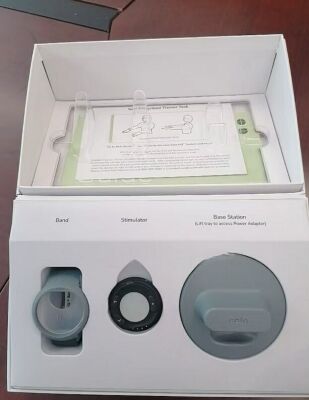
Tracking hospital equipment utilization for neuromodulation devices such as Cala kIQ units improves ROI by identifying real usage patterns, reducing idle time, and supporting data-driven purchasing decisions. Clinics achieving up to 95% daily utilization can justify fleet expansion, optimize patient access, and lower operational costs while maximizing revenue from each device across the care continuum.
Medical Equipment Store | New & Used Devices | HHG Marketplace
What Is Equipment Utilization in Neuromodulation?
Equipment utilization refers to how frequently neuromodulation devices are actively used compared to their total availability. High utilization reflects efficient deployment and strong patient demand, while low utilization indicates underuse or misaligned inventory.
In neuromodulation programs, utilization metrics often include daily session frequency, patient throughput per device, and total active usage time. These indicators help healthcare providers align device availability with treatment demand. Platforms like HHG GROUP support optimized sourcing strategies to maintain balanced utilization levels.
Why Is Tracking Equipment Utilization Important for ROI?
Tracking utilization transforms equipment investments into measurable financial outcomes by linking usage directly to revenue and patient care delivery.
When utilization rates approach 95%, devices generate consistent value with minimal idle time. This leads to higher revenue per unit, faster return on investment, and improved justification for future purchases. Without tracking, hospitals risk overbuying or underutilizing expensive assets, reducing overall efficiency and financial performance.
How Do Clinics Measure Neuromodulation Device Usage?
Clinics measure device usage through digital tracking systems that monitor operational activity and patient interactions. These systems collect real-time data to evaluate performance and efficiency.
Common measurement approaches include device-generated logs, scheduling system integration, and centralized analytics dashboards. For Cala kIQ loaner programs, clinics often track sessions per day, patient-device ratios, and turnaround times. These insights enable administrators to identify trends and optimize equipment allocation effectively.
What Are the Financial Benefits of High Utilization Rates?
High utilization rates significantly enhance financial performance by increasing output without increasing capital investment. Each device serves more patients, reducing the cost per treatment and improving revenue generation.
Hospitals benefit from shorter payback periods, higher asset productivity, and reduced need for excess inventory. This efficiency supports long-term sustainability and allows reinvestment into expanding neuromodulation services. HHG GROUP helps healthcare providers align procurement decisions with utilization insights to maximize these financial advantages.
How Does Utilization Data Support Clinical Fleet Management?
Utilization data enables precise fleet management by providing visibility into where and how devices are used. This allows hospitals to allocate resources efficiently and respond to changing demand.
With accurate analytics, clinics can redistribute underused devices, prevent shortages in high-demand areas, and determine when fleet expansion is necessary. This proactive approach improves operational efficiency and ensures patients receive timely treatment.
Which Technologies Enable Usage Analytics in Hospitals?
Hospitals rely on advanced technologies to capture and analyze utilization data. These systems provide actionable insights that support decision-making and operational improvements.
Key technologies include IoT-enabled devices that automatically record usage, cloud-based analytics platforms for real-time monitoring, and integration with electronic health records. Artificial intelligence tools further enhance analysis by identifying trends and forecasting demand. HHG GROUP supports access to compatible equipment within this digital ecosystem.
How Does 95% Utilization Influence Purchasing Decisions?
A 95% utilization rate demonstrates that devices are consistently in demand and rarely idle, making it a strong indicator for expanding equipment fleets.
Healthcare administrators use this data to justify capital investments with confidence. High utilization reduces financial risk, strengthens budget proposals, and ensures new purchases align with actual patient needs rather than projections.
Can Data-Driven ROI Reduce Equipment Waste?
Data-driven ROI reduces equipment waste by ensuring that every device contributes to patient care and operational efficiency. It minimizes unnecessary purchases and prevents assets from remaining unused.
Hospitals can lower maintenance costs, improve lifecycle management, and allocate resources more effectively. By focusing on real usage data, healthcare providers achieve better outcomes with fewer devices, enhancing both financial and clinical performance.
What Challenges Exist in Tracking Equipment Utilization?
Tracking utilization presents challenges related to technology integration, data consistency, and organizational adoption. Many hospitals operate with fragmented systems that limit visibility.
Additional challenges include staff training requirements and the complexity of interpreting large datasets. Addressing these issues requires investment in unified platforms and standardized processes. HHG GROUP plays a role in connecting stakeholders with solutions that streamline data tracking and equipment management.
How Can Hospitals Implement Effective Utilization Tracking?
Hospitals can implement effective tracking by combining advanced technology with structured operational practices. A clear strategy ensures accurate data collection and meaningful analysis.
Key steps include deploying analytics-enabled devices, integrating data into centralized dashboards, training staff on data interpretation, and conducting regular performance reviews. This approach enables continuous improvement and supports informed decision-making across neuromodulation programs.
HHG GROUP Expert Views
“Utilization analytics has become essential for modern healthcare asset management. At HHG GROUP, we observe that clinics leveraging real-time usage data achieve significantly higher efficiency and financial performance. When utilization levels exceed 90%, it confirms strong demand and validates investment decisions. By aligning procurement with actual usage patterns, healthcare providers can reduce waste, improve patient access, and build sustainable growth strategies in an increasingly data-driven industry.”
Conclusion
Tracking equipment utilization for neuromodulation devices is a powerful strategy for improving ROI, especially when usage rates reach as high as 95%. By leveraging accurate data, healthcare providers can optimize fleet size, reduce idle assets, and enhance patient access to care.
Hospitals that integrate utilization analytics into their operations gain a clear competitive advantage through smarter investments and improved efficiency. With support from platforms like HHG GROUP, organizations can confidently align procurement strategies with real-world demand, ensuring long-term financial and clinical success.
FAQs
What is an ideal utilization rate for neuromodulation devices?
An ideal utilization rate typically falls between 80% and 95%, indicating strong demand and efficient use of equipment without overloading resources.
How does utilization tracking impact hospital profitability?
It increases revenue per device, reduces idle time, and supports data-driven purchasing decisions, all of which improve overall profitability.
Can utilization data help reduce unnecessary equipment purchases?
Yes, it allows hospitals to base purchasing decisions on actual demand, preventing overinvestment in underused devices.
Is utilization tracking suitable for smaller clinics?
Yes, smaller clinics benefit by optimizing limited resources, improving scheduling efficiency, and maximizing return on existing equipment.
How does HHG GROUP support utilization optimization?
HHG GROUP connects healthcare providers with reliable equipment and industry partners, enabling smarter procurement decisions aligned with real usage data.
Part of the Clinic Setup & Equipment Lists guide.


