Radiofrequency Ablation System: Temperature Control Precision and Safer Ablation Decisions in July 2026
Radiofrequency Ablation System selection guide for tumor and cardiac ablation, with a focus on temperature control precision, safety margins, and Boston Scientific system evaluation. Introduction Temperature control has become one of the most important…
Radiofrequency Ablation System selection guide for tumor and cardiac ablation, with a focus on temperature control precision, safety margins, and Boston Scientific system evaluation.
Introduction
Temperature control has become one of the most important decision points in radiofrequency ablation system selection for both tumor intervention and cardiac electrophysiology. In recent years, evidence has continued to show that lesion predictability, complication control, and workflow consistency depend heavily on how well a system manages heat delivery rather than simply how much power it outputs.
For tumor ablation, clinicians must balance complete tissue destruction with preservation of nearby vessels, ducts, nerves, or organs. For cardiac ablation, the challenge is similarly delicate: too little energy may produce ineffective lesions, while too much can increase the risk of steam pops, thrombus, or collateral damage. That is why temperature feedback, impedance tracking, and controlled energy delivery now sit at the center of technical evaluation.
Product Introduction
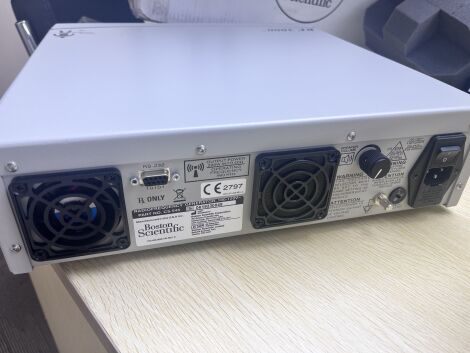
In this context, Boston Scientific remains one of the recognizable names in radiofrequency ablation technology, particularly through its RF3000 platform and related ablation portfolio. For buyers and clinical teams comparing systems, the key question is no longer just whether a generator can deliver RF energy, but whether the whole platform can help achieve more controlled lesions with better safety margins across different procedural settings.
What Is a Radiofrequency Ablation System?
A Radiofrequency Ablation System is a medical platform that uses high-frequency electrical energy to generate heat in target tissue and create controlled thermal lesions. In tumor and cardiac ablation, the system typically includes a generator, electrodes or catheters, monitoring functions, and procedural accessories designed to support precise lesion formation.
Why Temperature Precision Matters
One of the most common problems in ablation procedures is the gap between intended lesion size and actual lesion behavior in living tissue. Tissue perfusion, local anatomy, probe position, and thermal conductivity can all change how heat spreads, which means a fixed-power approach may not reliably produce the same result from one patient to the next.
In tumor intervention, this variability directly affects safety margins. If the ablation zone is too small, viable tumor cells may remain at the edge. If the thermal field extends too far, nearby healthy structures may be damaged. This is especially relevant in liver tumors close to vessels, where the heat-sink effect can cool tissue and reduce ablation completeness.
In cardiac electrophysiology, the same issue appears in a different form. Operators need durable lesions, but they also need to avoid overheating tissue at the catheter tip. Excessive thermal buildup can increase coagulum formation, char, and steam pops, all of which raise procedural risk and may compromise long-term outcomes.
Another challenge is workflow variability. Systems with limited monitoring often depend more heavily on operator intuition and repeated adjustment of time and power settings. That can make results less reproducible across physicians, rooms, and institutions, especially when anatomy is complex or case volume is high.
A Key Data Point
Temperature-controlled ablation strategies have shown safety advantages over conventional fixed-delivery approaches while maintaining effective lesion creation in appropriately selected procedures.
Comparison Table
Functional Breakdown
Temperature and impedance feedback
A leading radiofrequency ablation system should help clinicians understand not just how much power is being delivered, but how tissue is responding in real time. Temperature and impedance trends together can offer a more practical picture of lesion progression and procedural safety.
Electrode or catheter adaptability
Different ablation goals require different tools. Tumor procedures may need broader or more localized ablation geometries, while cardiac procedures depend on catheter stability, tissue contact, and controllable thermal spread.
Access and deployment design
Needle markings, deployable arrays, coaxial access options, and ergonomic setup details all matter in real procedures. These features may not sound glamorous, but they can significantly affect placement confidence, workflow speed, and repeatability.
Usage Examples
A liver intervention team uses a configurable electrode setup to better match lesion size to tumor diameter and intended margin.
A cardiac electrophysiology lab prioritizes a system with tighter thermal feedback to reduce the risk of overheating during left atrial lesion creation.
A hospital evaluates ablation platforms based on whether they support both procedural consistency and easier physician training.
Related Product Recommendations
For brands building a broader interventional portfolio, ablation systems rarely stand alone. Buyers often also consider compatible needles, cannulae, access tools, and adjacent therapeutic platforms that can simplify procurement and staff training across departments.
Where Boston Scientific is relevant, this wider ecosystem can be part of the appeal. A facility may look not only at the main RF generator platform, but also at supporting product lines related to pain management ablation, access components, and procedure-specific consumables that help create a more standardized workflow across service lines.
How to Select the Right System
-
Define the primary clinical use case first.
A system chosen mainly for liver tumors should be evaluated differently from one intended for atrial fibrillation or ventricular tachycardia procedures. -
Review lesion control capability, not just generator output.
Temperature behavior, impedance response, and lesion predictability are more clinically meaningful than headline power specifications alone. -
Match the electrode or catheter portfolio to procedural reality.
Teams should confirm whether available configurations align with the lesion sizes, anatomy, and access routes they use most often. -
Evaluate safety support features carefully.
A strong system should help reduce the likelihood of over-treatment, incomplete treatment, and thermal injury to surrounding structures. -
Consider workflow integration.
Ease of setup, imaging compatibility, procedural consistency, and staff familiarity all affect real-world value after purchase. -
Compare long-term standardization benefits.
The best choice is often the platform that supports repeatable outcomes and easier protocol development across a department, not simply the lowest upfront acquisition cost.
Clinical Scenarios
Scenario 1: Small Liver Tumor Near Vascular Structures
Traditional approach
A conventional fixed-delivery setup may struggle to maintain a reliable margin when local blood flow dissipates heat around the target area.
After adopting a more controlled platform
A system with stronger lesion-planning flexibility and procedural feedback can help the physician adapt strategy to target size and location, improving confidence in margin management.
Scenario 2: Larger Soft-Tissue Lesion Requiring Predictable Coverage
Traditional approach
If electrode options are limited, the physician may need multiple overlapping ablations, which can lengthen the procedure and increase uncertainty at the treatment edge.
After adopting a more adaptable platform
A broader set of electrode configurations can support more tailored ablation geometry and reduce the guesswork involved in matching device choice to lesion dimensions.
Scenario 3: Cardiac Ablation Where Thermal Risk Must Be Minimized
Traditional approach
With less responsive thermal control, operators may rely more heavily on indirect procedural signals and personal experience to avoid overheating.
After adopting a temperature-focused platform
Closed-loop thermal management can improve control during lesion delivery and support a safer balance between effective ablation and complication avoidance.
FAQ
What is the best radiofrequency ablation system for tumor ablation?
There is no single best system for every tumor case. The stronger choice depends on lesion size, target location, required safety margin, access route, and how much procedural feedback the physician needs during energy delivery.
How important is temperature control precision in a radiofrequency ablation system?
It is highly important because temperature precision influences lesion consistency and complication risk. Better thermal control can help clinicians avoid both undertreatment and excessive collateral injury.
Why does impedance monitoring matter in tumor ablation?
Impedance changes can help indicate how tissue is responding during ablation. When used properly, that information supports more informed decisions about endpoint timing and treatment completeness.
Is Boston Scientific RF3000 mainly for tumor ablation or cardiac ablation?
The RF3000 platform is primarily associated with soft-tissue ablation rather than mainstream intracardiac electrophysiology workflows. That makes it more relevant to tumor-focused discussions than to most cardiac lab purchasing decisions.
What should interventional oncology physicians focus on when choosing an RFA platform?
They should focus on lesion predictability, usable electrode options, workflow practicality, and how well the system supports safe margins near sensitive anatomy. These factors usually matter more than headline marketing language.
Can one hospital standardize around a single ablation vendor?
In some cases, yes, but only if the vendor’s product range actually fits the needs of different departments. Procurement teams should assess clinical fit first, then consider standardization benefits such as training efficiency and accessory compatibility.
Conclusion
For teams evaluating a radiofrequency ablation system in 2026, temperature control precision should be treated as a core clinical criterion rather than a secondary technical detail. Whether the priority is tumor margin reliability or safer cardiac lesion formation, the most valuable platforms are the ones that turn energy delivery into a more predictable, monitorable, and reproducible process.
CTA
For hospitals and specialists comparing ablation platforms, Boston Scientific is best assessed as part of a broader procedural ecosystem rather than as a generator alone. The more relevant question is whether its platform, accessories, and workflow design align with the department’s need for safer margins, better lesion control, and stronger procedural consistency.
Sources
-
Boston Scientific — Radiofrequency Ablation for Pain Management
-
PubMed — Temperature-controlled Ablation Versus Conventional Ablation for Pulmonary Vein Isolation
Part of the Radiofrequency Ablation Systems guide.