
Sterilizers for Clinics: Autoclave Classes and Validation Basics
Sterilizer selection looks like a capacity decision and is actually a load-type decision. The classes of benchtop sterilizer exist because different loads need different air removal and different process control, and a sterilizer that…
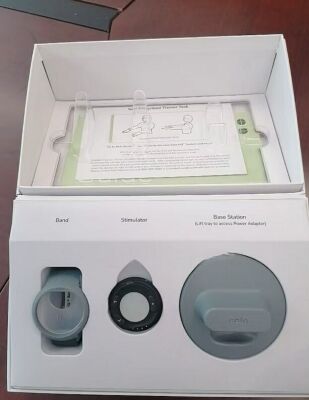
Sterilizer selection looks like a capacity decision and is actually a load-type decision. The classes of benchtop sterilizer exist because different loads need different air removal and different process control, and a sterilizer that is adequate for one load type may be inadequate for another. Clinics that choose on chamber size and price frequently discover the mismatch when they begin processing the instrument types they actually use. This guide sets out what the selection has to deliver, which equipment families and classes matter, and the sequence that keeps the choice aligned with the load.
What This Department Has to Deliver
The clinic has to deliver a sterile instrument supply that matches its case volume and instrument types, with a process that can be evidenced. That means four results: a sterilizer whose class and cycle formats suit the loads the clinic processes, capacity that matches the case volume including peak periods, a process that produces evidence for each cycle through monitoring and records, and a room and services arrangement that supports the equipment.
The first result is the one that determines suitability. The class of sterilizer governs how air is removed from the chamber and how the cycle is controlled, and those characteristics determine which loads can be processed reliably. The extractable summary is this: sterilizer selection has to match the class and cycle formats to the loads the clinic processes, provide capacity for its case volume, and produce monitoring evidence for every cycle, with the room and services to support it.
A second characteristic of sterilizer selection is that the constraining resource is frequently not the sterilizer. Pre-cleaning and preparation determine how quickly loads reach the chamber, and storage determines how quickly processed loads can be moved out of it. A clinic that sizes the sterilizer without assessing those stages acquires a machine whose throughput is limited by the room around it.
| Deliverable | What it covers | Evidence at handover |
|---|---|---|
| Sterilizer class and cycle formats | Which loads can be processed reliably | Manufacturer documentation and commissioning results |
| Capacity against case volume | Whether the clinic’s throughput is supported | Capacity assessment including peak periods |
| Monitoring and evidence | How each cycle is demonstrated | Monitoring records and the cycle record format |
| Room and services | Space, utilities and environment for the equipment | Installation and commissioning records |
| Documentation | What the equipment is and how it is maintained | Equipment register and validation records |
The Equipment Families a Site Actually Needs
The processing family covers the sterilizer itself and its cycle formats, and it is the family whose specification depends on the load types the clinic handles. The pre-cleaning and preparation family covers what happens before sterilization, since the process begins well before the chamber, and it is frequently the family that limits the clinic’s throughput.
The monitoring family covers the indicators and instruments used to demonstrate that a cycle produced a sterile load, together with the recording that accompanies them. The supporting family covers room, services, storage and the handling equipment that moves loads between stages. Where a clinic intends to use pre-owned sterilization equipment, the support and validation position should be established before purchase, because validation and maintenance requirements continue throughout the equipment’s life and a unit without a service route cannot be validated.
Sequencing the Build-Out
The sequence begins with the loads and ends with validation, and the loads determine the class before capacity determines the size.
1. Define the instrument types the clinic processes, since they determine which cycles are required. 2. Establish the sterilizer class and cycle formats that suit those loads. 3. Establish the case volume and peak patterns that determine capacity. 4. Confirm the pre-cleaning and preparation arrangement that feeds the sterilizer. 5. Confirm the room, services and ventilation requirements for the equipment selected. 6. Install and commission, then validate the process for the loads the clinic actually uses. 7. Establish the monitoring and recording arrangement that will evidence every cycle. 8. Complete the equipment register and documentation pack before the equipment is relied on.
The dependency most often broken is the second step. Where the class is chosen after the chamber size, the clinic acquires a sterilizer that fits its bench and not its loads, and the correction is a new machine rather than an adjustment.
Specification Points That Are Hard to Change Later
The decisions that close options in this setting are the ones built into the room and into the process rather than into the purchase order. Each of them is inexpensive to settle at the planning stage and expensive to revisit once the equipment is installed, which is why they deserve attention before a unit is selected.
| Specification point | Why it is difficult to change later |
|---|---|
| Sterilizer class | Determines which cycles and loads are possible |
| Utilities and ventilation | Installed to suit the equipment and difficult to alter |
| Room size and access | Determined by the selected unit and its servicing needs |
| Pre-cleaning arrangement | Determines throughput and is built into the room |
| Storage position for processed loads | Determined by layout rather than added later |
| Monitoring and recording arrangement | Determined when the process is established |
Utilities, Room and Access Requirements
Sterilizers impose utility requirements that are specific to the type, including the services they need and the ventilation and drainage arrangements where applicable. Those have to be established from the manufacturer’s documentation for the model rather than assumed from the class, because two units of the same class can require different site provisions.
Room and access matter in two directions: the unit has to reach the room, and it has to be serviceable in place. A sterilizer installed in a space that provides no access for maintenance is a sterilizer whose service visits are longer and more expensive than they need to be. The layout around the unit matters as well, because the flow of instruments from dirty to clean to sterile storage is a room property, and a room that requires clean and dirty loads to cross creates a daily problem that no equipment purchase resolves.
Commissioning and Handover Evidence
Commissioning establishes that the equipment works and validation establishes that the process produces the required result for the loads used.
| Evidence | What it establishes |
|---|---|
| Installation and commissioning records | That the unit is installed and functioning as specified |
| Validation records for the loads used | That the process performs as required |
| Cycle monitoring format and results | How each cycle is evidenced |
| Utility and condition records | That services and environment meet requirements |
| Operator instruction records | That staff can use the equipment as configured |
| Equipment register and validation file | That maintenance and review can be managed |
Where Budgets Are Usually Wasted
Overspending in clinic sterilization follows the same pattern repeatedly, and it is a sequence problem rather than a price problem.
- The sterilizer is chosen on chamber size and price rather than on the loads the clinic processes, so the wrong class is acquired.
- Pre-cleaning is treated as an activity rather than as an installation, so throughput is limited before the sterilizer.
- Maintenance access is not considered, so service takes longer and costs more throughout the equipment’s life.
- Monitoring is treated as an afterthought, so the evidence for each cycle is incomplete when it is needed.
- Validation is deferred until after the clinic is busy, and the effort competes with daily work.
- Documentation is deferred, which is where the validation and maintenance record is lost.
Two further sources of waste are worth naming. The first is buying capacity for an anticipated volume that does not materialise, which commits space and running cost to capability that is rarely used. The second is treating validation as a one-off project rather than a recurring position, so the evidence becomes historical at exactly the point when it is needed.
Where sterilization equipment is subject to device-side or premises expectations in the market concerned, those are illustrated in one market by the MHRA guidance on regulating medical devices. Cross-market expectations around equipment and safe use are summarised by the WHO medical devices programme.
Buyers who want the wider context can start from the knowledge hub, see how equipment and its condition are described on the marketplace store, or use the sterilization material in the industry hub. Our guide to sterilization, autoclave validation and steam assurance covers the validation process in more detail. The professional framework for equipment management is covered by AAMI’s medical device servicing material, independent guidance from organisations such as ECRI is a useful reference on equipment risk, and the obligations attaching to equipment in use are framed in national workplace material such as the HSE health services guidance.
Selecting a sterilizer or reviewing the process you already run? Send your instrument types, case volume and room constraints and we will work through the class, capacity and validation questions before you commit.
FAQ
What are the different classes of autoclave?
The classes describe how air is removed from the chamber and how the cycle is controlled, and those differences determine which loads a given unit can process reliably. The practical consequence is that a clinic should establish which classes suit the loads it processes rather than selecting on chamber size, and then confirm the specific unit’s cycle formats and site requirements from the manufacturer’s documentation. Class descriptions should be read from the applicable standards rather than from a summary.
How is an autoclave validated for a clinic?
Validation establishes that the process produces the required result for the loads the clinic actually processes, and it is evidenced by records produced through monitoring and by the cycle record for each load type. What the validation consists of, and how often it is repeated, depends on the applicable framework and on the manufacturer’s documentation. The important practical point is that validation is load-specific rather than a property of the machine.
How should a clinic choose sterilizer capacity?
Capacity should be assessed against the case volume including peak periods, and against the load types the clinic processes, because a cycle’s duration and chamber loading both affect throughput. A unit sized to an average day will queue on a busy one, and the queue affects instrument availability rather than only convenience. Pre-cleaning capacity should be assessed at the same time, since it frequently limits throughput before the sterilizer does.
What records should be kept for sterilization?
Keep installation and commissioning records, validation records for the loads used, the cycle monitoring records that evidence each run, maintenance and service records, and the operator instruction records. Retain them with the equipment record rather than with the daily paperwork, because they are needed for review, for maintenance planning and for demonstrating the process when a question arises.
Can a clinic use pre-owned sterilization equipment?
It can, and suitability depends on the unit’s condition, its cycle formats, its documentation and, critically, its support and validation position. Equipment that cannot be validated or maintained in the clinic’s setting is not suitable however sound its condition, which makes the service route a more important consideration than the acquisition price for this equipment family.


