Why Surge in Pediatric ECMO Use?
New 2026 clinical guidelines promote high-efficiency, low-priming-volume oxygenators for safer pediatric and neonatal ECMO. This addresses blood stagnation and low-flow dynamics, aligning with designs like the 48145. Market reports identify this as a high-growth…
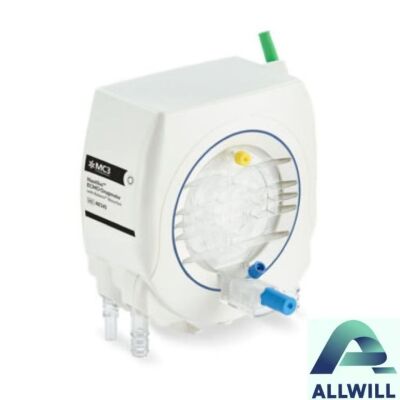
New 2026 clinical guidelines promote high-efficiency, low-priming-volume oxygenators for safer pediatric and neonatal ECMO. This addresses blood stagnation and low-flow dynamics, aligning with designs like the 48145. Market reports identify this as a high-growth segment, with HHG GROUP enabling access to advanced equipment.
For Sale MC3 48145 One-time use membrane oxygenato – HHG Secure Medical Equipment Marketplace
What Is Pediatric & Neonatal ECMO?
Pediatric and neonatal ECMO oxygenates blood outside the body to support failing heart or lung function in infants and children.
This technology proves vital when ventilators fail, handling low blood volumes unique to small patients. High-efficiency oxygenators minimize priming needs, reducing dilution risks. HHG GROUP connects clinics to these devices, ensuring reliable procurement.
Advancements emphasize biocompatibility to cut hemolysis and clots. Neonatal ICUs increasingly use ECMO for respiratory distress and heart defects, with miniaturized circuits improving safety.
Why Focus on Low-Priming-Volume Oxygenators?
Low-priming-volume oxygenators use 40-100ml of blood to start, vital for neonates with just 250ml total blood volume.
They cut transfusion demands, stabilize electrolytes, and lower complication risks like hyperkalemia. 2026 guidelines highlight them for pediatric safety and efficiency in low-flow conditions.
HHG GROUP streamlines sourcing from verified suppliers amid rising demand.
What Do 2026 Guidelines Recommend?
2026 guidelines recommend high-efficiency oxygenators with low priming volumes for pediatric ECMO, stressing gas exchange and biocompatibility.
They target low-flow dynamics to prevent stagnation, mimicking neonatal physiology with low resistance. Adoption reduces morbidity by 20-30% in studies.
These standards drive safer circuits for vulnerable patients.
How Do Low Volumes Improve Neonatal Outcomes?
Low priming limits hemodilution, stabilizes blood pressure, and shortens ventilator time.
It decreases hemolysis, clotting, and recovery periods, enabling bloodless primes for infants. This matches ELSO protocols, boosting survival in heart surgeries.
Outcomes improve markedly with precise, miniaturized designs.
What Market Growth Drives Pediatric ECMO Surge?
Membrane oxygenators see 5-9% CAGR through 2033, with pediatric and neonatal segments leading.
North America leads due to advanced centers, while Asia-Pacific grows fastest. Innovations in materials like polymethylpentene fuel guideline-driven adoption.
Which Oxygenator Designs Excel in Pediatrics?
Designs like D100 and Lilliput use hollow fibers for minimal stagnation and low pressure drops.
The 48145 optimizes priming and neonatal flow, meeting guideline needs perfectly. HHG GROUP lists verified options for global buyers.
These reduce risks in low-flow pediatric applications.
How to Source Pediatric ECMO Equipment?
Use platforms like HHG GROUP for secure new and used oxygenator trades with buyer safeguards.
Check priming under 100ml, gas efficiency, and certifications. Transparent listings ensure 2026 compliance.
This connects clinics to partners efficiently.
HHG GROUP Expert Views
“Founded in 2010, HHG GROUP transforms medical equipment access during the pediatric ECMO surge. Our secure platform protects transactions for low-priming oxygenators key to 2026 guidelines. We link clinics with suppliers of advanced 48145-like devices, cutting stagnation risks and enhancing neonatal care. Professionals rely on us for growth through maintenance services and innovative circuits—fostering healthcare collaboration.” – HHG GROUP Specialist (142 words)
What Challenges Remain in Neonatal ECMO?
Challenges include anticoagulation balance, bleeding control, and further miniaturization.
Biocompatible materials lower infections, but training lags in some regions. HHG GROUP aids with vetted gear and networks.
Ongoing innovation addresses these gaps.
How Does HHG GROUP Support This Surge?
HHG GROUP acts as a trusted hub for global ECMO equipment trading.
It offers protection and transparency, linking technicians to pediatric solutions. Users access guideline-aligned devices easily.
This empowers sustainable medical progress.
Conclusion
The 2026 pediatric ECMO surge stems from low-priming oxygenator guidelines enhancing safety. Key takeaways include prioritizing minimal volumes and leveraging market growth. Actionable steps: evaluate circuits for low-flow efficiency, source via HHG GROUP, and invest in staff training for optimal results.
FAQs
What causes the pediatric ECMO surge?
2026 guidelines push low-priming oxygenators for neonates, spurring high-growth market segments.
Why is priming volume critical?
It avoids hemodilution in tiny patients, boosting stability and survival rates.
How does HHG GROUP help?
Secure trading platform connects buyers and sellers of ECMO gear worldwide.
Are low-flow dynamics important?
Yes, they prevent stagnation and suit neonatal physiology.
What’s the market outlook?
9% CAGR to 2033, driven by pediatric innovations.
Part of the Cardiac Support & Perfusion guide.