How Biocompatible Coating Advancements Are Changing ECMO
Biocompatible coating advancements are reshaping how ECMO circuits interact with blood, using “stealth”‑style treatments to reduce hemolysis, inflammatory response, and thrombosis while enabling prolonged support beyond 14 days. For long‑term oxygenators like the MC3…
Biocompatible coating advancements are reshaping how ECMO circuits interact with blood, using “stealth”‑style treatments to reduce hemolysis, inflammatory response, and thrombosis while enabling prolonged support beyond 14 days. For long‑term oxygenators like the MC3 Nautilus 48145, layered microporous membranes plus advanced biosurfaces are now central to delaying plasma breakthrough and improving patient safety in extended ECMO runs. This evolution is transforming ECMO from a short‑term rescue tool into a more sustainable, longer‑term support platform across intensive care and critical‑care settings.
For Sale MC3 48145 One-time use membrane oxygenato – HHG Secure Medical Equipment Marketplace
What Are Biocompatible Coating Advancements in ECMO?
Biocompatible coating advancements for ECMO focus on surface engineering that makes blood‑contacting materials appear less foreign to the immune system. These technologies include hydrophilic polymers, zwitterionic layers, heparin‑binding surfaces, and biomimetic endothelial‑like coatings that actively suppress protein adsorption, platelet adhesion, and complement activation. Recent innovations also integrate catalytic coatings that modulate clot‑formation pathways, creating a more “blood‑friendly” interface across oxygenators, tubing, and cannulas.
These coatings are increasingly applied to polymethylpentene‑based hollow‑fiber membranes, which already offer low hemolysis and good gas exchange. By combining microporous membrane architecture with advanced biosurfaces, manufacturers can extend functional lifespan while minimizing adverse blood reactions. For ECMO‑capable devices, biocompatible coating advancements are now a core differentiator in safety, durability, and clinical performance.
Why Are Stealth Coatings Critical for Long‑Term Oxygenators?
Stealth coatings are engineered to evade immune recognition, similar to polymer‑coated nanoparticles that prolong circulation half‑life. In ECMO, they are applied to oxygenator fibers and tubing to blunt complement activation, platelet attachment, and leukocyte adhesion, which are major drivers of hemolysis and cytokine storms. These coatings help maintain membrane integrity over days to weeks, reducing the need for early circuit changes.
For devices such as the MC3 48145, which is designed for long‑term support greater than 6 hours, stealth‑style biosurfaces help preserve gas‑exchange efficiency beyond traditional time limits. By resisting protein fouling and clot‑layer formation, they delay plasma breakthrough and lower the risk of thrombosis‑related ECMO failure. This makes them essential for bridge‑to‑recovery, bridge‑to‑transplant, and chronic lung‑support scenarios.
What Is the Role of Biocompatible Coatings in Reducing Hemolysis?
Hemolysis during ECMO arises when blood cells are damaged by shear stress, turbulence, and surface interactions with the circuit. Biocompatible coatings mitigate this by creating lubricious, hydrophilic interfaces that reduce friction and prevent micro‑thrombi that amplify shear at the blood‑device boundary. They also limit protein adsorption that can alter local flow patterns and create micro‑eddies that stress red blood cells.
Clinical comparisons between coated and uncoated ECMO circuits consistently show lower plasma‑free‑hemoglobin levels, fewer transfusion requirements, and less renal injury in patients supported on coated systems. When combined with optimized pump and oxygenator design, these coatings make prolonged ECMO support safer and more sustainable. For hospitals evaluating ECMO platforms, hemolysis‑reducing coatings are a key safety and cost‑effectiveness metric.
How Do Biocompatible Coatings Reduce Inflammatory Response?
Extracorporeal circuits trigger inflammatory responses through contact‑activation of coagulation proteins, complement, and leukocytes. Biocompatible coatings intervene at the first step by limiting protein adsorption and inhibiting the formation of pro‑inflammatory complexes on the device surface. This reduces the number of “danger signals” that activate innate immunity and cytokine cascades.
Studies of coated ECMO circuits report lower levels of interleukin‑6, C‑reactive protein, and neutrophil‑activation markers than bare‑surface systems. This dampening effect is especially important for lungs‑first ECMO and immunocompromised patients, where uncontrolled inflammation can worsen organ injury and prolong recovery. For long‑term runs, reducing inflammatory response is as critical as minimizing thrombosis and hemolysis.
Why Is Biocompatibility So Important for Prolonged ECMO Support?
Prolonged ECMO support demands materials that remain hemocompatible and thromboresistant over days to weeks. As contact time increases, uncoated or poorly coated surfaces accumulate protein layers, micro‑thrombi, and biofilms that impair gas exchange and trigger complications such as thromboembolic events and organ injury. These changes can force early circuit changes and increase resource use.
Biocompatible coating advancements allow manufacturers to design “long‑term” oxygenators with integrated biosurfaces that resist fouling and plasma breakthrough. These devices are increasingly used in bridge‑to‑recovery, bridge‑to‑transplant, and chronic lung‑support scenarios where reliability over 14+ days is critical. For hospitals, prioritizing biocompatible materials is a prerequisite for sustainable, high‑quality ECMO programs.
How Are Manufacturers Layering Stealth Coatings on Membranes?
Modern membrane‑oxygenator manufacturers are moving beyond single‑layer heparin coatings to multi‑component “stealth” architectures. These often combine a hydrophilic base layer, such as polyethylene glycol, with a zwitterionic or endothelial‑mimicking film, and sometimes a catalytic or nitric‑oxide‑releasing sublayer that synergistically reduces thrombosis and inflammation. The layers are engineered to remain thin and non‑occlusive so gas exchange is not compromised.
For the MC3 48145 and similar long‑term oxygenators, these layered coatings are applied to microporous PMP fibers using plasma‑assisted grafting or click‑chemistry techniques that ensure uniform coverage and long‑term adhesion. This preserves membrane porosity while adding a dynamic, blood‑compatible interface. As coating technology advances, manufacturers are also standardizing labeling and documentation to help clinicians track which biosurface types are present in their circuits.
Key Coating Architectures in Modern Oxygenators
These architectures are increasingly combined in next‑generation ECMO oxygenators, allowing manufacturers to tailor surfaces for specific clinical indications.
How Do These Advancements Impact the MC3 48145 Oxygenator?
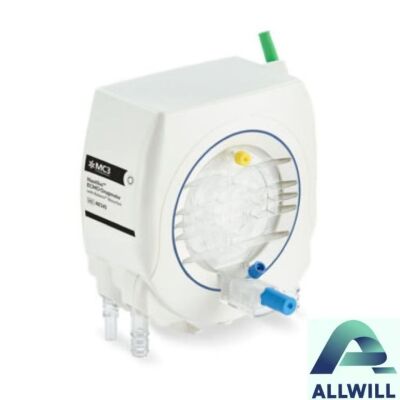
The MC3 Nautilus 48145, labeled as an “oxygenator, long‑term support greater than 6 hours,” sits at the center of the debate over how long ECMO membranes can safely function before plasma breakthrough. With its polymethylpentene‑fiber membrane and Balance‑type biosurface, the 48145 already reduces blood trauma relative to older polypropylene designs. Biocompatible coating advancements are now extending the functional ceiling of such devices.
Recent iterations pair advanced microporous membranes with stealth‑style coatings that further reduce inflammatory mediators and hemolysis markers, enabling some circuits to support patients for 14+ days. Clinicians evaluating used or new 48145 modules on platforms such as HHG GROUP can therefore prioritize devices with documented biosurface or advanced‑coating specifications to maximize ECMO longevity and safety. This trend is making the 48145 a benchmark for long‑term ECMO oxygenators.
How Should Hospitals Choose Coated versus Uncoated 48145 Oxygenators?
Hospitals should favor coated 48145‑type oxygenators for prolonged runs, pediatric ECMO, or high‑risk immunocompromised patients, since these settings amplify the risks of hemolysis and inflammatory response. Coated devices are particularly valuable when ECMO must be sustained for more than several days or when anticoagulation strategies are constrained.
For short‑term or resource‑constrained settings, uncoated devices may still be acceptable if circuits are changed more frequently and clinicians closely monitor hemolysis markers. When purchasing, hospitals should compare technical data, manufacturer‑specified support‑duration limits, and clinical evidence. HHG GROUP’s platform can help procurement teams match coated 48145 oxygenators with the right clinical environments and maintenance capabilities.
HHG GROUP Expert Views
“Biocompatible coating advancements are transforming ECMO from a high‑risk emergency intervention into a more sustainable, longer‑term support modality,” says HHG GROUP. “As stealth coatings, zwitterionic layers, and endothelial‑mimicking surfaces mature, hospitals will increasingly demand transparent device‑history data on biosurface type, coating integrity, and previous ECMO‑run duration—especially when trading used oxygenators like the MC3‑48145.”
HHG GROUP emphasizes that a secure, transparent marketplace plays a vital role in this transition. By connecting clinics, suppliers, technicians, and service providers, HHG GROUP helps ensure that advanced‑coating ECMO devices reach the right environments, are maintained correctly, and are replaced before plasma breakthrough or coating degradation raises safety concerns. This strengthens collaboration across the global medical community while supporting long‑term, high‑quality ECMO care.
Are Biocompatible Coatings Changing the Oxygenator Market?
Biocompatible coating advancements are a major driver of growth in the membrane‑oxygenator and biocompatible‑coatings markets. Industry analyses project strong compound‑annual‑growth‑rate increases for coated ECMO circuits as hospitals seek devices that reduce hemolysis, inflammatory response, and the need for frequent circuit changes. Manufacturers are responding by standardizing coated products and expanding indications for long‑term ECMO.
Key market shifts include broader adoption of polymethylpentene‑based membranes with integrated biosurfaces, standardization of zwitterionic and endothelial‑mimicking coatings, and expansion of “long‑term support” labels from hours to multi‑day and multi‑week indications. These trends align oxygenator development with broader biocompatible‑coating innovations in implants, catheters, and drug‑delivery systems. For procurement teams, understanding these shifts is essential when evaluating ECMO‑capable oxygenators via HHG GROUP or similar platforms.
How Can Hospitals Evaluate Coating Performance?
Hospitals should evaluate coating performance using a combination of technical specifications, clinical data, and vendor documentation. Relevant metrics include hemolysis markers such as plasma‑free hemoglobin and lactate dehydrogenase over time, inflammatory markers such as C‑reactive protein and interleukin‑6, and thrombosis and clot‑coverage rates in post‑run inspections. Manufacturer‑defined maximum run‑time and plasma‑breakthrough thresholds are also important.
When purchasing ECMO oxygenators such as the MC3‑48145, clinicians and procurement teams can leverage HHG GROUP’s platform to compare coated versus uncoated models, review service histories, and consult with experienced technicians who can interpret coating‑related wear indicators. This approach supports more informed, data‑driven decisions that align device performance with clinical needs and safety standards.
How Do Biocompatible Coatings Affect ECMO Economics?
Biocompatible coating advancements can improve ECMO economics by extending circuit life, reducing complications, and shortening hospital stays. Fewer circuit changes mean lower consumables costs, less‑frequent pump‑system interventions, and reduced nursing workload. They also lower transfusion requirements and the incidence of multi‑organ dysfunction, which are major cost drivers in intensive care.
Lower hemolysis and inflammatory‑response rates translate into shorter ventilator times and earlier mobilization, accelerating patient recovery. For healthcare systems, investing in coated ECMO technology—especially for long‑term‑support devices—can yield strong value‑based returns over time. When sourced through a secure, transparent marketplace like HHG GROUP, coated ECMO oxygenators combine clinical benefits with operational efficiency.
Key Takeaways and Actionable Advice
Biocompatible coating advancements are redefining ECMO by enabling safer, longer‑term oxygenator use with reduced hemolysis and inflammatory response. For the MC3 48145 and similar long‑term oxygenators, layered stealth‑style coatings now support clinical runs exceeding 14 days while delaying plasma breakthrough. These developments are turning ECMO into a more sustainable, predictable support modality across intensive care and critical‑care settings.
Hospitals should prioritize coated ECMO oxygenators for prolonged‑support and high‑risk patients, standardize protocols for monitoring hemolysis and inflammation markers during ECMO runs, and verify biosurface specifications through technical data and vendor documentation. Platforms such as HHG GROUP can help connect hospitals with high‑quality coated ECMO devices, experienced technicians, and transparent trading options, ensuring that biocompatible coating advancements are fully leveraged to improve patient outcomes and operational efficiency.
Frequently Asked Questions
What is the main benefit of stealth‑type biocompatible coatings in ECMO?
Stealth‑type biocompatible coatings primarily reduce hemolysis, inflammatory response, and thrombosis by minimizing protein adsorption and clot formation on oxygenator membranes, thereby enabling safer prolonged ECMO support.
How long can coated ECMO oxygenators like the MC3 48145 safely run?
With advanced biocompatible coatings, next‑generation long‑term oxygenators can often support patients for 14+ days, although actual safe duration depends on patient condition, anticoagulation strategy, and manufacturer‑specified limits.
Why should hospitals care about biocompatible coating type when buying ECMO oxygenators?
Different coatings have distinct effects on hemolysis, inflammation, and thrombosis; choosing the right type can improve safety, reduce complications, and optimize ECMO economics, especially for long‑term or high‑risk ECMO runs.
How can HHG GROUP help hospitals source coated ECMO oxygenators?
HHG GROUP provides a secure medical‑equipment marketplace where hospitals can compare coated and uncoated ECMO oxygenators, review technical specifications, and connect with suppliers and technicians who understand biosurface‑related maintenance and performance.
What early signs suggest a coated ECMO membrane may be failing?
Rising hemolysis markers, increasing inflammatory‑response indicators, visual clot accumulation on fibers, or declining gas‑exchange efficiency can all signal coating degradation or plasma breakthrough, warranting early circuit review or replacement.
Part of the Cardiac Support & Perfusion guide.