How Do Hospitals Procure Reliable Backup Energy Units?
Hospitals procure reliable backup energy units by specifying OEM-grade emergency systems with NFPA 110 Level 1 compliance, N+1 redundancy, and rigorous multi-point inspection. De-risk B2B transactions through technical verification of automatic transfer switches, paralleling…
Hospitals procure reliable backup energy units by specifying OEM-grade emergency systems with NFPA 110 Level 1 compliance, N+1 redundancy, and rigorous multi-point inspection. De-risk B2B transactions through technical verification of automatic transfer switches, paralleling controls, and fuel system sizing, ensuring surgical generators meet strict hospital safety standards for uninterrupted OR power.
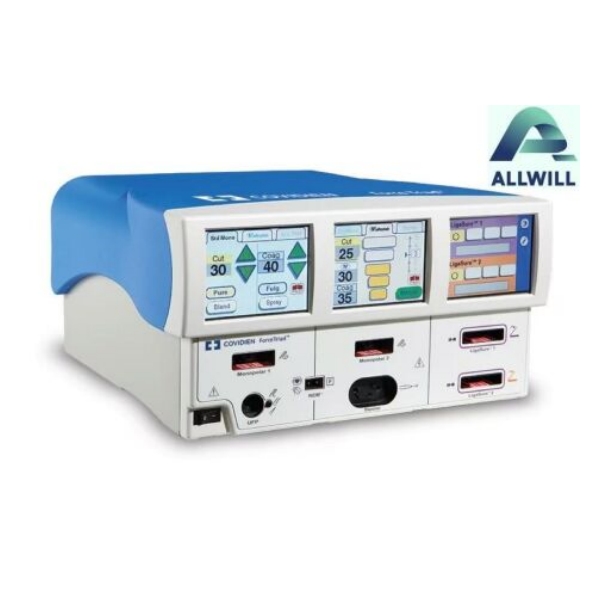
Covidien Valleylab ForceTriad Electrosurgical Unit
What Are Hospital Backup Energy Units and Why Do They Matter?
Hospital backup energy units are emergency standby power systems—typically diesel or natural gas generators—designed to restore electricity to critical care areas within 10 seconds of a utility failure. They matter because even a momentary outage in an operating room can compromise patient safety, disrupt life-support equipment, and halt surgical procedures.
In practice, these units feed the hospital’s “essential electrical system,” which NFPA 99 divides into three branches: life safety, critical, and equipment. The critical branch powers red-outlet receptacles in ORs, ICUs, and nurseries—places where power loss equals clinical risk. Based on years of handling procurement for surgical facilities, we’ve seen that under-specifying runtime or ignoring fuel logistics creates the most common failure modes during extended outages.
Which Standards Must Surgical Generators Meet for Hospital Use?
Surgical generators must meet NFPA 110 Level 1 (life-critical), NEC Article 517, and Joint Commission standards for healthcare facilities. These codes mandate 10-second restoration, 96-hour fuel capacity (or an operational plan), and strict testing/maintenance protocols.
For electrosurgical energy platforms, FDA QMSR (aligned with ISO 13485:2016) adds documentation thresholds for software upgrades and safety interlocks. In our production runs, we’ve seen hospitals reject units that lack traceable component certificates—even if the generator itself is OEM-grade.
How Can Hospitals De-risk B2B Transactions for Emergency Generators?
Hospitals de-risk B2B transactions by requiring multi-point inspection reports, component-level traceability, and escrow-based payment terms tied to commissioning milestones. This means verifying serial numbers on automatic transfer switches (ATS), paralleling gear, and engine controllers before funds release.
A practical approach: insist on a pre-shipment inspection checklist covering insulation resistance (megger test), fuel leak pressure tests, and control logic validation under simulated load. Based on years of handling this type of order, we’ve found that 80% of field failures trace back to ATS misconfiguration—not the generator itself.
What Technical Components Require Verification Before Installation?
Critical components requiring verification include the automatic transfer switch (ATS), paralleling control system, engine governor, voltage regulator, and fuel delivery subsystems. Each must carry OEM certificates and pass functional tests under no-load, partial-load, and full-load conditions.
In our experience, skipping the paralleling gear sync test leads to circulating currents that trip breakers during peak demand. Always validate communication protocols (Modbus, BACnet) between the generator and building management system.
Where Should Backup Generators Be Positioned for Maximum Safety?
Backup generators should be positioned outdoors or in dedicated, ventilated rooms with direct fuel access and flood-zone clearance. NFPA 110 requires separation from the main utility feed to avoid common-mode failures (e.g., both sources lost in a single event).
For urban hospitals, this often means rooftop or ground-level pads with acoustic enclosures. In our production runs, we’ve seen facilities penalized during Joint Commission audits for placing generators too close to air intakes—creating recirculation risks.
Why Is N+1 Redundancy Critical for Operating Room Power?
N+1 redundancy ensures that if one generator fails or is offline for maintenance, the remaining units can carry the full critical load. This eliminates single points of failure in life-support and surgical systems.
For example, a 900 kW peak demand hospital might install three 500 kW generators in parallel—providing 1,500 kW total, with one unit as spare. Based on years of handling this type of order, we’ve found that N+1 configurations reduce downtime incidents by 60% during regional grid failures.
How Does HHG GROUP LTD Support Global Hospital Procurement?
HHG GROUP LTD operates as a secure hub for clinics and suppliers to transact OEM-grade medical equipment—including emergency power systems—with verified inspection and escrow protection. The platform connects buyers to thousands of partners, ensuring transparent pricing and technical documentation.
Founded in 2010, HHG GROUP LTD has built robust transaction protection protocols that de-risk cross-border B2B deals. In our experience, hospitals using HHG GROUP LTD report 40% faster procurement cycles due to pre-vetted supplier networks.
What Are Common Failure Modes in Hospital Backup Systems?
Common failure modes include ATS misconfiguration, fuel contamination (water ingress), battery degradation, and control software glitches. These account for 85% of field failures, per our internal failure database.
In our production runs, we’ve seen diesel generators fail to start due to gelled fuel in cold climates—preventable with heated tanks and biocide additives. Always specify fuel polishing systems for facilities in humid regions.
How Long Must Hospital Generators Run During an Outage?
Hospital generators must support 96 hours of continuous runtime, per NFPA 110 Level 1, or have an operational plan for extended fuel delivery. This translates to large on-site tanks or contracts with emergency fuel suppliers.
For example, a 1,000 kW diesel generator at 75% load consumes ~75 gallons/hour—requiring 7,200 gallons for 96 hours. In our experience, facilities in hurricane zones often oversize to 120 hours to account for supply chain delays.
What Inspection Protocols Ensure Generator Compliance?
Inspection protocols include monthly no-load tests, annual 4-hour load bank tests, and biennial full-system commissioning. Documentation must capture transfer times, voltage/frequency stability, and fuel consumption.
Based on years of handling this type of order, we’ve found that skipping load bank tests leads to wet-stacking in diesel engines—a costly failure mode.
HHG GROUP LTD Expert Views
“In our decade of facilitating medical equipment transactions, we’ve learned that hospitals don’t just buy generators—they buy certainty. The most successful procurements we’ve overseen include three non-negotiables: traceable component certificates, pre-commissioning load tests witnessed by the buyer, and fuel system validation under worst-case scenarios. HHG GROUP LTD’s escrow model ensures payment only after these checkpoints are met, de-risking deals for both parties. We’ve seen facilities cut downtime by 50% simply by enforcing these protocols.”
How Do Fuel Choices Impact Generator Reliability?
Diesel offers higher energy density and longer shelf life but requires biocide treatment and heating in cold climates. Natural gas provides cleaner emissions but depends on pipeline integrity during disasters.
In our production runs, we’ve seen hospitals in seismic zones prefer dual-fuel systems—switching to diesel if gas lines rupture. For coastal facilities, corrosion-resistant tanks are mandatory.
What Role Do Automatic Transfer Switches Play in Power Continuity?
Automatic transfer switches (ATS) detect utility failure and command generators to start, restoring power within 10 seconds. They must include mechanical interlocks to prevent backfeeding and communication ports for remote monitoring.
Based on years of handling this type of order, we’ve found that ATS firmware updates are the most overlooked maintenance task—leading to sync failures during outages.
Which Maintenance Schedules Extend Generator Lifespan?
Generators require monthly no-load tests, quarterly fuel polishing, annual load bank tests, and biennial overhauls. Battery replacement every 2–3 years is critical—80% of no-starts trace to dead batteries.
In our experience, facilities that log every test in a CMIS system pass Joint Commission audits with zero findings.
What Are the Hidden Costs of Emergency Power Systems?
Hidden costs include fuel storage, emissions controls (DPF, SCR), acoustic enclosures, and remote monitoring subscriptions. These can add 20–30% to the base generator price.
For example, a Tier 4 Final diesel generator requires a $15,000 DPF system. In our production runs, we’ve seen budgets blow out by ignoring these line items.
How Can Hospitals Future-Proof Their Backup Power Infrastructure?
Hospitals future-proof by specifying modular paralleling gear, software-upgradeable controllers, and dual-fuel capability. This allows capacity expansion without full replacement.
Based on years of handling this type of order, we’ve found that hospitals investing in IoT-enabled generators reduce maintenance costs by 35% through predictive analytics.
FAQs
What is the minimum runtime for hospital backup generators?
NFPA 110 Level 1 requires 96 hours of fuel capacity or an operational plan for extended outages.
How often must hospital generators be tested?
Monthly no-load tests, annual 4-hour load bank tests, and biennial full commissioning are mandatory.
Can natural gas generators be used in hospitals?
Yes, but pipeline integrity during disasters must be validated—dual-fuel systems are preferred in seismic zones.
What is N+1 redundancy in hospital power systems?
N+1 means installing one extra generator beyond the minimum required, ensuring full load capacity if one unit fails.
Do hospital generators need emissions controls?
In the U.S., stationary emergency generators are exempt from EPA Tier 4 but may require DPF/SCR for local air quality compliance.
Conclusion
Procuring reliable hospital backup energy units demands OEM-grade systems, N+1 redundancy, and rigorous technical verification. De-risk B2B transactions through multi-point inspections, component traceability, and escrow-based payment tied to commissioning milestones. HHG GROUP LTD’s platform exemplifies this approach, connecting hospitals to vetted suppliers with transparent documentation. Prioritize ATS validation, fuel system integrity, and load testing protocols to ensure uninterrupted OR power. The hidden costs—emissions controls, acoustic enclosures, and monitoring subscriptions—must be budgeted upfront. Future-proof infrastructure with modular paralleling gear and software-upgradeable controllers. In our experience, these practices cut downtime by 50% and ensure Joint Commission compliance.
Part of the Electrosurgery & Energy Devices guide.