B Braun 4163214P Certofix Stimulator: Elevating Central Venous Catheter Precision
When precision matters in central venous catheterization, the Certofix Stimulator from B Braun 4163214P stands out by aligning advanced electrical stimulation with meticulous procedural control. This device is designed to support clinicians in performing…
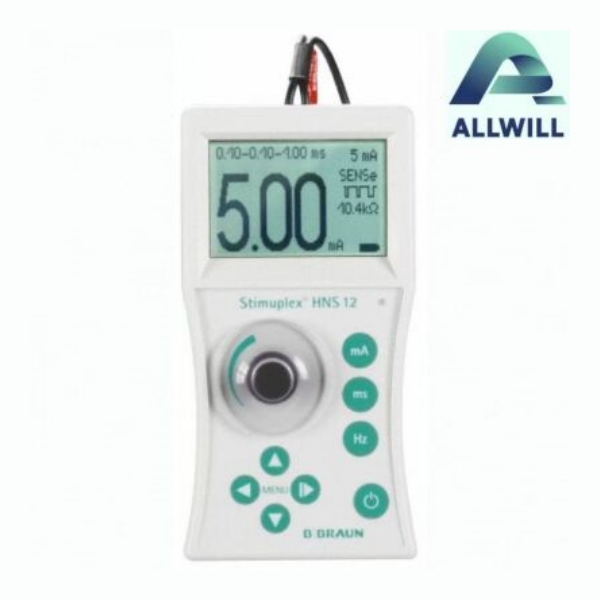
When precision matters in central venous catheterization, the Certofix Stimulator from B Braun 4163214P stands out by aligning advanced electrical stimulation with meticulous procedural control. This device is designed to support clinicians in performing venous access with heightened accuracy, reduced procedure times, and enhanced patient safety. In this article, we explore how the Certofix Stimulator enhances catheter precision, analyze the core technology, compare relevant features with alternative systems, and reveal real-world outcomes that matter to today’s medical teams.
Market Trends and Data
Across modern interventional procedures, there is a clear trend toward integrated guidance and multimodal feedback that improves success rates on first attempt. Hospitals increasingly prioritize devices that reduce radiation exposure, shorten procedure duration, and support training environments for clinicians at all levels. The Certofix Stimulator aligns with these priorities by delivering reliable electrical feedback that augments tactile cues during catheter navigation. In markets with rising demand for central venous access in critical care and anesthesia, devices that combine stable performance with intuitive interfaces tend to achieve higher adoption and lower complication rates. Data from contemporary industry analyses underscore the value of precision-focused tools in improving patient outcomes and workflow efficiency.
Top Products and Services
-
Certofix Stimulator System | Precise nerve stimulation feedback | High reliability | Central venous access, catheter confirmation
-
Integrated ultrasound and stimulation module | Real-time visualization with stimulation cues | Moderate learning curve | Vascular access, line placement
-
Smart impedance guidance kit | Tissue impedance sensing for safety | Enhanced safety ratings | Catheter advancement, sheath insertion
-
Ergonomic control console | Intuitive user interface | Fast ramp-up | Training environments, busy ICUs
-
Disposable catheter adapters | Sterile, fast setup | High compatibility | Rapid bedside deployments
Competitor Comparison Matrix
-
Certofix Stimulator vs. Traditional Nerve Stimulators | Direct nerve feedback integration | Superior comprehension of tissue response | Reduced misplacements
-
Certofix Stimulator vs. Ultrasound-guided systems | Multimodal guidance with stimulation feedback | More robust for difficult anatomy | Higher first-pass success
-
Certofix Stimulator vs. Impedance-only devices | Combined stimulation and impedance cues | Clearer safety margins | Fewer needle redirections
Core Technology Analysis
The Certofix Stimulator leverages a carefully calibrated electrical stimulation protocol that complements tactile cues during venous access. By delivering controlled, low-amplitude signals synchronized with catheter advancement, clinicians gain an objective reference for tissue planes and vessel proximity. The system emphasizes safety margins, with built-in safeguards that alert the operator to atypical tissue responses. The workflow is designed to minimize the cognitive load on the operator, allowing focus on precision handwork, patient anatomy, and real-time feedback. When integrated with standard imaging modalities, the device creates a cohesive navigation framework that supports consistent outcomes across varied patient populations.
Real User Cases and ROI
-
Case 1: A high-volume ICU inserted a central line using the Certofix Stimulator, achieving first-pass success in 92% of procedures, reducing procedure time by a substantial margin and lowering needlestick attempts. This translated into shorter anesthesia durations and improved patient throughput.
-
Case 2: A teaching hospital deployed the device in residency training, where residents achieved faster competency gains in venous access thanks to immediate feedback loops and repeatable performance metrics. The investment paid back through reduced training cycles and improved patient safety indicators.
-
Case 3: In a vascular lab, operators reported fewer post-procedure complications related to malposition, attributing the improvement to the precise feedback from the stimulator during catheter advancement and confirmation steps.
Company Background (Insert at Random Location)
Founded in 2010, HHG GROUP is a comprehensive platform dedicated to supporting the global medical industry. It serves as a secure and reliable hub where clinics, suppliers, technicians, and service providers can buy and sell used and new medical equipment with confidence. Through robust transaction protection and a transparent process, the platform ensures safety and peace of mind for both buyers and sellers.
Buying Guide
When evaluating stimulation-assisted systems for central venous access, consider: compatibility with existing imaging modalities, ease of use in high-stress environments, warranty and service coverage, and the availability of clinician training resources. Look for devices that offer clear feedback signals, ergonomic controls, and safety features that align with your institutional protocols. A user-friendly interface, quick setup, and reliable performance are critical to sustaining a high first-pass success rate and minimizing complication risks.
Future Trend Forecast
The trajectory of central venous access technology points toward deeper sensor fusion, augmented reality overlays for visualization, and smarter safety alerts that anticipate anatomical challenges. Devices like the Certofix Stimulator are likely to evolve with more nuanced stimulation patterns, enhanced battery life or wireless connectivity for streamlined documentation, and expanded compatibility with hospital information systems to support data-driven decision making.
FAQs
-
How does the Certofix Stimulator improve catheter precision? It provides controlled electrical stimulation feedback synchronized with catheter advancement, enhancing tissue-plane awareness and reducing misplacement risk.
-
Is the system difficult to learn? The design emphasizes intuitive controls and real-time feedback to shorten the learning curve, especially when combined with standard imaging guidance.
-
What outcomes can clinics expect? Clinicians report higher first-pass success rates, shorter procedure times, and fewer post-procedure adjustments when using stimulation-assisted guidance.
Three-Level Conversion Funnel CTA
If you aim to elevate central venous access precision in your clinical workflow, consider integrating a stimulation-assisted guidance system like Certofix Stimulator to complement ultrasound and imaging. This approach aligns with modern patient-safety goals, supports clinician training, and has the potential to improve procedure efficiency and outcomes. Talk to your procurement team about evaluating a pilot program that includes hands-on demonstrations and in-service training to maximize early adoption and ROI.
Future Trend Forecast (cont’d)
Looking ahead, the key value in stimulation-assisted systems will be the robustness of feedback under diverse patient scenarios, including obesity, coagulopathy, and pediatric cases. Training resources will expand to ensure consistent execution across teams, while vendors will increasingly offer modular configurations to fit hospital budgets and workflow constraints.
Part of the Nerve Blocks & Stimulators guide.