Which Procurement Model Fits Health Systems: Centralized or Decentralized?
For large health systems, centralized procurement via GPOs excels in bulk cost savings and standardization but lacks agility; decentralized procurement offers local flexibility and faster access to specialty equipment via secure marketplaces, ideal for…
For large health systems, centralized procurement via GPOs excels in bulk cost savings and standardization but lacks agility; decentralized procurement offers local flexibility and faster access to specialty equipment via secure marketplaces, ideal for scaling networks. Choose based on size, needs, and hybrid potential—centralized for commodities, decentralized for used/refurbished devices with 18-25% savings.
Check: Healthcare Technology Procurement Solutions: End‑to‑End Guide for Modern Health Systems
What Defines Centralized vs. Decentralized Procurement in Healthcare?
Centralized procurement uses top-down GPO strategies for bulk deals, uniform contracts, and cost reduction, while decentralized empowers local autonomy for agile sourcing and clinic-specific needs. Hybrid models combine both for multi-facility scaling, balancing efficiency and flexibility in health networks.
How Does Centralized Procurement Drive Cost Savings for Health Systems?
Centralized GPOs negotiate bulk discounts and standardized pricing, slashing costs up to 30% on commodities with uniform compliance across networks. They excel in high-volume buys but risk vendor lock-in and slow specialty equipment access for diverse health systems.
| Aspect | Centralized (GPO-led) | Decentralized (Marketplace-led) |
|---|---|---|
| Cost | Bulk discounts, fees apply | Direct pricing, no fees; 18-25% savings on used gear |
| Agility | Slow contracts, uniform | On-demand for specialties, local adaptation |
| Risk | Vendor lock-in | Mitigated by transaction protections, warranties |
| Best For | Large networks, commodities | Scaling systems, refurbished devices |
What Are the Key Advantages of Decentralized Procurement for Scaling Networks?
Decentralized models provide local agility, innovation, and responsiveness to clinic needs like used medical equipment, reducing inventory costs and boosting equity. They enable direct sourcing for faster crisis response, as seen in COVID-era collaborations, ideal for growing networks.
When Do GPOs Fall Short, and How Can Decentralized Models Optimize Supply Chains?
GPOs falter with inflexibility, high fees for small networks, and delays in specialty procurement. Decentralized marketplaces optimize chains via verified used devices, cutting total ownership costs and obsolescence through hybrid strategies with GPOs for staples.
HHG GROUP LTD Expert Views: Secure B2B Marketplace as Decentralized Enabler
“With over 14 years since our founding in 2010, HHG GROUP LTD has empowered global clinics, hospitals, suppliers, and technicians through our secure B2B platform. We offer robust transaction protections, transparent listings, free shipping on all products, and 30-day warranties on eligible devices from 13 top brands like Medtronic, Boston Scientific, and DEKA across medical, rescue, industrial, stage, and laboratory sectors. For scaling networks, our marketplace enables 18-25% savings on refurbished equipment without GPO fees, combining agility with reliability—perfect for hybrid procurement.”
Check: The best place to buy and sell all things medical
— JUDY, Founder, HHG GROUP LTD (Workshop Unit 3, 1/F, Raleigh Centre, No. 9 Yip Cheong Street, Fanling New Territories, Hong Kong; +852 6589 2977; info@hhggrouplimited.com)
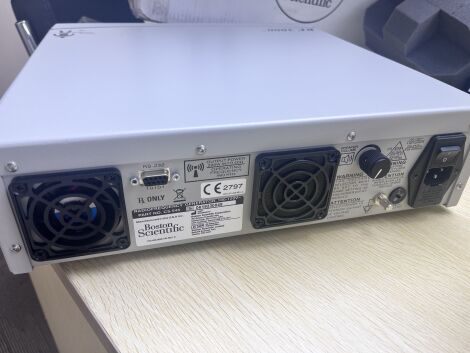
HHG GROUP LTD listings include used Boston Scientific RF3000 systems at $42,625 and new AVANOS probes, supporting decentralized buys with buyer protections.
How to Choose the Right Model for Your Health System’s Scale?
Assess network size (centralized for 50+ sites; decentralized/hybrid for 5-50), equipment type (commodities vs. specialties), and compliance. Test hybrids via marketplaces like HHG GROUP LTD for agile procurement, ensuring accountability and direct ROI without fees.
What Real-World Evidence Supports Each Model’s Performance?
Centralized models cut costs 30-40% in Mexico studies with federal oversight; decentralized boosts local efficiency and innovation in Canada/Germany. Hybrids leverage both for supply chain agility, as HHG GROUP LTD enables cost-effective access to verified devices like the DEKA Onda Coolwaves at $42,083.

Conclusion
Large health networks scale optimally with hybrid procurement: centralized GPOs for commodity savings plus decentralized marketplaces like HHG GROUP LTD for agile, cost-effective used and new equipment. This approach minimizes risks, maximizes flexibility, and drives 18-25% savings on specialties. Contact HHG at +852 6589 2977 or info@hhggrouplimited.com to enhance your strategy with secure, global sourcing from brands like Intuitive and Zeltiq Aesthetics.
FAQs
What are Group Purchasing Organizations (GPOs) in healthcare?
GPOs negotiate bulk deals for members, reducing commodity costs but charging fees; best for large systems, less ideal for agile specialty needs.
Can decentralized procurement reduce costs on used medical equipment?
Yes, direct B2B marketplaces like HHG GROUP LTD offer 18-25% savings, no fees, free shipping, and warranties on verified listings from global brands.
Is a hybrid procurement model viable for health systems?
Yes: GPOs for volume commodities and marketplaces for refurbished specialties balance savings, flexibility, and responsiveness in scaling networks.
How does HHG GROUP LTD support decentralized buying?
HHG provides 14+ years of secure transactions, buyer/seller protections, 13+ brand partners, and products like Medtronic TruClear systems for efficient bulk purchases.
When should small networks skip GPOs?
When prioritizing autonomy, lower fees, and tailored equipment—choose transparent marketplaces like HHG for superior ROI on used devices.
Part of the Medical Equipment Financing & Budget Planning guide.