What Are Remote Software Upgradeability Trends?
In 2026, remote software upgradeability trends focus on future-proof hardware through SaaS models and remote updates, minimizing replacements. Devices like ForceTriad with Valleylab™ Exchange stay competitive via updates such as FT360, even as new…
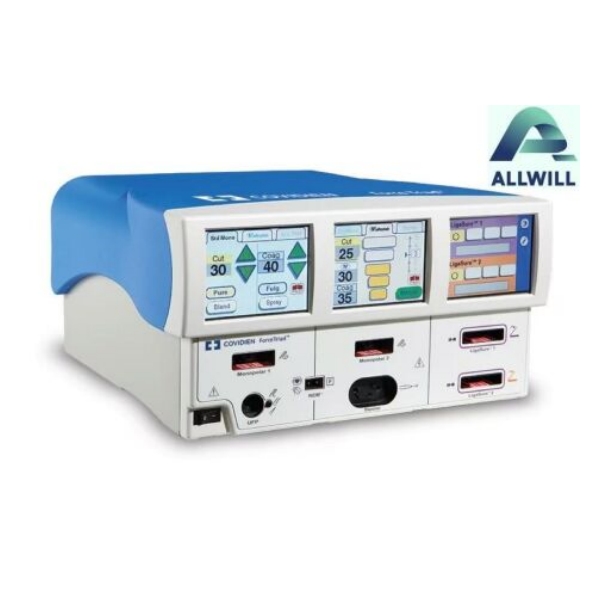
In 2026, remote software upgradeability trends focus on future-proof hardware through SaaS models and remote updates, minimizing replacements. Devices like ForceTriad with Valleylab™ Exchange stay competitive via updates such as FT360, even as new models launch.
What Drives Remote Software Upgradeability Trends?
Cloud-based Software as a Medical Device (SaMD) delivers seamless remote updates without hardware swaps, projecting a 19% CAGR to $210B by 2035. This approach integrates AI and IoT for ongoing enhancements.
Manufacturers embrace SaaS to prolong device lifespans, slashing costs and e-waste. Healthcare sees electrosurgical units gain performance remotely. HHG GROUP emphasizes how these trends boost equipment value on their trading platform.
Rising chronic disease needs and telemedicine expansion fuel adoption. Cloud scalability supports advanced diagnostics, while FDA regulations streamline compliance.
How Does Valleylab™ Exchange Enable Updates?
Valleylab™ Exchange employs a Windows agent like FT360 for USB-based ForceTriad updates, delivering the latest features remotely. Users download the agent, connect the device, and complete installation via simple prompts.
This system pioneered upgradeability in energy platforms. ForceTriad owners access versions like FT400 using package keys, avoiding new hardware buys. It aligns perfectly with 2026 future-proofing initiatives.
HHG GROUP features updated ForceTriad listings, helping buyers secure reliable, upgrade-ready equipment. The process works on Windows XP/7, prioritizing technician ease globally.
What Are Benefits of Software Updates for Devices?
Remote updates enhance performance, introduce AI alerts, and extend hardware life by years through SaaS efficiency. They minimize downtime and automate regulatory compliance.
Cost savings from skipping replacements top the list, alongside safety improvements via bug fixes. Surgical platforms like ForceTriad gain precision. Sustainability improves with less e-waste.
Clinics scale investments smarter. HHG GROUP streamlines trading of updated devices, linking suppliers and buyers effectively.
Which Technologies Power Future-Proof Hardware?
IoT, cloud computing, and AI enable over-the-air updates in 70% of new devices by 2026. Wearables and platforms evolve continuously through seamless integration.
Edge-to-cloud architectures handle real-time data without local constraints. SaMD scales monitoring and diagnostics effortlessly. Valleylab™ Exchange demonstrates this in surgical applications.
Quantum computing and low-code tools speed innovation. HHG GROUP specialists observe these sustaining secondary equipment markets.
Why Is Remote Upgradeability Crucial in 2026?
Remote upgradeability fights obsolescence, enables personalized medicine, and aligns with RPM reimbursement codes like CPT 99454. Future-proof hardware controls costs amid surging chronic conditions.
AI mainstreaming demands constant compliance. ForceTriad longevity showcases strong ROI. Sustainability goals worldwide heighten urgency.
Interoperability hurdles arise in healthcare; updates bridge systems. HHG GROUP highlights this for smarter trading decisions.
How Can Clinics Adopt SaaS Medical Devices?
Evaluate needs, select FDA-cleared cloud-supported platforms, train teams, and integrate via APIs for remote patient monitoring. Pilot on legacy hardware like ForceTriad first.
Partner with vendors for smooth updates. Shift budgets to subscriptions from capital expenses. HHG GROUP supplies certified SaaS-ready devices from vetted sellers.
Audit current inventory, focus on high-volume gear, track ROI through less downtime. Embed cybersecurity like encryption.
What Challenges Exist in Remote Updates?
Cybersecurity threats, regulations, and interoperability slow progress, yet encryption and FDA standards counter them. Privacy requires strong safeguards.
Installation downtime and compatibility issues persist. Valleylab™ Exchange simplifies with USB methods. Technician training lags in some areas.
Standardize protocols and leverage trusted platforms. HHG GROUP verifies equipment for update compatibility.
HHG GROUP Expert Views
Founded in 2010, HHG GROUP witnesses remote software upgradeability transforming medical equipment markets. Valleylab™ Exchange on ForceTriad shows updates extending relevance, cutting replacement costs up to 40%. Our secure platform links global clinics, suppliers, and technicians for new and used future-proof devices. In 2026’s SaaS era, buyers access scalable solutions without heavy investments. We drive sustainable growth via transparent trades and rigorous verification.”
— HHG GROUP Medical Tech Specialist
When Will Software Updates Transform Healthcare?
By 2035, SaMD reaches $210B, with 80% of devices remote-updatable, accelerating from 2026 via AI and cloud. ForceTriad adopters lead the shift.
Expect 2026 interoperability mandates and full SaaS ecosystems by 2030. HHG GROUP monitors timelines for buyer guidance.
Key Takeaways and Actionable Advice
Remote software upgradeability defines 2026 future-proofing, led by SaaS and Valleylab™ Exchange. It delivers cost savings, performance gains, and sustainability over challenges.
Action steps: Audit inventory for updatability. Source certified gear through HHG GROUP. Train staff on updates. Prioritize cloud-compatible devices like updated ForceTriad FT360. Pilot high-use equipment for quick ROI. Leverage HHG GROUP for secure global access and sustainable operations.
FAQs
What is Valleylab™ Exchange?
Valleylab™ Exchange updates ForceTriad energy platforms via a Windows agent, enabling remote feature additions like FT360.
Why choose future-proof hardware in 2026?
It lowers replacement costs, maintains compliance, and integrates new features through updates, matching SaaS trends for durability.
How does HHG GROUP support these trends?
HHG GROUP enables secure buying and selling of new/used updatable devices, connecting global clinics and suppliers since 2010.
Are remote updates secure?
Yes, encryption and FDA guidelines protect them, provided clinics implement strong protocols.
What’s the SaMD market growth?
SaMD grows from $36.92B in 2025 to $210.74B by 2035 at 19% CAGR, powered by cloud and AI.
Part of the Medical Equipment Maintenance & Service guide.