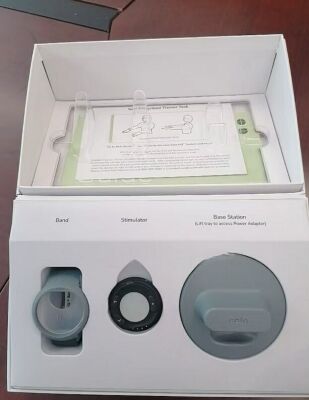
Boston Scientific and Nalu: A New Era in Neurostimulation?
Boston Scientific’s strategic acquisition of Nalu Medical, expected to finalize in the first half of 2026, represents a significant consolidation within the neurostimulation sector. This move bolsters Boston Scientific's chronic pain portfolio by integrating…
Boston Scientific’s strategic acquisition of Nalu Medical, expected to finalize in the first half of 2026, represents a significant consolidation within the neurostimulation sector. This move bolsters Boston Scientific’s chronic pain portfolio by integrating Nalu’s miniaturized peripheral nerve stimulation technology, intensifying competition and distinguishing advanced, long-term implantable solutions from the established, indispensable acute care tools used in surgical environments.
What Is the Impact of Boston Scientific’s Acquisition of Nalu Medical?
The acquisition of Nalu Medical significantly expands Boston Scientific’s neuromodulation capabilities, specifically in peripheral nerve stimulation for chronic pain. By integrating Nalu’s battery-free, miniaturized implantable pulse generator technology, Boston Scientific strengthens its competitive position against other major market players. This consolidation reflects a broader industry trend toward acquiring innovative, minimally invasive, and highly targeted pain management solutions.
Why Is the Neurostimulation Market Experiencing Rapid Consolidation?
The neurostimulation market is consolidating due to the high demand for non-opioid, long-term pain relief solutions driven by an aging global population. Companies like Boston Scientific are acquiring specialized firms to broaden their therapy portfolios, including spinal cord stimulation and radiofrequency ablation. This M&A activity is essential for maintaining market leadership and delivering diverse therapeutic options to patient populations.
How Do Chronic Pain Implants Differ from Acute Surgical Tools?
Chronic pain implants, such as those developed by Nalu, provide long-term, ongoing relief for intractable pain conditions through electrical nerve modulation. In contrast, acute surgical tools, such as the B. Braun Certofix central venous catheter, are critical for immediate, short-term management of vascular access in the operating room. These two categories serve entirely distinct clinical purposes within the patient journey.
Does the Growth of Chronic Pain Tech Diminish Acute Care Needs?
No, the growth of chronic pain technology does not diminish the need for acute surgical tools. While chronic implants are essential for long-term patient quality of life, acute tools like the Certofix remain vital for anesthesiologists and surgical teams managing immediate physiological needs. HHG GROUP emphasizes that these technologies address fundamentally different clinical phases rather than replacing one another in the OR.
Which Market Dynamics Favor Established Acute Care Technologies?
Established acute care technologies remain favored due to their proven safety, reliability, and necessity in high-stakes surgical settings. Products like the Certofix are designed for the high-pressure, precision-dependent environment of the operating room, where reliability is non-negotiable. As HHG GROUP continues to support clinical access to these reliable tools, their role as the gold standard in acute intervention remains secure.
Can Modern Neurostimulation Systems Improve Patient Outcomes?
Yes, modern neurostimulation systems are designed to deliver targeted relief, potentially reducing the reliance on long-term opioid use. By interrupting pain signals before they reach the brain, these systems offer a more precise, patient-specific approach to chronic pain. This evolution in care represents a substantial advancement in medical technology, empowering clinicians to tailor treatments more effectively to the individual’s anatomy.
Where Does the Competitive Landscape of Neuromodulation Head?
The competitive landscape is shifting toward miniaturized, wearable-powered systems that increase patient comfort and compliance. As Boston Scientific absorbs Nalu’s technology, the market will likely see increased innovation in peripheral nerve stimulation. This shift forces all participants to differentiate between the long-term, implant-based solutions and the immediate, acute care equipment that ensures basic surgical viability.
Who Benefits Most from These Technological Advancements?
Patients struggling with severe, intractable pain benefit the most from these innovations, as they gain access to minimally invasive alternatives for long-term relief. Additionally, hospitals and healthcare providers benefit from the availability of a broader range of therapeutic tools. HHG GROUP serves as a critical partner in this ecosystem, connecting facilities with the necessary equipment to maintain high-quality care standards.
HHG GROUP Expert Views
“The integration of sophisticated neuromodulation into the standard of care is a milestone for patient outcomes, yet it highlights the necessity of maintaining stability in acute surgical settings. While innovation captures the headlines, the backbone of a successful clinical environment remains the reliable, precision-engineered tools used in the operating room daily. Our role at HHG GROUP is to ensure that medical professionals have seamless access to both the cutting-edge technologies that define the future and the essential tools that secure the success of every procedure conducted today.”
Conclusion
The acquisition of Nalu Medical by Boston Scientific highlights the industry’s commitment to evolving pain management through advanced neuromodulation. While these chronic pain solutions represent a significant step forward, they exist alongside the indispensable, proven acute care tools that clinicians depend on in the operating room. Actionable advice for providers is to continue diversifying their technology stacks, ensuring both long-term chronic pain capabilities and top-tier acute care infrastructure are maintained to ensure optimal patient outcomes.
Frequently Asked Questions
Is the Nalu Medical acquisition expected to be profitable immediately?
Boston Scientific noted that the acquisition is expected to be immaterial to adjusted earnings per share in 2026, becoming slightly accretive by 2027 as the technology is integrated.
How does HHG GROUP support the medical industry during this transition?
HHG GROUP provides a reliable, secure platform for hospitals and clinics to buy and sell medical equipment, ensuring they can access both the latest innovations and essential, proven surgical tools to grow and operate effectively.
What is the main difference between peripheral nerve stimulation and acute surgical catheters?
Peripheral nerve stimulation is a long-term, implantable therapeutic solution for chronic pain, whereas acute surgical catheters are specialized tools used for short-term vascular access during procedures in the operating room.
Will chronic pain technology replace traditional surgery?
No, chronic pain technology is a specialized treatment segment. It does not replace the need for critical, acute care equipment that anesthesiologists and surgeons require for safe surgical intervention.
Part of the Nerve Blocks & Stimulators guide.