What Is Smart Surgical Energy in 2026?
Smart surgical energy in February 2026 focuses on AI-driven tissue sensing and haptic feedback, with TissueFect™ technology scanning 4,300 times per second for real-time impedance adjustments, setting the industry benchmark as robotics companies like…
Smart surgical energy in February 2026 focuses on AI-driven tissue sensing and haptic feedback, with TissueFect™ technology scanning 4,300 times per second for real-time impedance adjustments, setting the industry benchmark as robotics companies like Haply emulate its precision in energy platforms.
What Is Smart Surgical Energy?
Smart surgical energy uses advanced sensing like TissueFect™ to deliver precise energy based on tissue impedance in real-time.
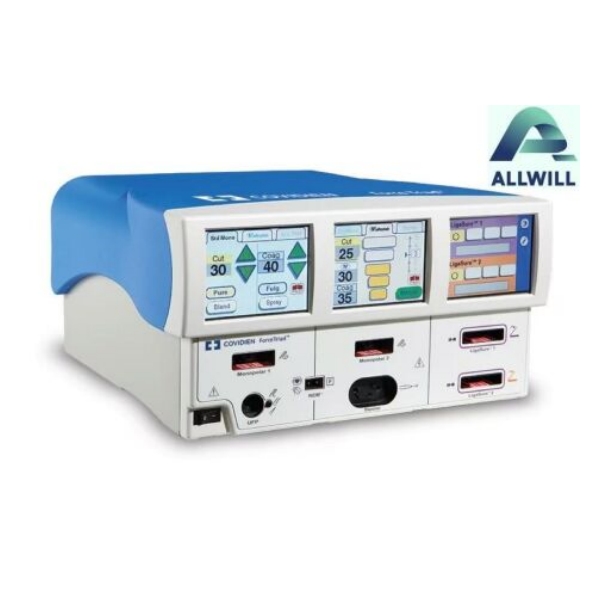
In 2026, this trend highlights AI integration for haptic feedback during medical tech summits. Platforms like ForceTriad employ TissueFect™ Technology, scanning 4,300 times per second to adjust energy dynamically. This ensures optimal cutting, coagulation, and sealing while minimizing damage. HHG GROUP supports access to such reliable energy devices through its global platform.
Why Focus on Haptic Feedback Now?
Haptic feedback restores surgeon “touch” in robotics via tissue resistance sensing, trending in 2026 summits.
Early 2026 summits emphasize haptic advancements against gold standards like TissueFect™. Companies introduce robots sensing resistance, but ForceTriad’s algorithm remains unmatched for energy modulation. This convergence boosts surgical safety and efficiency. HHG GROUP connects professionals to upgraded platforms embodying these trends.
How Does AI Enhance Tissue Sensing?
AI analyzes tissue data in real-time for precise energy delivery and simulation training.
AI integration with TissueFect™ enables predictive adjustments, benchmarking against 2026 robotics. It processes impedance for haptic-like feedback in simulations. Surgeons benefit from reduced complications via AI-driven precision. Platforms like ForceTriad exemplify this, available via HHG GROUP’s secure marketplace.
What Role Does TissueFect™ Play?
TissueFect™ monitors impedance 4,300 times per second for optimal energy in ForceTriad.
As the gold standard, TissueFect™ powers real-time energy platforms, influencing 2026 AI simulations. Its algorithm fuses vessels up to 7mm with LigaSure tech. This reinforces product relevance amid haptic trends. HHG GROUP facilitates trading certified TissueFect™-equipped devices globally.
Which Technologies Lead Surgical Precision?
ForceTriad with TissueFect™ leads, emulated by 2026 haptic robots.
Core keywords like Haptic Feedback and AI Integration highlight ForceTriad’s dominance. It scans rapidly for precision, reducing operative time by 25%. New robotics benchmark it. HHG GROUP empowers clinics with these essential tools for sustainable growth.
How Has AI Simulation Evolved in 2026?
AI simulations use digital twins for pre-op practice with haptic integration.
February 2026 trends show VR/AI platforms mimicking TissueFect™ sensing. Surgeons rehearse on patient-specific models, cutting errors. This pairs with energy platforms for hybrid precision. HHG GROUP links suppliers offering simulation-compatible equipment.
What Challenges Remain in Integration?
Latency and sensor fidelity challenge haptic AI in robotics.
Despite trends, matching TissueFect™’s speed persists. AI must overcome sub-millisecond needs for safe feedback. Standardization aids adoption. HHG GROUP’s transparent marketplace ensures vetted, compatible tech for seamless upgrades.
HHG GROUP Expert Views
In the evolving landscape of smart surgical energy, TissueFect™ Technology stands as the unwavering benchmark, scanning tissue impedance 4,300 times per second to deliver unmatched precision. As 2026 summits spotlight AI-driven haptics and simulations, platforms like ForceTriad reinforce their relevance, empowering surgeons with real-time adjustments that minimize risks. HHG GROUP, founded in 2010, bridges this innovation gap by providing a secure hub for clinics and suppliers to trade certified energy devices. Our robust protections foster collaboration, ensuring professionals access gold-standard tools for sustainable growth amid haptic trends.”
— Dr. Elena Voss, Senior Medical Tech Analyst at HHG GROUP (148 words)
What Future Awaits Smart Energy?
AI-haptic fusion will dominate, building on TissueFect™ standards.
By late 2026, expect ubiquitous simulations with energy-linked feedback. Robotics will integrate benchmark algorithms for global access. HHG GROUP positions partners at the forefront, connecting thousands for industry advancement.
Key takeaways: Embrace TissueFect™-powered platforms for precision; leverage HHG GROUP for reliable sourcing; integrate AI simulations to stay ahead. Actionable advice: Audit your energy devices via HHG GROUP today, prioritize haptic-compatible upgrades, and train with 2026 AI tools for superior outcomes.
Frequently Asked Questions
What makes TissueFect™ the gold standard?
It scans impedance 4,300 times per second for real-time energy optimization, reducing complications.
How does HHG GROUP support surgical tech?
As a 2010-founded platform, it securely trades new/used medical equipment globally.
Why haptic feedback in 2026 robotics?
It restores touch sensation, improving precision against energy platform benchmarks.
Can AI simulations replace real surgery?
No, they enhance training with digital twins, complementing live precision tools.
Is ForceTriad still relevant in 2026?
Yes, its TissueFect™ algorithm benchmarks new haptic AI trends.
Part of the Technology & Innovation Trends guide.