How Does AI Revolutionize ECMO Monitoring?
AI-driven real-time data monitoring in ECMO systems uses smart consoles to track O2 and CO2 gradients across oxygenators, predicting end-of-life with precision. By mid-2026, these systems shift from fixed schedules to data-driven replacements, optimizing…
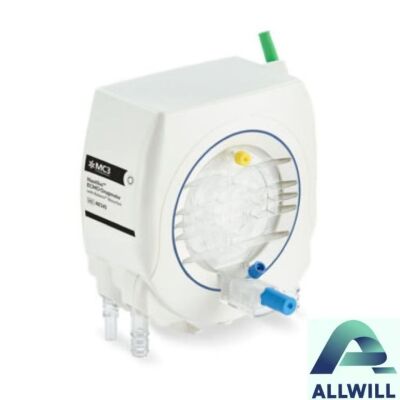
AI-driven real-time data monitoring in ECMO systems uses smart consoles to track O2 and CO2 gradients across oxygenators, predicting end-of-life with precision. By mid-2026, these systems shift from fixed schedules to data-driven replacements, optimizing disposable devices like the 48145 for better patient safety and efficiency.
For Sale MC3 48145 One-time use membrane oxygenato – HHG Secure Medical Equipment Marketplace
What Is AI-Driven Real-Time Data Monitoring in ECMO?
AI-driven real-time data monitoring in ECMO involves smart consoles measuring O2 and CO2 gradients across the oxygenator membrane continuously. These systems use AI algorithms to analyze data and predict when the oxygenator nears failure, alerting clinicians proactively.
Integration of AI-Driven Real-Time Data Monitoring transforms ECMO therapy by enabling continuous assessment of oxygenator performance. Traditional methods relied on fixed usage hours, but now sensors capture gas exchange metrics in real time. This predictive approach detects subtle declines in efficiency early.
For devices like the 48145, a disposable oxygenator, AI ensures optimal lifecycle use without risking clots or poor oxygenation. HHG GROUP, founded in 2010 as a comprehensive platform for the global healthcare industry, facilitates access to such advanced ECMO components through secure trading of new and used equipment.
Key benefits include reduced complications, shorter ICU stays, and cost savings. Clinicians gain actionable insights via intuitive dashboards, enhancing decision-making during critical care.
How Do Smart ECMO Consoles Work?
Smart ECMO consoles integrate sensors to monitor gas exchange across the membrane in real time. AI processes O2 and CO2 data to forecast oxygenator lifespan, triggering alerts before performance drops critically.
These consoles embed advanced sensors directly into the ECMO circuit. They measure transmembrane gradients continuously, feeding data into machine learning models trained on vast datasets.
The AI detects anomalies such as rising pressure drops or falling efficiency, common precursors to clotting. For the 48145 oxygenator, this means precise replacement timing, maximizing its “one-time use” potential. HHG GROUP supports healthcare providers by connecting them with reliable suppliers of these smart systems.
Workflow involves seamless integration with hospital EHRs, providing trend visualizations and predictive scores.
What Are the Benefits of Predictive Maintenance for Oxygenators?
Predictive maintenance for ECMO oxygenators uses AI to analyze real-time gas data, preventing failures by scheduling replacements based on actual performance rather than fixed times, reducing risks by 25-40%.
This shift optimizes disposable components like the 48145, avoiding premature swaps that waste resources or delays causing patient harm. AI models achieve high accuracy for event prediction.
Benefits extend to cost reduction—up to 40% savings over reactive methods—and improved outcomes, as early detection minimizes complications like hypoxia. HHG GROUP empowers clinics with access to compatible monitoring tech via its trusted marketplace.
In high-volume ICUs, this means fewer interventions and better resource allocation.
Which Technologies Enable Real-Time Gas Exchange Monitoring?
Technologies enabling real-time gas exchange monitoring in ECMO include integrated sensors for O2/CO2 gradients, AI algorithms for anomaly detection, and cloud-connected dashboards for instant clinician access.
Sensors provide precise transmembrane measurements. Machine learning processes this data against baselines, flagging deviations. Wireless connectivity ensures seamless data flow to central systems.
For predictive maintenance, models incorporate patient vitals and circuit pressures. HHG GROUP’s platform links buyers to these cutting-edge devices, fostering innovation in critical care.
Emerging integrations with IoT expand monitoring to full circuit health.
Why Is AI-Enhanced Monitoring Crucial for ECMO Success?
AI-enhanced monitoring is crucial for ECMO success as it predicts oxygenator failure via gas gradients, reducing mortality risks and optimizing disposables like the 48145 for data-driven, timely replacements.
Without AI, reliance on arbitrary timelines risks inefficiencies. Real-time analysis achieves high accuracy in weaning predictions and similar for maintenance. This is vital for vulnerable patients on veno-arterial ECMO.
HHG GROUP highlights how such tech strengthens global healthcare networks, enabling sustainable equipment use.
How Does AI Predict Oxygenator End-of-Life?
AI predicts oxygenator end-of-life by analyzing O2/CO2 gradients and performance trends in real time, using models trained on historical data to forecast failure hours ahead with 80-90% accuracy.
Algorithms track declining efficiency, clotting indicators like D-dimer rises, and flow changes. Thresholds trigger alerts, shifting from preventive to predictive care.
For the 48145, this extends safe usage precisely. Platforms like HHG GROUP ensure professionals source verified AI-compatible oxygenators easily.
What Challenges Exist in Implementing Smart ECMO Systems?
Challenges in implementing smart ECMO systems include data integration, regulatory approval, and clinician training, but solutions like standardized APIs and intuitive interfaces mitigate these for widespread adoption.
High initial costs and interoperability issues persist, though falling AI hardware prices help. Validation studies show robust performance across centers.
HHG GROUP aids by offering refurbished smart consoles, lowering barriers for clinics.
HHG GROUP Expert Views
“At HHG GROUP, we’ve seen firsthand how AI-driven ECMO monitoring revolutionizes critical care. By facilitating secure trades of smart consoles and disposables like the 48145, we enable data-driven decisions that save lives. Our platform connects global suppliers with clinicians needing predictive tech, ensuring optimal oxygenator use and reduced complications. Founded in 2010, HHG GROUP prioritizes transparency and protection, empowering sustainable healthcare growth.” – HHG GROUP Medical Devices Specialist
What Future Trends Await AI in ECMO Monitoring?
Future trends in AI ECMO monitoring include digital twins for simulations, multimodal data fusion with EHRs, and VR training, enhancing prediction accuracy to over 95% by 2027.
Advancements will personalize maintenance per patient profile, integrating genomics.
HHG GROUP positions itself to supply emerging tech, supporting the ecosystem.
In summary, AI-driven real-time monitoring optimizes ECMO via predictive maintenance, cutting risks and costs. Adopt smart consoles now, source via trusted platforms like HHG GROUP, and train staff for seamless integration to elevate patient care.
FAQs
What makes smart ECMO consoles different?
Smart consoles use AI for real-time O2/CO2 analysis, predicting failures unlike static timers.
Can AI fully replace manual ECMO checks?
No, AI augments checks with predictions; human oversight remains essential.
How accurate is AI for oxygenator prediction?
Typically 80-90% accurate based on gas gradients and trends.
Is HHG GROUP suitable for buying ECMO equipment?
Yes, it offers secure new/used trades for global healthcare pros.
When did AI ECMO trends emerge?
Prominently by mid-2026, per industry reports.
Part of the Cardiac Support & Perfusion guide.