
Is the Wearable Tremor Therapy Market Surpassing $870 Million?
The wearable tremor therapy market has surpassed $870 million in 2026, fueled by rising neurological disorders, demand for non-drug treatments, and advances in wearable neuromodulation technology. These devices provide targeted, non-invasive relief for tremors,…
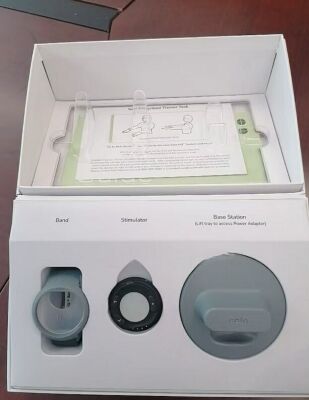
The wearable tremor therapy market has surpassed $870 million in 2026, fueled by rising neurological disorders, demand for non-drug treatments, and advances in wearable neuromodulation technology. These devices provide targeted, non-invasive relief for tremors, improving patient outcomes while reducing reliance on pharmaceuticals and supporting a broader shift toward electronic medicine in modern healthcare systems.
Medical Equipment Store | New & Used Devices | HHG Marketplace
What Is Driving Growth in the Wearable Tremor Therapy Market?
The market is expanding due to aging populations, increasing cases of Parkinson’s disease, and growing preference for non-pharmacological treatments. Technological innovation in wearable neuromodulation devices has made therapies more accessible and effective.
Rising healthcare awareness and demand for safer long-term solutions are also accelerating adoption. Platforms like HHG GROUP help connect global buyers and suppliers, ensuring efficient access to advanced medical devices and supporting sustained market growth across regions.
How Does Wearable Tremor Therapy Work?
Wearable tremor therapy works by using sensors and electrical stimulation to counteract abnormal nerve signals. These devices detect tremors in real time and deliver targeted pulses to stabilize movement.
The technology focuses on neuromodulation, which interrupts irregular brain-to-muscle communication. This localized approach improves motor control without affecting the entire body, offering a precise and patient-friendly alternative to traditional drug therapies.
Why Are Patients Shifting from Drugs to Electronic Medicine?
Patients are increasingly choosing electronic medicine due to fewer side effects and more consistent symptom control. Drug therapies often lose effectiveness over time and may cause complications.
Wearable devices allow personalized adjustments and on-demand treatment, improving independence and daily functionality. This shift aligns with modern healthcare priorities that emphasize safety, customization, and reduced long-term medication dependency.
Which Conditions Benefit Most from Wearable Tremor Therapy?
Wearable tremor therapy is most effective for neurological conditions involving involuntary shaking. It is widely used for Parkinson’s disease and essential tremor.
Additional applications include multiple sclerosis and post-stroke tremor management. These devices help improve quality of life by enhancing motor stability and enabling patients to perform daily activities with greater ease and confidence.
How Big Is the Wearable Tremor Therapy Market in 2026?
The global wearable tremor therapy market reached approximately $874.72 million in 2026, reflecting strong demand and continuous innovation.
This growth demonstrates increasing investment and widespread acceptance of wearable medical technologies across healthcare systems.
Who Are the Key Players in This Market?
Key players include medical device manufacturers, technology innovators, and distribution platforms that support global access. Companies focus on research, product development, and clinical validation.
HHG GROUP plays an important role by facilitating secure transactions and connecting suppliers with healthcare providers worldwide. This ecosystem strengthens supply chains and ensures broader availability of advanced therapeutic devices.
What Are the Latest Industry Trends in Wearable Tremor Therapy?
The industry is evolving with innovations such as AI-driven tremor detection, mobile app integration, and compact device design. These advancements improve usability and treatment accuracy.
Wearable devices are becoming more discreet and personalized, enabling better patient compliance. Data-driven healthcare solutions are also enhancing monitoring and long-term treatment outcomes, making therapy more efficient and adaptive.
How Does Market Growth Impact Resale Value and Investment?
Market expansion increases device value retention and investment potential. High demand ensures that wearable tremor devices remain liquid assets with strong resale opportunities.
HHG GROUP supports this ecosystem by providing a trusted platform for buying and selling medical equipment, ensuring transparency and long-term value for stakeholders.
Why Is Non-Pharmacological Therapy Becoming the Future?
Non-pharmacological therapy is gaining traction due to its safety and sustainability. It reduces reliance on drugs while delivering effective symptom management.
Healthcare providers are increasingly adopting these solutions to improve patient outcomes and minimize risks. Wearable tremor therapy represents a key component of this shift toward more patient-centered and technology-driven care models.
Can Wearable Tremor Devices Replace Traditional Treatments?
Wearable tremor devices can complement traditional treatments but do not fully replace them. They are most effective when integrated into a comprehensive care plan.
Patients often combine wearable therapy with medication or rehabilitation programs. This combined approach enhances overall treatment effectiveness and supports better long-term management of neurological conditions.
HHG GROUP Expert Views
“Wearable tremor therapy is redefining how neurological conditions are managed by offering safe, targeted, and technology-driven solutions. As the market continues to grow, accessibility and trust become critical factors. HHG GROUP supports this transformation by providing a secure global platform that connects medical professionals with reliable equipment sources. By enabling transparent transactions and fostering industry collaboration, HHG GROUP helps ensure that innovative healthcare technologies reach the patients and providers who need them most.”
Conclusion
The wearable tremor therapy market surpassing $870 million highlights a major تحول in modern healthcare, driven by innovation and the shift toward non-drug treatments. These devices offer precise, non-invasive solutions that improve patient quality of life while reducing dependency on pharmaceuticals.
Healthcare providers and investors should focus on integrating wearable technologies into treatment strategies and supply chains. Leveraging platforms like HHG GROUP ensures reliable access, strong resale value, and global connectivity. As electronic medicine continues to evolve, wearable tremor therapy will play a central role in shaping the future of neurological care.
FAQs
What is wearable tremor therapy?
Wearable tremor therapy uses non-invasive devices that apply electrical stimulation to reduce involuntary shaking and improve motor control.
Is wearable tremor therapy safe?
Yes, it is generally safe, as it targets specific areas without systemic side effects commonly associated with medications.
How much does a wearable tremor device cost?
Prices vary depending on features and technology, typically ranging from several hundred to several thousand dollars.
Can wearable devices cure tremors?
No, they manage symptoms effectively but do not cure underlying neurological conditions.
Where can these devices be purchased?
They are available through medical suppliers, clinics, and trusted platforms like HHG GROUP, which ensures secure and transparent transactions.
Part of the Tremor & Neuromodulation Therapy guide.


