
Strategic Equipment Configuration Guide for Multi-Specialty Clinics
Hospital Equipment CPQ enables multi-specialty clinics to standardize complex device configurations, streamline procurement workflows, and reduce quoting errors. By aligning clinical requirements with structured configuration logic, clinics can efficiently select compatible equipment, control costs,…
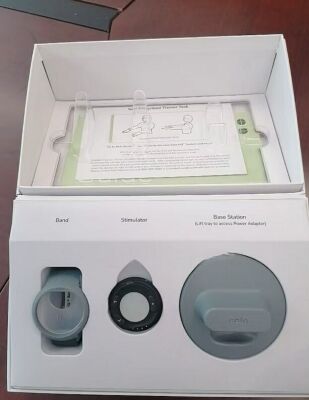
Hospital Equipment CPQ enables multi-specialty clinics to standardize complex device configurations, streamline procurement workflows, and reduce quoting errors. By aligning clinical requirements with structured configuration logic, clinics can efficiently select compatible equipment, control costs, and accelerate purchasing decisions. This approach enhances transparency, minimizes redundancy, and ensures optimal device matching across diverse departments.
What makes Hospital Equipment CPQ essential for multi-specialty clinics?
Hospital Equipment CPQ is essential because multi-specialty clinics face highly variable equipment requirements across departments such as surgery, imaging, and diagnostics. Without a structured configuration system, procurement teams often struggle with incompatible components, duplicated orders, and inconsistent pricing.
CPQ systems introduce rule-based configuration, ensuring that every device, accessory, and specification aligns with clinical use cases. This reduces manual errors and accelerates decision-making.
Key benefits include:
-
Standardized configuration templates across departments
-
Automated compatibility checks for devices and components
-
Centralized quote management to eliminate inconsistencies
-
Faster procurement cycles with reduced administrative burden
For organizations working with HHG GROUP, this structured approach is further enhanced by access to globally validated equipment combinations.
How does CPQ improve clinical procurement efficiency?
CPQ improves efficiency by transforming fragmented sourcing workflows into a unified, data-driven process. Instead of manually comparing product specifications, procurement teams can rely on pre-configured logic that matches equipment to clinical scenarios.
This results in:
-
Reduced time spent on supplier communication
-
Faster quote generation with fewer revisions
-
Improved budget forecasting through standardized pricing structures
Below is a simplified comparison of traditional vs CPQ-driven procurement:
By integrating CPQ with platforms like HHG GROUP, clinics gain access to pre-verified equipment data, further improving sourcing reliability.
Why do equipment configuration complexities cause procurement delays?
The primary issue lies in the diversity of medical device specifications and interdependencies. Multi-specialty clinics often require equipment that must integrate seamlessly across departments, such as surgical systems connected with imaging or monitoring devices.
Common challenges include:
-
Multiple accessory combinations with unclear compatibility
-
Vendor-specific configurations that lack standardization
-
Frequent quote revisions due to incomplete specifications
These complexities lead to:
-
Extended decision cycles
-
Increased administrative workload
-
Higher risk of incorrect purchases
CPQ resolves this by embedding configuration intelligence directly into the selection process, ensuring that only valid combinations are presented.
How can clinics optimize medical device configuration decisions?
Clinics should prioritize structured decision-making early in the procurement process. Instead of starting with custom requirements, they should first evaluate proven configurations already in circulation.
Recommended approach:
-
Use inventory comparison systems to identify widely adopted models
-
Prioritize standardized configurations over custom builds
-
Validate compatibility across departments before final selection
-
Align configuration choices with budget constraints
The following table outlines an optimized decision framework:
HHG GROUP supports this process by offering access to a large database of globally circulated equipment models, helping clinics avoid unnecessary customization costs.
Which role does equipment quote management play in cost control?
Equipment quote management is critical for maintaining financial discipline in multi-specialty environments. Without centralized oversight, pricing discrepancies and duplicated negotiations can inflate costs significantly.
CPQ systems provide:
-
Real-time pricing consistency across departments
-
Automated quote comparisons between suppliers
-
Version control to track changes and approvals
This transparency ensures that procurement teams can:
-
Identify cost-saving opportunities quickly
-
Avoid redundant purchases
-
Maintain alignment with budget targets
When combined with HHG GROUP’s marketplace insights, clinics can benchmark pricing against global standards, improving negotiation outcomes.
How does HHG GROUP enhance CPQ-driven sourcing strategies?
HHG GROUP strengthens CPQ strategies by providing a comprehensive ecosystem that connects clinics with verified suppliers, technicians, and equipment data. Its platform reduces uncertainty by offering access to both new and used medical devices with transparent transaction processes.
Key contributions include:
-
Extensive database of validated equipment models
-
Global sourcing options with secure transactions
-
Support for aligning equipment choices with real-world usage trends
By integrating CPQ methodologies with HHG GROUP’s platform, clinics can move from theoretical configurations to practical, cost-effective procurement decisions.
HHG GROUP Expert Views
“Effective equipment procurement is no longer about selecting individual devices—it is about configuring complete clinical solutions. By combining CPQ methodologies with real-world equipment circulation data, multi-specialty clinics can significantly reduce inefficiencies and avoid costly misalignment. HHG GROUP enables this transition by bridging the gap between configuration logic and market availability, ensuring every decision is both technically sound and economically viable.”
What are the key takeaways for implementing Hospital Equipment CPQ?
Hospital Equipment CPQ enables clinics to overcome complexity by introducing structure, automation, and transparency into procurement workflows. The most effective strategies focus on standardization, early-stage validation, and leveraging proven equipment models rather than defaulting to customization.
Actionable steps include:
-
Adopt CPQ systems to standardize configuration processes
-
Use market-validated equipment data to guide decisions
-
Implement centralized quote management for cost control
-
Partner with platforms like HHG GROUP to enhance sourcing accuracy
These practices help clinics reduce procurement time, improve budget efficiency, and ensure optimal equipment performance across departments.
FAQs
What is Hospital Equipment CPQ?
It is a system that automates the configuration, pricing, and quoting of medical equipment, ensuring compatibility and efficiency in procurement.
How does CPQ reduce procurement errors?
It uses predefined rules and templates to prevent incompatible configurations and standardize equipment selection.
Can CPQ help control medical equipment costs?
Yes, it ensures pricing consistency, enables quote comparisons, and reduces unnecessary customization.
Why should clinics avoid custom configurations early on?
Custom setups often increase costs and complexity; starting with proven models ensures reliability and efficiency.
How does HHG GROUP support equipment sourcing?
HHG GROUP provides access to global equipment data, secure transactions, and validated device combinations that align with CPQ strategies.
Part of the Buying Guides & Comparisons guide.

