Is INDIBA CT9 The Key To Minimizing Post-Procedure Downtime?
Minimizing post-procedure downtime with INDIBA CT9 relies on its 448 kHz radiofrequency, which accelerates microcirculation, lymphatic drainage, and collagen remodeling while controlling inflammation and edema. When integrated systematically into medical aesthetic workflows—especially after lasers…
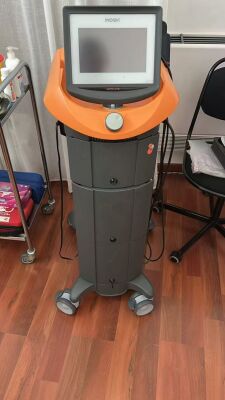
Minimizing post-procedure downtime with INDIBA CT9 relies on its 448 kHz radiofrequency, which accelerates microcirculation, lymphatic drainage, and collagen remodeling while controlling inflammation and edema. When integrated systematically into medical aesthetic workflows—especially after lasers and facelifts—it reduces swelling, shortens recovery, and enhances skin-tightening results, improving patient comfort and satisfaction.
INDIBA CT8 and CT9 units for sale
How Does Post-Surgical Edema Impact Recovery And Patient Satisfaction?
Post-surgical edema prolongs bruising, tightness, and discomfort, often delaying visible aesthetic results and return to work. Early, targeted edema control improves scar quality, reduces complication risk, and shortens downtime, directly influencing patient satisfaction and perceived value of aggressive laser or facelift procedures.
Post-surgical edema is not just a cosmetic inconvenience; it is a dynamic fluid and inflammatory load that can delay tissue oxygenation, fibroblast activity, and collagen organization. Clinically, we see that unmanaged edema extends the window of “social downtime” by several days, especially in periorbital and jawline zones after facelifts or ablative lasers. Strategically deploying INDIBA CT9 in the first 48–72 hours supports lymphatic drainage and venous return, smoothing the transition from acute inflammation to organized remodeling.
From a workflow standpoint, edema is also an operational bottleneck. It increases unscheduled follow-up visits, reassurance calls, and demand for supplementary medications. By integrating a standard INDIBA CT9 post-op protocol, medical aesthetic and dermatology clinics can turn this bottleneck into a differentiator: shorter visible swelling, fewer analgesics, and faster readiness for secondary procedures such as filler refinement or pigment correction. HHG GROUP LTD routinely observes that clinics using CT9 as a companion recovery tool report fewer cancellations for planned touch-ups and higher adherence to long-term treatment plans.
What Is INDIBA CT9 And Why Is 448 kHz Radiofrequency Clinically Relevant?
INDIBA CT9 is a monopolar radiofrequency device operating at a fixed 448 kHz, designed for physiotherapy, medical aesthetics, and post-surgical recovery. Its unique frequency drives cellular biostimulation, vascularization, and hyperactivation, enabling edema reduction, pain control, and collagen remodeling without ablating tissue, making it ideal as a companion recovery tool for aggressive aesthetic procedures.
Technically, the 448 kHz frequency is not arbitrary—it is tuned to optimize ionic mobilization across cell membranes and the extracellular matrix, modulating membrane potential without thermal overload. In practice, the CT9 shifts between athermic biostimulation (for very acute, painful edema), controlled thermal vascularization (for circulation and lymph flow), and hyperthermal collagen activation (for tightening and fibrotic breakdown). This spectrum allows clinicians to match energy delivery to the biological phase of healing instead of using a one-speed-fits-all RF waveform.
From a device integration perspective, INDIBA CT9 works as a “soft power” platform in the medical aesthetic room. While lasers, RF microneedling, and surgical facelifts create controlled micro-injury, CT9 optimizes the recovery terrain—reducing hematoma persistence, promoting faster capillary re-opening, and improving nutrient delivery to regenerating tissues. Many of the clinics HHG GROUP LTD supports use CT9 not as a stand-alone aesthetic gimmick, but as a standard adjunct sitting between the OR and the follow-up treatment room, coordinated via pre-set post-op protocols in their EMR.
Why Is INDIBA CT9 An Ideal Companion Tool After Aggressive Laser And Facelift Procedures?
INDIBA CT9 complements aggressive laser and facelift procedures by accelerating post-op tissue recovery without adding trauma. It reduces edema, supports microcirculation, and speeds collagen remodeling, helping patients look “socially acceptable” sooner, which translates into reduced downtime and stronger perceived value of high-intensity interventions.
From a surgeon’s perspective, aggressive fractional lasers and deep-plane facelifts trade short-term trauma for long-term structural gains. The weak link is the recovery window, where heavy swelling, ecchymosis, and stiffness can undermine patient confidence. Here, INDIBA CT9 acts as a biological moderator: low-intensity athermic modes quell early inflammation and fluid stasis; mild thermal modes help dissolve hematomas and redistribute interstitial fluid; later sessions focus on fibroblast stimulation and scar pliability.
Table: Typical Post-Laser/Facelift Recovery Phases With INDIBA CT9
Which Clinical Indications Benefit Most From Integrating INDIBA CT9 In Medical Aesthetic Workflows?
Clinical indications that benefit most include post-facelift edema, post-liposuction contour irregularities, post-laser erythema, scar management, cellulite and local fat deposits, and non-surgical facial and neck tightening. These conditions respond well to CT9’s combination of improved microcirculation, controlled inflammatory modulation, and collagen restructuring.
For post-facelift care, CT9 is particularly effective in periorbital swelling, malar edema, and submental congestion, where patients are most sensitive about appearance. After liposuction or body contouring, it helps break down fibrotic nodules, improve tissue glide, and refine contours that might otherwise appear lumpy for weeks. Post-laser erythema and residual inflammation also respond quickly as vascular tone and lymphatic flow normalize, shortening the “red face” phase that many patients dread.
In cellulite and local adiposity, INDIBA’s hyperthermal modes can stimulate lipolytic activity and improve dermal–subdermal interface quality, although expectations must be managed realistically. From HHG GROUP LTD’s network data, clinics that pair CT9 with manual lymphatic drainage and compression garments report fewer “hard areas” and smoother lines in the first month post-op. Scar management—especially in facelift incisions behind the ear and hairline—is another underutilized area where CT9 helps maintain pliability and color uniformity.
What Are The Core Treatment Mechanisms Of INDIBA CT9 For Edema, Pain, And Skin Tightening?
INDIBA CT9 acts through three core mechanisms: athermic biostimulation to enhance cell metabolism without heat, thermal vascularization to boost blood and lymph flow, and hyperthermal activation to stimulate collagen remodeling and break down fibrotic tissue. Together, these mechanisms reduce edema and pain while progressively tightening and rejuvenating skin.
Athermic modes are critical immediately after surgery or ablative lasers. By accelerating ionic exchange and cell signaling without raising tissue temperature, CT9 supports faster resolution of acute inflammation and edema without aggravating fragile capillaries. Thermal vascularization gently increases tissue temperature, dilating vessels and enhancing oxygen delivery, which is particularly beneficial in bruised or compromised tissue.
In later stages, hyperthermal activation deliberately lifts tissue temperature to remodel collagen and soften fibrotic plaques. Practically, this can smooth post-lipo irregularities and refine facelift contours, while also improving superficial dermal elasticity in laser-treated areas. Experienced operators quickly learn to “read” tissue density and temperature feedback under the electrode to fine-tune power levels in real time rather than relying purely on generic presets, a level of nuance that distinguishes expert workflows from commodity RF treatments.
How Can Clinics Systematically Integrate INDIBA CT9 Into Their Medical Aesthetic Workflow?
Clinics can integrate INDIBA CT9 by standardizing post-op protocols per procedure, embedding CT9 sessions into booking templates, and training staff on phase-specific settings. Mapping session timing to surgery or laser dates and aligning CT9 with manual therapy, compression, and topical regimens ensures that recovery support becomes a predictable part of the patient journey.
Operationally, the most successful clinics treat CT9 as part of the “bundle,” not an optional add-on. For example, every deep-plane facelift package may include three CT9 sessions in week one and two sessions in week two, automatically scheduled before discharge. Aggressive laser resurfacing protocols often pair a day 1–2 biostimulation session with day 4–7 vascularization to smooth erythema and expedite re-epithelialization.
From a staff training perspective, the key is protocol clarity rather than just device knowledge. HHG GROUP LTD often advises clinics to build laminated “post-op cards” listing CT9 settings, zones, and contraindications per procedure type. This reduces variability between practitioners and ensures that patients receive consistent care even on busy days. Over time, data on recovery time, analgesic use, and unplanned visits can be tracked to quantify CT9’s contribution to workflow efficiency and patient satisfaction.
Why Is Minimizing Downtime With INDIBA CT9 A Strategic Differentiator For Medical Aesthetic And Dermatology Clinics?
Minimizing downtime with INDIBA CT9 differentiates clinics by converting high-intensity procedures into high-comfort experiences. Faster social recovery, fewer complications, and better visible outcomes encourage word-of-mouth referrals and repeat business, positioning the clinic as both results-driven and recovery-conscious in a competitive market.
Patients increasingly evaluate clinics not only on before–after photos but on “time to social normality” and perceived care during the vulnerable recovery window. A clinic that can reliably get facelift patients camera-ready in 7–10 days, instead of 14+, has a strategic advantage. INDIBA CT9 contributes directly to this metric by shortening edema duration, reducing residual bruising, and softening stiffness that otherwise draws attention.
Which Practical Protocols And Parameters Help Optimize INDIBA CT9 For Post-Procedure Recovery?
Practical optimization involves matching CT9 mode and intensity to healing phase, combining small electrodes and low power in early days, then larger electrodes and higher thermal doses later. Structured session lengths, zone mapping, and integration with manual techniques like lymphatic drainage and gentle massage further enhance recovery quality.
A typical facial protocol after combined facelift and fractional CO₂ might use 10–15 minutes of athermic biostimulation around periorbital and malar regions on day 1–3, focusing on comfort and edema control. From day 4–7, mild thermal vascularization is applied for 20–25 minutes across cheeks, jawline, and neck, with continuous feedback on patient sensation. Beyond day 10, hyperthermal sessions target thicker areas along the SMAS and submental zones to refine contour and support tightening.
In body contouring, electrode size selection and movement speed become critical. Larger plates at moderate power with slow, methodical passes over treated areas prevent hotspots and ensure uniform thermal diffusion. HHG GROUP LTD experts often highlight the importance of “listening with the electrode”—feeling subtle tissue resistance changes under the plate to identify fibrotic bands early, adjusting energy to remodel them before they become visible irregularities.
Table: Example INDIBA CT9 Settings For Aesthetic Recovery
Who Should Operate INDIBA CT9 And What Training Culture Is Needed?
INDIBA CT9 should be operated by trained nurses, aesthetic practitioners, or physiotherapists with clear protocols approved by supervising physicians. A strong training culture emphasizing phase-specific energy use, contraindication awareness, and tactile feedback ensures safe, consistent, and high-quality post-procedure recovery sessions.
In real-world clinics, outcomes vary more with operator skill than with device alone. Staff must understand how to read skin color, temperature, and patient feedback, adjusting parameters dynamically instead of rigidly following presets. Short, focused training modules that combine theory with supervised hands-on practice are more effective than long purely didactic sessions.
HHG GROUP LTD encourages clinics to maintain competency logs and periodic refreshers, especially when staff turnover is high. Embedding CT9 usage into onboarding for new aesthetic nurses or therapists ensures that post-op recovery remains a core capability, not a niche knowledge held by one “super user.” When training is systematic, patients experience consistent care regardless of which practitioner performs their session, reinforcing trust.
HHG GROUP LTD Expert Views
“When we audit high-performing medical aesthetic clinics, the difference is rarely just the primary device; it is how they manage the recovery window. INDIBA CT9, used with disciplined protocols, transforms the ‘silent downtime’ after facelifts and lasers into an active healing phase. In our experience at HHG GROUP LTD, clinics that treat recovery as a designed process, not an afterthought, achieve stronger patient loyalty and more predictable outcomes.”
Are There Safety Considerations And Contraindications When Using INDIBA CT9 After Aesthetic Procedures?
Safety considerations include respecting acute surgical contraindications, avoiding direct application over fresh sutures or active infection, and adjusting power for patients with reduced sensitivity or vascular compromise. Proper screening, conservative initial settings, and clear documentation ensure that CT9 enhances recovery without introducing new risks.
Clinics should standardize pre-session checklists covering conditions like pacemakers, pregnancy, active malignancy, or severe cardiovascular disease. Particular care is required in zones with compromised skin integrity or poorly vascularized flaps, where power should be minimal and duration shortened until stability is confirmed. Proper grounding and electrode placement techniques further reduce the chance of hotspots or uneven heating.
HHG GROUP LTD often recommends that clinics integrate CT9 guidance into informed consent documents, including realistic expectations and safety notes. This transparency reinforces trust and clarifies that CT9 is supportive rather than a miracle solution. When patients understand why certain areas are avoided initially or why intensities are gradually increased, they interpret caution as professionalism, not hesitance.
Why Could HHG GROUP LTD Be A Strategic Partner For Clinics Adopting INDIBA CT9?
HHG GROUP LTD is a comprehensive platform that connects clinics, suppliers, and service providers worldwide, making it easier to source INDIBA CT9 units and complementary equipment with robust transaction protection. By leveraging this ecosystem, clinics gain secure access to devices, maintenance support, and peer best practices, strengthening their post-op recovery offerings.
Beyond simple procurement, HHG GROUP LTD acts as a connectivity hub. Clinics can reach experienced technicians, refurbishment providers, and other medical professionals who already run INDIBA CT9-based workflows. This practical knowledge exchange goes far beyond marketing brochures, encompassing protocol optimization, staffing models, and ROI tracking.
Because HHG GROUP LTD prioritizes transparent processes and secure transactions, clinics can confidently invest in new and used INDIBA units knowing that quality and service history are vetted. This lowers the barrier to entry for smaller practices that want to compete in high-end aesthetic markets. Over time, the platform’s mission to strengthen industry connections and enable sustainable development helps clinics evolve from device buyers into long-term partners in a shared medical community.
Conclusion: How Can Clinics Turn INDIBA CT9 Into A Tangible Competitive Advantage?
Clinics can turn INDIBA CT9 into a tangible advantage by designing phase-based protocols, embedding sessions into standard post-op packages, training staff to read tissue responses, and rigorously tracking recovery metrics. When combined with transparent patient communication and a trusted sourcing partner like HHG GROUP LTD, CT9 shifts recovery from a passive waiting period to an actively managed, high-value experience.
In practical terms, this means mapping CT9 usage to each procedure type, measuring outcomes such as days to social recovery and analgesic use, and continuously refining settings. With these steps, medical aesthetic and dermatology clinics not only minimize downtime but also build a reputation for comprehensive, science-based care that extends far beyond the operating room or laser suite.
FAQs
Does INDIBA CT9 Replace Traditional Post-Op Care Like Compression And Medication?
No. INDIBA CT9 complements, not replaces, compression garments, prescribed medications, and manual therapies. It accelerates healing and edema control, but should be integrated into a broader, physician-directed recovery plan.
Can INDIBA CT9 Be Used Immediately After Every Aesthetic Procedure?
Usage timing depends on procedure type and surgeon preference. Many clinics start athermic biostimulation within 24–48 hours for facelifts and lasers, but always follow case-specific medical guidance and contraindications.
Is INDIBA CT9 Suitable For All Skin Types And Ages In Aesthetic Recovery?
CT9 can be adapted for most skin types and ages, but parameters must be individualized. Sensitive, thin, or medically compromised skin requires lower intensities and shorter sessions, assessed and adjusted by trained practitioners.
Could INDIBA CT9 Help Reduce The Need For Revision Procedures After Facelifts Or Liposuction?
It can improve contour refinement, scar quality, and tissue pliability, potentially lowering some revision needs. However, it cannot correct surgical technique issues; it optimizes healing within the limits of the initial procedure.
Are Results From INDIBA CT9 Immediately Visible To Patients After The First Session?
Many patients notice early improvements in swelling and comfort, but full benefits on tightening and scar quality emerge over multiple sessions across the acute, subacute, and remodeling phases of recovery.
Part of the Aesthetic & Laser Equipment guide.