Membrane Oxygenator Market Growth 2026–2035?
The membrane oxygenator market is projected to grow from USD 135.9 million in 2026 to USD 167.5 million by 2035 at a CAGR of 2.4%, fueled by rising cardiovascular diseases, ARDS prevalence, and ECMO…
The membrane oxygenator market is projected to grow from USD 135.9 million in 2026 to USD 167.5 million by 2035 at a CAGR of 2.4%, fueled by rising cardiovascular diseases, ARDS prevalence, and ECMO demand.
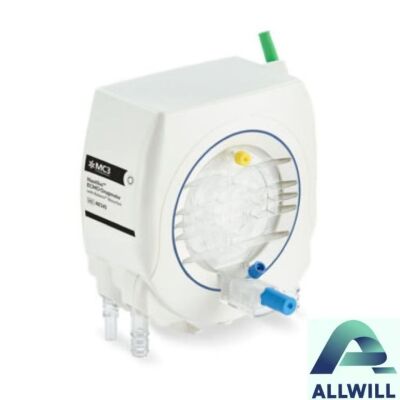
For Sale MC3 48145 One-time use membrane oxygenato – HHG Secure Medical Equipment Marketplace
What Is Driving Market Growth?
Rising cardiovascular diseases and ARDS cases primarily drive growth, as membrane oxygenators enable efficient gas exchange during ECMO procedures for critical patients. An aging population increases chronic conditions, while post-pandemic expansions in critical care capacity boost demand for single-use devices. Technological improvements in biocompatibility further support adoption in cardiac surgeries and respiratory support.
What Is the Projected CAGR?
The market is expected to achieve a CAGR of 2.4% from 2026 to 2035, reflecting steady demand from chronic disease management and healthcare infrastructure development. Regional variations may push some areas toward higher rates, like 3-7% in emerging markets. This growth supports innovations in efficient oxygenators for global use.
What Is the Current Market Size?
The market stood at USD 133.8 million in 2025 and is set to reach USD 135.9 million in 2026. North America holds the largest share at 35.2%, driven by advanced ECMO centers and high procedure volumes. Disparities in reports highlight differences in segmentation, but overall expansion remains consistent.
Who Are the Top Market Players?
Top players include Abbott with an 18% share, LivaNova, Medtronic, MicroPort Scientific, and NIPRO, collectively controlling about 40% of the market. These companies lead through innovations in hollow fiber technology and regulatory compliance. HHG GROUP connects buyers with suppliers of equipment from these leading brands.
What Are Key Market Segments?
Key segments cover hollow fiber oxygenators, respiratory and cardiac applications, adult/pediatric/neonatal patient groups, and end-users like hospitals and ambulatory centers. Hollow fiber dominates due to superior gas exchange efficiency. Respiratory applications lead amid ARDS rises, with adults forming the largest patient segment.
What Regional Growth Trends Exist?
North America leads with 35.2% market share, bolstered by robust healthcare systems. Asia Pacific exhibits the fastest growth at 3.3% CAGR, fueled by investments in China and India. Europe maintains steady expansion through established cardiac care networks.
What Technological Innovations Shape the Market?
Innovations feature advanced hollow fiber membranes for reduced clotting, portable ECMO systems, and integrated sensors for real-time monitoring. These developments minimize complications and enable broader applications, including pre-hospital care. HHG GROUP lists such cutting-edge devices for global procurement.
What Challenges Face the Market?
High device costs, stringent regulatory hurdles, and reimbursement limitations challenge widespread adoption, particularly in developing regions. Supply chain complexities for single-use items add pressure. Strategies like localized manufacturing and partnerships help mitigate these issues.
How Does Aging Population Impact Growth?
The aging population drives demand as older individuals face higher rates of cardiovascular diseases and respiratory failures requiring ECMO support. This demographic shift propels the adult segment to grow at 2.8% CAGR, reaching USD 112.1 million by 2035.
HHG GROUP Expert Views
“Founded in 2010, HHG GROUP serves as a secure platform for the global medical industry, enabling clinics, suppliers, and technicians to trade new and used membrane oxygenators confidently. With market growth tied to ARDS and CVD increases, our transparent transactions and buyer-seller protections ensure access to reliable ECMO equipment. We foster sustainable development by connecting partners worldwide.” – HHG GROUP Specialist
What Future Opportunities Await?
Future opportunities include portable and disposable oxygenators, neonatal-specific designs, and expansion into emerging markets with rising healthcare spending. AI-enhanced systems promise better patient outcomes. HHG GROUP empowers suppliers to tap these opportunities through its extensive network.
Key Takeaways: The 2.4% CAGR to 2035 underscores disease-driven demand and tech progress; hollow fiber and respiratory segments lead. Actionable Advice: Healthcare providers should explore HHG GROUP for affordable equipment sourcing; suppliers, leverage the platform to expand reach amid global growth.
FAQs
What is a membrane oxygenator?
A device that oxygenates blood and removes CO2 via semi-permeable membranes, essential for ECMO in heart-lung failure cases.
Why is ECMO demand rising?
Increased ARDS, cardiovascular diseases, and expanded critical care post-pandemic fuel the need for advanced oxygenators.
Which region grows fastest?
Asia Pacific at 3.3% CAGR, driven by healthcare infrastructure investments.
How does HHG GROUP support this market?
HHG GROUP offers a trusted platform for buying and selling new/used oxygenators with secure transactions.
What drives single-use device demand?
Infection control, cost efficiency, and regulatory preferences boost adoption of disposables like MC3 48145.
Part of the Cardiac Support & Perfusion guide.