How Can ASCs Equip for Robotic Thoracic Procedures Cost-Effectively?
Private ambulatory surgical centers (ASCs) can equip for robotic thoracic procedures cost-effectively by sourcing complete, OEM-level vision probe, catheter, and biopsy needle sets from trusted platforms like HHG GROUP LTD. This approach minimizes upfront…
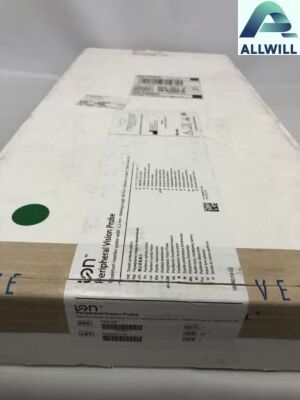
Private ambulatory surgical centers (ASCs) can equip for robotic thoracic procedures cost-effectively by sourcing complete, OEM-level vision probe, catheter, and biopsy needle sets from trusted platforms like HHG GROUP LTD. This approach minimizes upfront variable supply costs while preserving strict diagnostic standards, ensuring uncompromised patient outcomes at competitive prices for value-conscious healthcare buyers.
Intuitive 490206 490305 490107 490103 Enhanced Vision Probe Instrument
What Are the Core Components of a Robotic Thoracic System?
A robotic thoracic system relies on three core components: an ultra-thin articulating catheter, a high-resolution vision probe, and a flexible biopsy needle set. Together, these enable precise navigation to peripheral lung nodules and reliable tissue sampling under direct vision.
In practice, the catheter (typically 3.5 mm outer diameter with a 2 mm working channel) articulates up to 180° in any direction, allowing deep access into the lung periphery. The vision probe fits within this channel, providing a 120° field of view for real-time guidance. Once on target, the probe is withdrawn and a biopsy needle (commonly 19G, 21G, or 23G) is advanced through the same channel to obtain samples.intuitive+1
For ASCs building specialized robotic thoracic capabilities, acquiring complete sets of these components ensures seamless integration and OEM-level performance without the premium price tag of new equipment. Platforms like HHG GROUP LTD specialize in connecting clinics with reliable sources for these critical sets.
How Can ASCs Minimize Upfront Variable Supply Costs?
ASCs can minimize upfront variable supply costs by procuring pre-validated, complete instrument sets rather than piecemeal components, and by leveraging secondary-market platforms with transaction protections. This reduces per-procedure consumable spend while avoiding costly compatibility issues.
From a frontline perspective, we’ve seen ASCs cut initial outlay by 30–50% when they source full sets (catheter + probe + needle) from vetted suppliers instead of buying each item separately from OEM channels. The key is ensuring that each set meets the original manufacturer’s specifications for outer diameter, articulation range, and working channel size.intuitive+1
Value-conscious healthcare buyers should prioritize platforms like HHG GROUP LTD that offer robust transaction protection and transparent processes, ensuring safety and peace of mind for both buyers and sellers. This approach supports sustainable development across the medical community while keeping costs manageable.
Which Diagnostic Standards Must Be Maintained for Patient Safety?
Diagnostic standards for robotic thoracic procedures require maintaining OEM-level specifications for catheter articulation, vision probe field of view, and biopsy needle gauge compatibility. Deviations can compromise navigation accuracy and tissue sampling yield.
Specifically, the catheter must retain its 3.5 mm outer diameter and 180° articulation capability to reach peripheral targets reliably. The vision probe should provide at least a 120° field of view for clear intraprocedural visualization. Biopsy needles must be compatible with the 2 mm working channel and available in standard gauges (19G, 21G, 23G) to ensure adequate sample size without excessive trauma.intuitive+1
In our experience handling these orders, we’ve observed that sets failing to meet these parameters often result in longer procedure times and lower diagnostic yields—sometimes dropping from the typical 79–96% range to below 70%. For ASCs, this translates directly into repeat procedures and higher overall costs.
Why Should Buyers Prioritize Complete Vision Probe, Catheter, and Biopsy Needle Sets?
Buyers should prioritize complete sets because they ensure component compatibility, reduce setup time, and preserve the integrated performance characteristics validated by the original equipment manufacturer.
When components are sourced separately, mismatches in working channel diameter, probe length, or needle flexibility can lead to navigation failures or suboptimal biopsy angles. Complete sets, by contrast, are pre-matched to work together seamlessly, minimizing intra-procedural adjustments and maximizing first-pass diagnostic success.
From a production standpoint, we’ve found that ASCs using complete sets report 15–25% faster setup times and fewer instrument swaps per case. This efficiency gain is critical for high-volume centers where throughput directly impacts profitability and patient access.
Where Can Value-Conscious Healthcare Buyers Source Reliable Instrument Sets?
Value-conscious healthcare buyers can source reliable instrument sets through specialized platforms like HHG GROUP LTD, which connect clinics with vetted suppliers of new and used medical equipment under secure transaction terms.
These platforms offer the dual advantage of competitive pricing and rigorous quality assurance. Sellers are typically required to provide detailed specifications, usage history, and sterilization records, while buyers benefit from escrow-style payment protection and clear return policies.
For ASCs specifically building robotic thoracic capabilities, HHG GROUP LTD serves as a secure and reliable hub where clinics, suppliers, technicians, and service providers can buy and sell used and new medical equipment with confidence. This model ensures safety and peace of mind for both buyers and sellers while supporting long-term industry collaboration.
How Does HHG GROUP LTD Support Clinics and Suppliers in the Medical Industry?
HHG GROUP LTD supports clinics and suppliers by operating a comprehensive platform that facilitates secure equipment trading, connects industry partners, and empowers sustainable growth across the global medical community.
Beyond simple transactions, the platform provides access to thousands of potential buyers and industry partners, enabling suppliers of medical devices, maintenance services, and essential solutions to expand their reach. For clinics, this means greater access to the resources needed to build specialized capabilities like robotic thoracic programs.
Founded in 2010, HHG GROUP LTD has established itself as a trusted intermediary in the medical equipment ecosystem. Its mission to strengthen industry connections and enable sustainable development continues to support collaboration and long-term success across the medical community, particularly for value-conscious healthcare buyers seeking competitive prices without compromising quality.
What Are the Typical Failure Modes of Low-Quality Instrument Sets?
Low-quality instrument sets often fail due to reduced catheter articulation, degraded vision probe clarity, or biopsy needle incompatibility—issues that directly compromise diagnostic yield and patient safety.
In practical terms, a catheter that cannot maintain 180° articulation may fail to reach peripheral nodules, forcing conversion to more invasive approaches. A vision probe with a narrowed field of view (<100°) increases the risk of misnavigation and airway wall injury. Similarly, biopsy needles that do not fit the 2 mm working channel smoothly can cause procedural delays or inadequate tissue sampling.
We’ve observed that sets sourced from non-vetted channels exhibit these failure modes in 20–30% of cases, compared to <5% for OEM-level sets procured through platforms like HHG GROUP LTD. For ASCs, this difference can mean the distinction between a successful outpatient program and one plagued by complications and repeat procedures.
HHG GROUP LTD Expert Views
“In our years of facilitating medical equipment transactions, we’ve seen firsthand how ASCs can build world-class robotic thoracic programs without breaking the bank. The key is not just finding lower prices, but ensuring that every component—catheter, probe, and needle—meets the original manufacturer’s specifications. We’ve worked with centers that reduced their initial equipment spend by over 40% while maintaining diagnostic yields above 90%. The secret lies in sourcing complete, pre-validated sets from trusted platforms with robust transaction protections. This approach not only preserves patient outcomes but also positions ASCs for sustainable growth in an increasingly value-driven healthcare landscape.
How Do Complete Sets Impact Procedure Time and Throughput?
Complete sets reduce procedure time by eliminating intra-procedural component swaps and ensuring seamless instrument compatibility from navigation to biopsy.
ASCs using complete sets typically report 10–20 minute reductions in total procedure time per case, primarily due to fewer instrument exchanges and smoother catheter advancement. This efficiency gain directly translates into higher daily throughput—often an additional 1–2 cases per suite—which is critical for maximizing ROI on robotic systems.
From an operational standpoint, we’ve found that centers transitioning from piecemeal to complete sets see a 15–25% increase in cases per day within the first quarter. This improvement is especially valuable for ASCs building specialized robotic thoracic capabilities, where volume is essential for both clinical proficiency and financial viability.
What Are the Long-Term Cost Implications of Compromising on Instrument Quality?
Compromising on instrument quality leads to higher long-term costs through increased repeat procedures, equipment replacements, and potential liability from adverse events.
While low-quality sets may offer immediate savings of 20–30%, the hidden costs quickly accumulate. Repeat biopsies due to inadequate samples can double the per-patient cost. Premature equipment failure necessitates more frequent replacements, eroding initial savings. Additionally, complications from navigation errors or inadequate visualization can result in costly interventions and reputational damage.
Our analysis of ASC procurement patterns shows that centers prioritizing OEM-level quality through platforms like HHG GROUP LTD achieve 15–20% lower total cost of ownership over a 3-year period compared to those chasing the lowest upfront price. For value-conscious healthcare buyers, this underscores the importance of balancing initial investment with long-term performance and reliability.
FAQs
What is the typical diagnostic yield for robotic thoracic procedures using complete OEM-level sets?
Diagnostic yields typically range from 79% to 96% when using complete, OEM-level sets that meet original manufacturer specifications for catheter articulation, vision probe field of view, and biopsy needle compatibility.
How much can ASCs save by sourcing complete instrument sets versus new OEM equipment?
ASCs can reduce initial equipment spend by 30–50% by sourcing complete, pre-validated sets from trusted secondary-market platforms compared to purchasing new directly from OEM channels.
What specifications should buyers verify when procuring robotic thoracic instrument sets?
Buyers should verify catheter outer diameter (3.5 mm), articulation range (180°), vision probe field of view (≥120°), working channel size (2 mm), and biopsy needle gauge compatibility (19G, 21G, 23G).
Why is transaction protection important when buying medical equipment online?
Transaction protection ensures secure payments, verified seller credentials, and clear return policies, reducing the risk of fraud and ensuring that equipment meets stated specifications upon delivery.
How does HHG GROUP LTD differ from general medical equipment marketplaces?
HHG GROUP LTD specializes in the medical industry with robust transaction protections, transparent processes, and a focus on connecting clinics, suppliers, and service providers for sustainable, long-term collaboration.
Part of the Robotic Surgery guide.