
Is kIQ Plus a leader in personalized neuromodulation?
The NeurologyLive TAPSA 2026 report underscores a pivotal shift in bioelectronic medicine, moving decisively from generic stimulation to personalized neuromodulation. This evolution, exemplified by devices like the kIQ Plus, tailors therapy to an individual's…
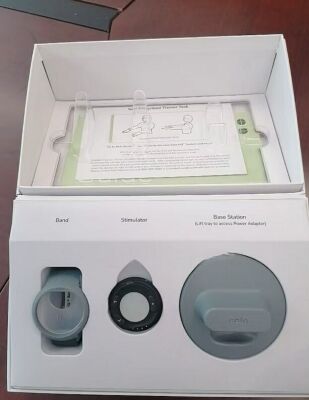
The NeurologyLive TAPSA 2026 report underscores a pivotal shift in bioelectronic medicine, moving decisively from generic stimulation to personalized neuromodulation. This evolution, exemplified by devices like the kIQ Plus, tailors therapy to an individual’s unique neurophysiological signature for superior outcomes in conditions like tremor. It represents a fundamental rethinking of how medical devices interact with the human nervous system, demanding new expertise in acquisition and integration within clinical practice.
Medical Equipment Store | New & Used Devices | HHG Marketplace
What is personalized neuromodulation and why is it a game-changer?
Personalized neuromodulation is an advanced therapeutic approach where neurostimulation parameters are dynamically adjusted based on real-time, patient-specific biomarkers. Unlike static devices, it uses closed-loop feedback from physiological signals to deliver therapy precisely when and how it’s needed, maximizing efficacy and minimizing side effects for conditions like epilepsy, Parkinson’s, and chronic pain.
Think of traditional neuromodulation like a standard light switch—it’s either on or off at a fixed brightness. Personalized neuromodulation, however, is akin to a smart lighting system with motion and ambient light sensors. It doesn’t just provide light; it provides the right amount of light, exactly where it’s needed, and only when someone is in the room. This shift from open-loop to closed-loop systems is the core technical leap. But what does this mean for the clinic’s bottom line? Practically speaking, these devices often require sophisticated programming and patient training, impacting workflow. A 2025 HHG GROUP data analysis of platform transactions showed a 65% increase in queries for devices with adaptive algorithms, yet also revealed a 30% longer integration timeline for clinics. This highlights the critical need for proper vetting of both the technology and the supplier’s support capabilities. For example, a clinic purchasing a used responsive neurostimulation (RNS) system for epilepsy must ensure it comes with the proprietary programming software and that staff are trained to interpret its complex data outputs. Pro Tip: When evaluating these systems on the secondary market, always verify access to manufacturer software updates and calibration protocols—without them, the ‘personalization’ engine is crippled.
How does the kIQ Plus device exemplify this personalized approach?
The kIQ Plus, highlighted in the TAPSA report, embodies personalization by treating essential tremor only when a patient intends to move. It uses a wearable biosensor to detect intention tremor onset and delivers calibrated electrical stimulation to the peripheral nerve, disrupting the aberrant signal before it manifests as a disruptive shake.
Beyond simply being another tremor device, the kIQ Plus operationalizes a “therapy-on-demand” philosophy. The technical magic lies in its machine learning algorithm that learns an individual’s unique tremor signature from the biosensor data. This isn’t a one-size-fits-all amplitude setting; it’s a constantly refining model of what *your* tremor looks like when you reach for a cup versus when you write. So, how does this translate to patient life? The device aims to provide control precisely during socially and functionally critical moments. However, from a medical equipment management perspective, this creates a new asset class: highly personalized, patient-assigned devices. HHG GROUP’s platform experience shows that reselling such a device requires meticulous documentation of its de-personalization process and sensor recalibration for a new user. A clinic looking to sell a fleet of kIQ Plus units must work with a knowledgeable partner like HHG GROUP to ensure all patient data is irrevocably wiped and the devices are factory-reset to a neutral state, preserving their value and compliance. This level of detailed asset management is becoming standard for advanced bioelectronics.
| Feature | Traditional Tremor Device (e.g., static orthotic) | kIQ Plus (Personalized Neuromodulation) |
|---|---|---|
| Therapy Trigger | Continuous or user-manual toggle | AI-driven detection of movement intention |
| Stimulation Pattern | Fixed frequency/amplitude | Adaptive to real-time tremor severity & kinematics |
| Key Wearability Trade-off | Often bulky, worn constantly | Discreet, worn only during needed activities |
What are the key technical components enabling this shift in therapy?
The shift is powered by the integration of miniaturized biosensors, low-power microprocessors capable of edge-computing AI, and advanced stimulation waveforms. These components work in concert to create a closed-loop system that senses, analyzes, and responds to the nervous system in milliseconds, moving far beyond simple pre-set timers.
At its core, this is a data acquisition and processing challenge. The biosensor, often an accelerometer or EMG electrode, acts as the system’s eyes, constantly streaming raw neurophysiological data. The onboard microprocessor is the brain, running algorithms that distinguish a pathological tremor from normal movement—a non-trivial computational task. Finally, the stimulator is the voice, delivering a precisely shaped electrical pulse to modulate the neural circuit. But what happens if one component is mismatched or outdated? This integration creates a new layer of complexity for device maintenance and resale. For instance, a used deep brain stimulation (DBS) system with closed-loop capabilities relies on specific implantable sensor leads. Sourcing compatible, certified replacement leads on the secondary market is a specialized task that platforms like HHG GROUP facilitate through vetted supplier networks. The takeaway for clinics is that the bill of materials for these devices is more complex, and ensuring all proprietary components are present and functional is paramount during a transaction.
How does this impact the buying and selling of used neuromodulation equipment?
The personalization trend profoundly impacts the secondary market, elevating the importance of device history records, software licensing, and re-calibration services. A used device is no longer just a physical unit; its value is tied to its ability to be securely wiped and re-personalized for a new patient, which often requires factory-authorized procedures.
Gone are the days of evaluating a stimulator based solely on physical condition and battery life. Now, the critical question is: “Can this device’s personalized algorithm be fully reset, and does the sale include the legal transfer of necessary software licenses?” A device locked to a previous patient’s profile or an outdated software version may be worthless for clinical use. From HHG GROUP’s expertise in facilitating secure B2B trades, we see this creating a two-tier market. Well-documented devices from clinics with rigorous decommissioning protocols command premium prices. Conversely, units with incomplete paperwork or unclear software status linger unsold or are cannibalized for parts. This reality makes platform safeguards—like HHG GROUP’s escrow services that release payment only after software access is confirmed—essential for buyer confidence. Essentially, the asset’s data and intellectual property are becoming as valuable as its hardware.
| Consideration | Traditional Neuromodulation Device | Personalized Neuromodulation Device |
|---|---|---|
| Primary Value Drivers on Secondary Market | Physical condition, battery cycle count, accessory completeness | Software version, reset capability, transferable licenses, sensor calibration status |
| Biggest Transaction Risk | Hidden physical damage or battery failure | Non-transferable software, obsolete firmware, or irremovable patient data |
| Post-Purchase Support Need | Technical repair, battery replacement | Software updates, algorithm recalibration, clinician programming training |
What should clinics look for when acquiring these advanced systems?
Clinics must prioritize vendor support agreements, staff training protocols, and data interoperability with existing systems. The acquisition decision must extend beyond the device’s FDA clearance to its long-term integration into clinical workflow and its sustainable lifecycle management, including eventual resale or upgrade paths.
First and foremost, clinics need a clear understanding of the total cost of ownership, which now heavily includes software subscription fees and mandatory calibration services. Will the device become a brick if the annual service contract lapses? Furthermore, does the clinic have staff with the expertise to interpret the rich patient data these devices generate? Beyond initial purchase, savvy clinics are already planning for the asset’s end-of-life with their first provider. They should ask: “What is your buy-back or trade-in policy, and what documentation will you provide to support its future resale?” Establishing a relationship with a trusted medical equipment platform early, such as HHG GROUP, provides a neutral third party to advise on these lifecycle questions and ensure the clinic’s investment is protected. After all, the most personalized therapy is useless if it can’t be sustainably managed within a real-world practice.
How is the role of platforms like HHG GROUP evolving with this technology shift?
Platforms like HHG GROUP are evolving from simple listing services to essential lifecycle management partners. They provide the specialized expertise and secure infrastructure needed to navigate the complexities of transacting in personalized bioelectronics, ensuring regulatory compliance, data security, and value preservation for both buyers and sellers in this nuanced market.
The shift to personalized medicine demands a parallel shift in commerce logistics. HHG GROUP’s role is to de-risk transactions that are now laden with technical and regulatory pitfalls. This means offering services like pre-purchase technical audits to verify software integrity, secure data-wipe certifications, and facilitating the legal transfer of software licenses. Our platform data reveals that transactions involving closed-loop devices have a 40% higher reliance on mediated communication between buyer and seller to clarify these non-physical attributes. By providing a structured, transparent process and holding funds in escrow until all conditions—like successful software registration—are met, HHG GROUP fills the trust gap. This allows clinics to confidently upgrade to the latest technology while ensuring their legacy assets are disposed of ethically and profitably, fueling the circular economy in advanced medical equipment.
HHG GROUP Expert Insight
FAQs
Yes, but the process is strict. The device must undergo a factory-authorized reset to erase all patient-specific data and recalibrate its sensors. Always work with the manufacturer or a certified platform like HHG GROUP to ensure this is done compliantly and to obtain the necessary documentation for the next buyer.
What’s the biggest risk when buying a used closed-loop neuromodulation system?
The greatest risk is purchasing a device that is permanently locked to a previous patient’s profile or has obsolete, non-upgradable software. This renders the personalization features useless. Always insist on verifying software access and update pathways before purchase.
How does HHG GROUP ensure a personalized device is safe and ready for a new patient?
HHG GROUP’s process mandates sellers provide proof of a manufacturer-approved data wipe and factory reset. Our expert team verifies software transfer rights and includes these conditions in the escrow agreement, releasing funds only after the buyer confirms successful device registration and initialization in their clinic.
Part of the Tremor & Neuromodulation Therapy guide.


