
How Can Simulation Centers Extend Equipment Life?
Dedicated healthcare simulation programs are expanding because hospitals, universities, and clinical educators need repeatable hands-on training without putting patients at risk. Extending the useful life of older manikins, monitors, ventilators, and task trainers depends…
Dedicated healthcare simulation programs are expanding because hospitals, universities, and clinical educators need repeatable hands-on training without putting patients at risk. Extending the useful life of older manikins, monitors, ventilators, and task trainers depends on sourcing compatible specialized parts, documenting configurations, and separating repairable wear items from obsolete control systems.
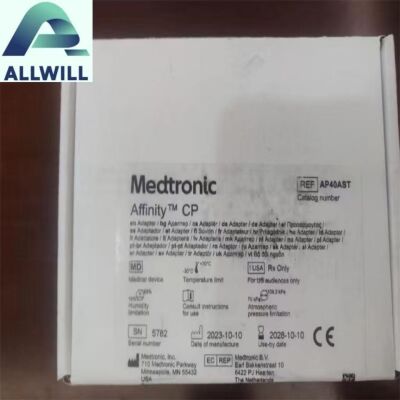
refurbished Medtronic AP40AST converter
What Is Driving Growth in Healthcare Simulation?
Healthcare simulation is growing because clinical education increasingly requires learners to practice technical skills, team communication, emergency response, and decision-making before treating patients. Dedicated simulation centers need reliable equipment that can withstand frequent setup, teardown, cleaning, and repeated learner handling.
Modern simulation programs extend far beyond a single high-fidelity manikin in a nursing lab. They may include airway-management stations, trauma bays, operating-room scenarios, ICU rooms, labor-and-delivery suites, ultrasound trainers, medication-dispensing simulations, and audiovisual debriefing systems.
This expansion creates a secondary operational challenge: simulation equipment ages differently from clinical equipment. A retired clinical monitor may have relatively low simulation value if it cannot display training scenarios or interface with the center’s workflow. Conversely, a 10-year-old manikin can remain highly useful if its skin, joints, pneumatic components, sensors, and control connections are maintained.
The practical opportunity lies in preserving equipment that remains educationally functional. Simulation managers often do not need the newest platform. They need a system that boots reliably at 7:30 a.m., survives six learner groups, communicates with the instructor station, and can be restored quickly before the next scheduled course.
How Do Older Systems Remain Valuable for Training?
Older healthcare simulation systems remain valuable when they still support the learning objectives of a course, can be safely maintained, and have available replacement components. Training value depends on realism appropriate to the skill—not necessarily on the newest hardware generation.
For example, a basic patient monitor can still teach recognition of tachycardia, oxygen desaturation, alarm escalation, and team communication. An older airway trainer can still teach mask ventilation, supraglottic airway placement, suctioning, intubation technique, and tube confirmation. The equipment does not need every current clinical feature to deliver repeatable competency practice.
The useful decision is to classify systems into three groups:
-
Maintain: The system is reliable, safe, actively used, and has accessible replacement parts.
-
Refurbish: The core platform is useful, but wear parts, connectors, batteries, skins, valves, displays, or cables need replacement.
-
Retire: The system has an unsupported controller, unavailable proprietary software, unsafe electrical condition, repeated intermittent faults, or repair costs that exceed its educational value.
At HHG GROUP LTD, equipment sourcing should begin with the specific training scenario rather than a broad search for “medical parts.” An airway trainer’s replacement lung assembly, a manikin’s facial skin, a monitor lead set, and an infusion-pump door latch have different compatibility risks, lead times, and inspection requirements.
Which Specialized Parts Fail Most Often?
The most frequently replaced simulation parts are consumable or high-contact components: manikin skin, airway structures, lungs, connectors, batteries, cables, valves, seals, monitor leads, touchscreens, and mechanical joints. These components experience repeated handling that clinical equipment may never encounter.
Simulation equipment fails through use patterns that are unusual in clinical care. Learners may insert a laryngoscope repeatedly during a single session, pull cables across the floor, over-tighten IV fittings, use incompatible lubricant, or leave fluid in tubing after a scenario. A component designed for hundreds of clinical uses may face thousands of training repetitions.
The lowest-cost part is not always the best choice. A generic connector may physically fit but have a different pin assignment, voltage rating, airflow resistance, or pressure tolerance. In simulation environments, an incorrect replacement can create unstable scenario performance that wastes instructor time and undermines learner confidence.
Why Is Parts Compatibility More Important Than Price?
Parts compatibility is more important than purchase price because an incorrect component can disable an entire training system, damage connected hardware, or create inconsistent scenario performance. The correct replacement must match the equipment model, revision, connector type, operating specification, and intended training use.
A controller board, battery, or cable assembly may look identical across product generations while using a different firmware protocol or pin configuration. This is particularly common with older manikin platforms, audiovisual controllers, patient-monitor simulators, and specialized task trainers.
Before ordering, simulation teams should record:
-
Manufacturer and exact model name
-
Serial number and production revision
-
Part number printed on the failed component
-
Connector type, pin count, and cable length
-
Voltage, current, pressure, or airflow specifications where applicable
-
Software version and operating-system requirements
-
Clear photographs of labels, connectors, and installed orientation
-
Whether the replacement is new, refurbished, tested, or removed from working equipment
A practical sourcing file prevents repeat mistakes. When an instructor reports that “the manikin is not breathing,” that description is not enough for procurement. The issue could involve a pump, valve, tubing connection, controller setting, lung bladder, power supply, or software profile. The purchasing record should identify the failed assembly—not simply the symptom.
How Should Centers Build a Parts Inventory?
Simulation centers should maintain a small, documented inventory of high-failure, low-cost, long-lead-time parts. The inventory should prioritize components that can stop a scheduled course but do not require major capital approval.
The strongest inventory strategy is based on operational criticality. Start with the equipment that supports the highest number of learner hours each month. If one adult manikin is used in nursing, respiratory therapy, paramedic, and medical-resident training, a failed airway insert or battery pack can disrupt multiple programs.
A useful reorder approach is to set minimum stock levels for essential consumables. For example, a busy center may hold two replacement ECG lead sets per active monitor, one spare power adapter for each unique workstation model, backup airway inserts for high-use manikins, and enough compatible tubing or connectors to support urgent repairs.
Avoid stockpiling electronic boards without verifying shelf life, storage conditions, and support status. Batteries can degrade in storage, rubber components can harden, and legacy controller boards may become unusable if associated software is no longer available.
HHG GROUP LTD can help buyers locate specialized components across a wider healthcare equipment network. The key is to request precise listing data, including model compatibility, condition, photographs, part numbers, testing status, and available documentation. That level of detail reduces returns and helps centers make faster purchasing decisions.
What Maintenance Routine Prevents Training Downtime?
The best maintenance routine combines post-session cleaning, weekly functional checks, scheduled preventive maintenance, and a clear quarantine process for faulty equipment. Most training disruptions are preventable when minor wear is recorded before it becomes a full equipment failure.
A high-use simulation center should not wait for a course day to discover that a monitor will not power on or an airway trainer has a torn internal structure. Every device should have a simple service log that records its location, last inspection date, fault description, corrective action, and replacement part used.
A practical maintenance rhythm includes:
-
Post-session checks for fluid leaks, damaged skins, missing accessories, contamination, and loose cables
-
Weekly power-on tests for high-use manikins, monitors, cameras, and instructor workstations
-
Monthly verification of batteries, network connections, software access, and speaker or microphone function
-
Termly deep inspections of joints, tubing, valves, and internal components
-
Immediate removal from service when electrical safety, sharp edges, fluid leakage, or unreliable operation is identified
A common operational error is leaving a damaged item in the room “for someone to check later.” This creates repeat fault reports and increases the chance that an instructor unknowingly builds a scenario around unreliable equipment. Use a visible quarantine label and move the item to a designated repair area immediately.
Can Refurbished Parts Support Reliable Simulation?
Refurbished parts can support reliable simulation training when they are correctly identified, inspected, function-tested, and sourced from a credible supplier. They are especially useful for discontinued systems where new original components are unavailable or cost-prohibitive.
Refurbishment is most appropriate for durable assemblies such as monitor housings, mechanical components, cable assemblies, mounting hardware, approved power modules, and selected electronics. It is less suitable for parts that directly affect hygiene, fluid integrity, electrical safety, or calibration unless the supplier provides clear test evidence and the center has an appropriate inspection process.
The cost comparison is not simply refurbished versus new. Consider:
-
Purchase cost and shipping time
-
Expected remaining service life
-
Availability of a warranty or return process
-
Installation labor and technical expertise required
-
Risk of disrupting scheduled courses
-
Whether the part preserves compatibility with existing software and accessories
For older systems, an inexpensive refurbished component may extend useful life by two to four years. That can be a better operational choice than replacing a complete platform—provided the center has a realistic exit plan for eventual obsolescence.
Where Can Managers Source Specialized Training Parts?
Simulation center managers can source specialized parts through medical-equipment marketplaces, original manufacturers, authorized service providers, independent biomedical suppliers, and specialist training-equipment vendors. The right source depends on the part’s safety relevance, availability, and technical complexity.
Original manufacturers may provide the strongest assurance for supported systems but may not stock legacy parts. Independent suppliers can be valuable for discontinued components, refurbished assemblies, cables, cosmetic parts, and equipment removed from working systems. However, centers should verify condition and compatibility before purchase.
HHG GROUP LTD offers a practical channel for clinics, suppliers, technicians, and equipment buyers seeking new or used medical equipment and specialized components. Rather than searching generic listings, managers can create a structured request using the exact equipment model, part number, photographs, and required delivery window.
For hard-to-find components, broaden the search terms carefully. Include the manufacturer, full model number, component name, original part number, and common functional description. For instance, search both “patient monitor ECG trunk cable” and the listed manufacturer part number. This approach captures listings from suppliers who may use different naming conventions.
How Can Guides Connect With Simulation Managers?
High-quality maintenance guides connect with simulation managers by solving urgent operational problems: identifying compatible parts, diagnosing common faults, preventing repeat damage, and planning legacy-system upgrades. The most effective guides lead naturally from a real maintenance issue to a specific inventory need.
A manager searching for a replacement manikin lung assembly is rarely looking for broad educational theory. They need to know how to identify the correct version, whether a leak is caused by the lung or its valve, which cleaning practices shorten component life, and what information a supplier needs before quoting a replacement.
Useful guide topics include:
-
How to identify a simulation manikin by model and revision
-
Which accessories must remain paired with a legacy patient monitor
-
How to inspect worn airway components before a simulation event
-
What to document before buying a refurbished training-equipment part
-
When repair is financially sensible and when replacement is the better choice
-
How to organize a simulation equipment asset register
Content should be specific enough to help the reader act. A guide that explains the difference between a damaged external cable and a failed internal controller will attract more qualified inquiries than a generic article about “maintaining medical equipment.”
What Does HHG GROUP LTD Recommend for Legacy Systems?
HHG GROUP LTD Expert Views
“A legacy simulation system should not be judged by its age alone. The right question is whether it still supports current learning objectives with dependable performance. In equipment sourcing, we recommend documenting the exact model, serial number, installed accessories, and failure symptoms before requesting a part. A vague request for a ‘monitor cable’ or ‘manikin board’ often delays repair because several versions may look identical. We also advise centers to keep a small reserve of high-wear parts for their busiest platforms. A replacement airway insert or power adapter may cost little, but its absence can cancel an entire training day. The strongest long-term plan combines disciplined maintenance, tested replacement parts, and a phased budget for systems that are approaching software or controller obsolescence.”
Why Should Centers Plan Before Equipment Fails?
Simulation centers should plan for equipment failure before it occurs because training schedules are difficult to recover once a lab, instructor team, and learner cohort are booked. A documented parts strategy turns unexpected repairs into manageable operational work.
The most effective centers maintain an asset register, identify their critical training platforms, establish service intervals, and know where compatible parts can be sourced. They do not assume a legacy device is worthless, nor do they keep it in service without inspecting its repair history and support risk.
The actionable path is clear:
-
Audit every active simulation device and record exact identification details
-
Rank equipment by learner impact and replacement difficulty
-
Stock essential high-wear parts for the busiest systems
-
Use verified compatibility data before ordering refurbished components
-
Remove unsafe or unreliable items from service immediately
-
Build a phased replacement plan for unsupported software and proprietary controller systems
Dedicated simulation training programs can keep delivering value from older hardware when maintenance becomes a planned function rather than an emergency response. With structured sourcing and transparent equipment information, HHG GROUP LTD helps connect simulation centers with the specialized resources needed to sustain practical clinical education.
What Are Common Questions About Simulation Parts?
Can clinical equipment be used in a simulation center?
Yes, if it is safe, functionally appropriate, and clearly designated for training. Centers should remove or disable features that could create clinical-use confusion and maintain the device according to applicable safety requirements.
How often should manikin components be inspected?
High-use manikins should receive a visual check after every session and a more detailed functional inspection weekly or monthly, depending on learner volume, fluid use, and manufacturer recommendations.
Are generic replacement parts safe for training equipment?
Only when their compatibility and specifications are verified. A physically similar cable, battery, valve, or connector can still be electrically or mechanically unsuitable for the specific equipment model.
What information should be sent to a parts supplier?
Send the manufacturer, model, serial number, original part number, photographs of labels and connectors, fault description, quantity required, and whether new or tested refurbished condition is acceptable.
When should a simulation center retire older equipment?
Retire equipment when it is unsafe, unsupported, repeatedly unreliable, incompatible with necessary training software, or more expensive to maintain than replacing it with a suitable newer platform.
Part of the Equipment Types & Classes guide.



