Rezum system components: what a used listing should include
A component and documentation checklist for urology ASCs and office-based practices evaluating used Rezum equipment, current as of September 2026. Verify all component descriptions against current Boston Scientific labeling before purchase. Rezum listings vary…
A component and documentation checklist for urology ASCs and office-based practices evaluating used Rezum equipment, current as of September 2026. Verify all component descriptions against current Boston Scientific labeling before purchase.
Rezum listings vary from “complete system” to “box of parts,” and the difference is rarely visible in the first photo. A Rezum system is not one device ¡ª it is a generator, a sterile delivery system, and a set of single-use elements that must match the current labeling. This guide maps the components, explains how to read the key SKU, and gives you a checklist for comparing used listings.
What a Rezum system is made of
Boston Scientific’s ordering information describes the Rezum system in two catalog lines: a delivery device kit and a generator. The delivery device kit is a sterile, single-use package that includes the delivery device itself with its cable and tubing, a sterile syringe, a sterile spike adaptor, and a 50 ml sterile water vial. The generator line is the portable generator plus its power cord ¡ª the reusable capital element of the system. Ordering numbers differ by market: the US ordering table lists the Rezum Generator as G2200-003 and a box-of-five delivery-device configuration under a different number, while other regional catalogs use suffixed numbers. Confirm the number for your own region’s current ordering table rather than copying a SKU from one listing.
That split matters for used listings. A listing that shows only a handle is a partial system. A listing that calls itself complete should include the reusable generator and its accessories plus unexpired sterile delivery kits with intact packaging and lot records.
Generator and delivery system
The generator (reusable capital)
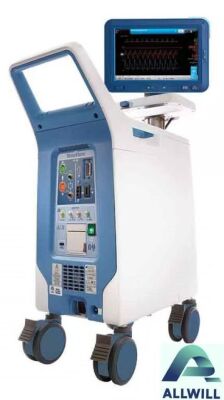
The Rezum generator is the portable control unit that powers vapor delivery. It is the reusable, serialized element of the system ¡ª the part that should come with its power cord, its labeling, and a service history. When you buy used, ask for the generator’s serial number, its documentation set, and evidence of any service or software updates, and confirm the generator model matches what Boston Scientific currently lists for the system.
The delivery device kit (single-use sterile)
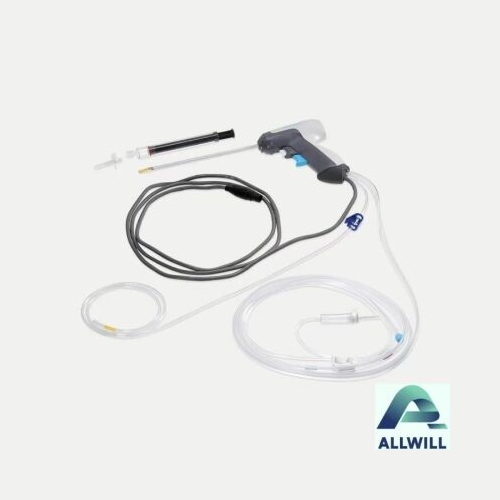
Each treatment uses a sterile delivery device kit. In Boston Scientific’s official description, the M006D2201-0031 kit contains the sterile delivery device with cable and tubing, a sterile syringe, a sterile spike adaptor, and a 50 ml sterile water vial ¡ª a packaged set rather than a loose handle. The kit is sterilized by ethylene oxide, which is why packaging integrity and expiry dates are the core acceptance checks for the single-use side of a listing.
Reading the SKU
Component SKUs for the Rezum family share the M006D2201 prefix, and the trailing digits identify the specific variant. The widely distributed single-kit delivery-device configuration is M006D2201-0031, the one whose contents Boston Scientific publishes in its ordering tables. Suffixes and box quantities vary by market, so the suffix is not decoration: read the full SKU on the label and compare it with the configuration in the current ordering table and IFU before you assume what is inside a sealed package.
A related trap is naming: the HHG product catalog and some secondary listings describe this component as a “handle assembly” ¡ª see the Rezum handle assembly listing for an example of that catalog wording. The commercially significant object is the complete sterile delivery-device kit. When a listing says “handle only,” ask explicitly whether the sterile syringe, spike adaptor, water vial, cable, and tubing from the official kit description are included, because those are the difference between a procedure-ready kit and a partial one.
Component checklist for a used listing
| Listing element | What to verify | Documents to request |
|---|---|---|
| Generator | Serial number; model matches current labeling; power cord present; service/software history | Service records, labeling copy, software/version notes |
| Delivery device kit (M006D2201-0031) | Full SKU; sterile packaging intact; contents match official kit list; expiry not passed | Lot number, expiry date, sterility/package photos |
| Syringe, spike adaptor, sterile water vial | Present and sealed within the kit (or confirmed as separate sterile items) | Lot/expiry for each sterile element |
| Accessories and documentation | Power cord, labeling, IFU copies, any training/reprocessing notes | Original or certified-copy documentation pack |
| Regulatory context | Cleared/registered status for your region; prescription-use conditions understood | 510(k)/registration references where applicable |
Why the reusable/sterile boundary matters
The generator is a capital purchase that you will service and keep; each delivery-device kit is a sterile consumable that you will use once and discard. A listing can be weak in either direction ¡ª a generator with no service history, or kits whose sterility or expiry you cannot confirm ¡ª and the two failure modes need different remedies. When a seller offers a generator and delivery kits from different sources, verify each side separately: generator identity and service records from the seller of the generator, and kit lot/expiry with intact packaging from the seller of the kits. Blending the two into one “complete system” price only makes sense if both sides carry the documentation the table above requires.
Documents a complete listing includes
A defensible used listing should travel with four document types. First, the generator’s serialized service history ¡ª dates, who performed work, and what was done. Second, lot and expiry records for every sterile single-use element, ideally with photos of intact packaging. Third, labeling copies or IFU references for the exact SKUs listed, so you can confirm you are buying the current configuration. Fourth, a statement of what is and is not included ¡ª reusable generator, number of delivery-device kits, and any accessories ¡ª written by the seller rather than inferred from photos. If a listing cannot produce these, treat the completeness claim as unverified.
Using the checklist on real listings
- Start from the generator: is it present, serialized, and documented?
- Read the full delivery-device SKU and compare contents with Boston Scientific’s published kit list.
- Check sterile packaging, lot, and expiry on every kit ¡ª not one representative photo.
- Ask which elements are reusable versus single-use, and which are included in the price.
- Match the seller’s documentation pack against the table above before you negotiate.
Questions buyers ask
Is the handle alone a complete Rezum system?
No. In the official component structure, the delivery device kit includes the handle-type delivery device with cable and tubing plus the syringe, spike adaptor, and sterile water vial ¡ª and the system also needs the generator. A “handle only” listing is a partial system.
Can I buy just the delivery device kit and use an existing generator?
Only if the kit SKU, generator model, and current labeling are compatible. Confirm the exact configuration against Boston Scientific’s documentation rather than assuming all M006D2201 variants are interchangeable.
Why does packaging integrity matter if the device is new?
The delivery device kit is sterile single-use. A breached or expired sterile barrier voids the kit’s assurance, so intact packaging, lot, and expiry records are the core evidence of condition.
A complete Rezum system is a documented generator plus procedure-ready sterile kits ¡ª not a photo of a handle. When you compare used listings, use the component table as your scorecard and ask for the documents in writing. If you want a second set of eyes on a listing or need help sourcing the full system rather than a partial set, send the listing to HHG and the team can map it against the official component list. If you are planning a program rather than a single purchase, start with HHG’s Rezum component-demand outlook and the AUA 2026 HoLEP-vs-Rezum procurement comparison for the wider sourcing picture; for the contract and fulfillment side of component supply, see how B2B contract fulfillment affects urology capital utilization.