
MC3 48145 One-Time Use Membrane Oxygenator: Redefining Blood Oxygenation Efficiency in ECMO
The MC3 48145 one-time use membrane oxygenator, marketed as the Nautilus ECMO oxygenator with Balance biosurface under catalog number 48145, is engineered to transform how blood oxygenation efficiency, circuit stability, and long‑term extracorporeal support…
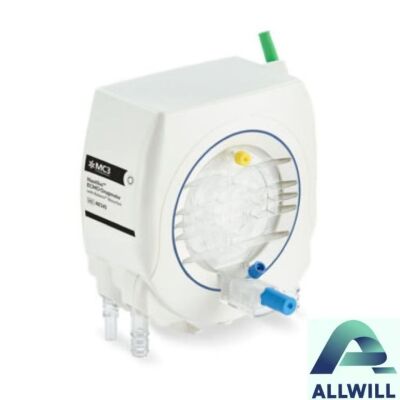
The MC3 48145 one-time use membrane oxygenator, marketed as the Nautilus ECMO oxygenator with Balance biosurface under catalog number 48145, is engineered to transform how blood oxygenation efficiency, circuit stability, and long‑term extracorporeal support are delivered in critical care settings. Its circular flow-path design, polymethylpentene hollow fiber bundle, and biocompatible coating combine to provide high‑performance gas exchange with reduced stasis, lower thrombogenic risk, and streamlined workflows in ECMO.
Understanding the MC3 48145 One-Time Use Membrane Oxygenator in ECMO
The MC3 48145 one-time use membrane oxygenator is an extracorporeal blood gas exchange device intended for ECMO support where oxygenation, carbon dioxide removal, and heat exchange must be precisely controlled. The device, identified as Nautilus ECMO oxygenator with Balance biosurface and product code 48145, is used in extracorporeal life support procedures to oxygenate blood, remove carbon dioxide, and regulate blood temperature during prolonged cardiopulmonary and respiratory failure support.accessdata.fda+1
Unlike short-duration cardiopulmonary bypass oxygenators, the MC3 48145 is indicated for long-term ECMO with design elements specifically tuned for extended runs, including a robust polymethylpentene (PMP) hollow fiber membrane and circular transverse flow-path that supports lower pressure drops and uniform perfusion across the fiber bundle. In clinical use, this oxygenator is integrated into veno-venous or veno-arterial ECMO circuits where consistent gas transfer performance and predictable hemodynamics are crucial for outcomes.medtronic+2
Core Specifications That Drive Blood Oxygenation Efficiency
Technical specifications of an ECMO oxygenator directly influence blood oxygenation efficiency, hemocompatibility, and overall system performance. While the MC3 48145 oxygenator is part of the Nautilus ECMO family, its performance profile aligns with high‑end PMP membrane oxygenators characterized by optimized membrane area, low priming volume, and efficient heat exchange.medtronic+1
Key performance-related characteristics (based on Nautilus ECMO oxygenator data) include:
-
Polymethylpentene hollow fiber membrane for long‑term gas exchange and low plasma leakage.the-strategists-network+2
-
Circular flow path with transverse blood flow to minimize areas of low flow and stasis, reducing clot formation risk and improving effective gas exchange surface utilization.medtronic+2
-
Membrane surface area in the range of approximately 1.8 square meters, enabling high oxygen transfer and CO2 removal at clinically relevant flows.[medtronic]
-
Static priming volume around 226 mL, supporting reduced hemodilution and faster circuit preparation.[medtronic]
-
Recommended blood flow rate from roughly 0.5 to 7 L/min, covering neonatal through adult ECMO applications in many clinical workflows.[medtronic]
-
Heat exchange surface area of about 0.3 square meters with a heat exchange performance factor near 0.77, supporting precise temperature control without excessive pressure burden.[medtronic]
At 4 L/min blood flow, oxygen transfer rates on the order of 250–270 mL O2 per minute and carbon dioxide removal of roughly 180–190 mL CO2 per minute are achievable, reflecting strong gas exchange performance relative to the compact priming volume and flow range. This balance of surface area, priming volume, and pressure drop is central to how the MC3 48145 one-time use membrane oxygenator redefines blood oxygenation efficiency for ECMO teams.[medtronic]
Circular Flow-Path and Balance Biosurface: How Design Enhances Gas Exchange
The MC3 48145 one-time use membrane oxygenator incorporates a circular flow-path design with transverse flow, which reduces contact surface area while maintaining low blood‑side pressure drop and uniform distribution across the PMP fiber bundle. By eliminating corners and sharp turns inside the housing, the circular profile reduces areas prone to low velocity and stasis where thrombus formation commonly initiates, thus supporting longer oxygenator life and stable performance.medtronic+1
Guided inlet geometry and internal filling vanes help direct incoming blood evenly across the fiber bundle, decreasing localized shear stress and ensuring that more of the membrane surface contributes to gas transfer. The Balance biosurface coating is engineered to improve hemocompatibility by lowering protein adsorption and platelet activation, thereby decreasing thrombotic tendencies and potentially reducing the intensity of systemic anticoagulation required during ECMO. Together, these design features elevate effective oxygenation efficiency because more of the available membrane area remains patent and functional over time.medtronic+2
How the MC3 48145 Compares to Conventional ECMO Oxygenators
Traditional ECMO and CPB oxygenators often rely on axial or less‑optimized flow paths with more abrupt transitions, which can generate regions of recirculation and higher pressure drops. The MC3 48145 oxygenator, by contrast, uses transverse circular flow and carefully managed inlet velocity to minimize gradients that lead to clot formation and fiber bundle fouling.the-strategists-network+1
In comparative performance terms, the Nautilus ECMO oxygenator family has been positioned as offering:
-
Lower blood-side pressure drop at equivalent flow compared with many legacy ECMO oxygenators, aiding pump efficiency and reducing hemolysis risk.[medtronic]
-
Comparable or improved oxygen and carbon dioxide transfer while using a compact footprint and lower priming volume relative to some traditional devices.medtronic+1
-
Design compatibility with ECMO consoles and centrifugal pumps for adult, pediatric, and mixed patient populations, enabling broad clinical use cases.the-strategists-network+1
Adverse event records indicate that when problems occur, such as flow reductions due to clotting, they are generally related to upstream circuit or patient factors rather than intrinsic oxygenator failure, with devices often performing as expected for several hours before a clot-related occlusion is identified. This underscores the importance of integrated circuit management, anticoagulation, and monitoring, but also reinforces that the MC3 48145’s baseline design can deliver reliable performance when used within established ECMO protocols.[accessdata.fda]
ECMO Market Trends and the Strategic Role of Advanced Membrane Oxygenators
Membrane oxygenators such as the MC3 48145 are central components of the rapidly evolving global extracorporeal membrane oxygenation market. Market analyses from 2024 to 2034 estimate ECMO market growth in the range of roughly 4–6% CAGR, driven by increasing prevalence of cardiovascular and pulmonary disease, broader adoption of ECMO in ICUs, and technological advances in oxygenator design, surface coatings, and pumps.meditechinsights+2
Oxygenators command a substantial share of ECMO system value due to their replacement frequency, technical complexity, and direct impact on patient outcomes. Innovations such as coated hollow fiber membranes, advanced polymethylpentene materials, and circular flow housings have become major differentiators, and the MC3 48145 one-time use membrane oxygenator aligns squarely with these innovation themes. As ECMO centers increase in number and clinical indications for ECMO expand, demand for efficient, reliable, and biocompatible oxygenators is expected to continue rising globally.zionmarketresearch+3
Founded in 2010, HHG GROUP LTD is a comprehensive platform supporting the global medical industry by connecting clinics, suppliers, and service providers for safe trading of new and used medical equipment. Through strong transaction protection and a transparent process, HHG GROUP LTD enables medical businesses to access high‑quality devices like membrane oxygenators while building long‑term, sustainable partnerships.
Top ECMO Oxygenator Products and Where MC3 48145 Fits
Within the ECMO oxygenator landscape, several product families compete on gas transfer, durability, biocompatibility, and usability. The MC3 48145 one-time use membrane oxygenator, as the Nautilus ECMO oxygenator, competes alongside other advanced PMP-based designs widely used in tertiary care centers for adult ECMO.
Representative ECMO Oxygenator Portfolio
| Name / Model | Key Advantages | Ratings / Feedback (general market perception) | Typical Use Cases |
|---|---|---|---|
| MC3 48145 Nautilus ECMO Oxygenator (one-time use membrane oxygenator) | Circular flow-path, Balance biosurface, low pressure drop, strong O2/CO2 transfer, compact priming volume | Regarded as a modern long-term ECMO oxygenator with robust performance for adult support | Adult VV and VA ECMO for severe respiratory or cardiac failure |
| PMP-based ECMO oxygenator from leading cardiovascular vendors (generic Medtronic ECMO oxygenator class) | High membrane surface area, integrated sensors, long-term indication, optimized gas and heat exchange | Strongly adopted in major ECMO centers, considered reliable and flexible | Adult and pediatric ECMO, bridge to recovery or transplant |
| Standard CPB oxygenators (non-long-term use) | Lower cost, optimized for short-duration cardiopulmonary bypass procedures | Effective in OR but not built for extended ECMO runs | Intraoperative cardiopulmonary bypass, short-duration support |
This overview shows how the MC3 48145 is positioned as a long‑term ECMO oxygenator optimized for continuous critical care rather than short, intraoperative bypass, with design attributes directly aimed at sustained gas exchange efficiency.
Competitor Comparison Matrix: MC3 48145 vs Other ECMO Oxygenators
To understand how the MC3 48145 one-time use membrane oxygenator redefines blood oxygenation efficiency, it is useful to compare it across clinically relevant attributes.
| Feature / Attribute | MC3 48145 Nautilus ECMO Oxygenator | Typical Legacy ECMO Oxygenator | Standard CPB Oxygenator (short-term) |
|---|---|---|---|
| Intended use duration | Long-term ECMO support | ECMO support, sometimes shorter design life | Short-duration cardiopulmonary bypass |
| Membrane type | PMP hollow fiber | PMP or older hollow fiber materials | Microporous or non-PMP membranes |
| Flow-path geometry | Circular transverse flow-path, no corners | Mixed geometries, more corners and recirculation zones | Axial flow, less optimized for long-term stasis control |
| Biosurface / coating | Balance biosurface for hemocompatibility | Various proprietary coatings, not always optimized for long-term ECMO | Limited or no advanced biosurface |
| Typical priming volume | Compact, around 226 mL | Often higher for similar performance class | Moderate, oriented to OR workflows |
| Pressure drop at moderate flows | Lower pressure drop at 4 L/min | Higher in many older designs | Acceptable for OR, less critical for long-term use |
| Focus on stasis reduction | Strong (circular profile, guided inlet, filling vanes) | Moderate, often fewer design features for stasis control | Minimal, as exposure time is limited |
| Integration with ECMO systems | Compatible with ECMO circuits and centrifugal pumps | Also integrated but may lack some sensor or interface capabilities | Typically integrated in CPB consoles |
By combining a circular flow-path, hemocompatible surface, and optimized PMP fiber bundle, the MC3 48145 oxygenator aims to deliver higher effective gas exchange per unit surface over time, reduce clotting risk, and limit pressure load on the pump compared with many competitors.
Core Technology Analysis: PMP Membrane, Flow Dynamics, and Heat Exchange
At the core of the MC3 48145 one-time use membrane oxygenator is a polymethylpentene hollow fiber membrane array. PMP has become the standard for long-term ECMO oxygenators because it offers low plasma leakage, stable gas transfer over days, and good mechanical durability under continuous flow. This membrane allows diffusion of oxygen into blood and removal of carbon dioxide while minimizing water and protein passage, preserving gas exchange performance as runs extend.meditechinsights+1
The transverse circular flow-path develops a more uniform shear profile over the fiber bundle, which not only improves oxygen diffusion gradients but also decreases localized fibrin deposition. Guided inlet structures and filling vanes stabilize inflow velocity so that the transition into the fiber pack reduces sudden decelerations that promote stasis. Heat exchange is integrated into the housing with polyethylene terephthalate-based heat exchanger surfaces, enabling precise blood temperature control with a relatively high heat transfer coefficient at clinically relevant flows. The result is a tightly integrated ECMO oxygenator that manages gas transfer and thermal regulation without imposing excessive resistance or turbulence.medtronic+1
Real Clinical Use, Performance, and Risk Management
In real-world ECMO circuits, the MC3 48145 and its Nautilus family counterparts operate as part of a complex system including cannulas, centrifugal pumps, and monitoring hardware. Adverse event reports from regulatory databases show that when issues such as low flow or clot occlusion occur, they often involve formation of thrombus within the fiber bundle due to upstream circuit or patient factors, such as inadequate anticoagulation, rather than inherent device malfunction. In one documented event, a Nautilus ECMO oxygenator operated normally for approximately 4.5 hours before an abrupt drop in flow linked to clot formation prompted circuit exchange, after which performance normalized with a different system.[accessdata.fda]
This kind of report illustrates both the robustness and the limitations of any ECMO oxygenator: high blood oxygenation efficiency can be sustained when anticoagulation protocols and circuit management are optimal, but clotting risk cannot be eliminated entirely. The MC3 48145 design mitigates this risk by reducing stasis zones and applying hemocompatible coatings, yet careful monitoring of delta pressure across the oxygenator, visual inspection for fiber bundle discoloration, and proactive exchange protocols remain critical safety practices.medtronic+1
From an outcomes perspective, efficient gas exchange with a stable pressure profile supports better hemodynamic management, potentially shorter time to stabilization, and improved organ perfusion during ECMO runs. Market research highlights that the quality and performance of the oxygenator directly impact ECMO therapy success, reinforcing why design innovations in products like the MC3 48145 matter for patient survival and recovery.[meditechinsights]
Return on Investment and Operational Impact for ECMO Programs
For hospitals and ECMO centers, adoption of high‑performance oxygenators such as the MC3 48145 one-time use membrane oxygenator influences both clinical and economic outcomes. While oxygenators are among the costliest disposable components of the circuit, their reliability, duration of effective use, and ability to maintain high oxygenation efficiency without frequent exchange directly affect ICU workload, blood product usage, and overall cost of care.zionmarketresearch+1
By improving flow dynamics and reducing stasis, the MC3 48145 may decrease the incidence of early oxygenator change-outs driven by clot burden or rising pressure gradients, thereby lowering consumable costs and minimizing procedure interruptions. Maintenance of high oxygen and carbon dioxide transfer performance at moderate pump speeds can also help reduce hemolysis, potentially lowering transfusion requirements and supporting better long‑term organ function. While the exact ROI is site‑specific, ECMO market analyses emphasize that advanced oxygenators justify their device-level cost by enabling more efficient management of severe respiratory and cardiac failure cases, especially when integrated into standardized ECMO protocols and experienced teams.grandviewresearch+2
Regulatory, Quality, and Traceability Considerations
Regulatory records list the Nautilus ECMO oxygenator with Balance biosurface under product code BYS, with product numbers including 48145 and 48145E, and specify GTIN identifiers for traceability across manufacturing lots. Class 2 device recall documentation highlights the importance of consistent labeling, packaging, and distribution controls, but also confirms the intended use of the device in extracorporeal life support to oxygenate blood, remove carbon dioxide, and regulate temperature.[accessdata.fda]
The presence of detailed specifications and performance data from major cardiovascular device manufacturers underscores that the MC3 48145 oxygenator adheres to rigorous design and validation standards. Hospitals evaluating the device can leverage this documentation to align procurement, quality management, and clinical governance programs, ensuring that ECMO practices remain compliant with both regional regulations and internal patient safety policies.medtronic+2
Future Trends in ECMO Oxygenator Design and Where MC3 48145 Is Heading
The future of ECMO oxygenation efficiency is being shaped by continuing innovations in membrane materials, biosurfaces, integrated sensors, and miniaturized flow dynamics. Market analyses forecast sustained ECMO market growth through 2030 and beyond, driven by more widespread use in ARDS, cardiogenic shock, bridge‑to‑transplant, and even transport ECMO applications. Within this landscape, oxygenators are expected to evolve toward even lower thrombogenicity, smarter monitoring, and extended effective lifespans.grandviewresearch+2
The MC3 48145 one-time use membrane oxygenator already embodies several of these trends through its PMP membrane, Balance biosurface, circular flow-path, and compatibility with long‑term ECMO protocols. Future generations may integrate advanced real‑time gas transfer analytics, automated alarms tied directly to fiber bundle performance, and further reductions in priming volume and pressure drop. As ECMO becomes more portable and decentralized, compact oxygenators with high efficiency at lower flows will be crucial, and designs derived from the Nautilus architecture are well positioned to participate in that shift.medtronic+2
Practical FAQs on the MC3 48145 One-Time Use Membrane Oxygenator
What is the primary clinical use of the MC3 48145 oxygenator?
The MC3 48145 one-time use membrane oxygenator is primarily used in ECMO circuits for extracorporeal life support to oxygenate blood, remove carbon dioxide, and regulate temperature in patients with severe respiratory or cardiac failure who require prolonged support beyond what conventional ventilation and inotropes can provide.accessdata.fda+1
How does the circular flow-path improve blood oxygenation efficiency?
The circular transverse flow-path reduces corners and regions of low velocity, lowering stasis and clot formation, while guided inlet geometry and filling vanes distribute blood more evenly over the fiber bundle, increasing effective membrane utilization for oxygenation and CO2 removal.medtronic+1
What role does the Balance biosurface play in ECMO performance?
The Balance biosurface is a hemocompatible coating that reduces protein adsorption and platelet activation, helping to limit thrombus formation and supporting more stable long‑term ECMO runs with consistent gas exchange performance and lower risk of early device failure.medtronic+1
Is the MC3 48145 suitable for both VV and VA ECMO?
The MC3 48145 Nautilus ECMO oxygenator is designed for general ECMO use and can be integrated into both veno‑venous and veno‑arterial ECMO circuits, provided the system, cannulation strategy, and flow settings are matched to patient size and clinical indications.the-strategists-network+1
How does the MC3 48145 compare economically with other ECMO oxygenators?
While individual pricing depends on contracts and region, ECMO market studies show that high‑quality oxygenators like the MC3 48145 can deliver favorable economic value by reducing early exchanges, maintaining stable gas exchange, and supporting improved clinical outcomes that may shorten ICU stays and resource use.zionmarketresearch+2
Three-Level Conversion Funnel CTA for Decision Makers and Clinical Teams
For ECMO program directors and perfusion leaders, the first step is to evaluate how the MC3 48145 one-time use membrane oxygenator aligns with your current circuit designs, case mix, and long‑term ECMO protocols, focusing on its circular flow-path, PMP membrane, and Balance biosurface to understand potential gains in blood oxygenation efficiency and circuit stability. Next, collaborate with intensivists, cardiac surgeons, and perfusionists to design pilot implementations or simulations that compare MC3 48145-equipped circuits with existing oxygenators in terms of pressure drop, gas transfer, and ease of workflow integration during real or simulated ECMO cases. Finally, use the data gathered from early clinical use, including trends in oxygenator lifespan, clot-related exchanges, transfusion requirements, and patient outcomes, to build a comprehensive business and clinical case that guides long‑term procurement, standardization of ECMO equipment, and training pathways centered on high‑efficiency oxygenators like the MC3 48145.
Part of the Cardiac Support & Perfusion guide.
Related articles
 Secure Medical Equipment Procurement Strategies for Risk-Free Healthcare SupplyHotMedical Device Maintenance Services for Safe, Compliant, High‑Uptime HealthcareHotMedical equipment lifecycle management for safer, smarter healthcareHot
 Global Healthcare Equipment Exchange: The New Backbone Of Medical Device Access And SustainabilityHot