
How Force Triad ESU Replacement Enhances Surgical Precision Efficiency
Force Triad ESU replacement transforms operating room dynamics by delivering superior energy control and streamlined workflows. Surgeons benefit from advanced features that minimize tissue damage while accelerating procedure times in open and laparoscopic surgeries.…
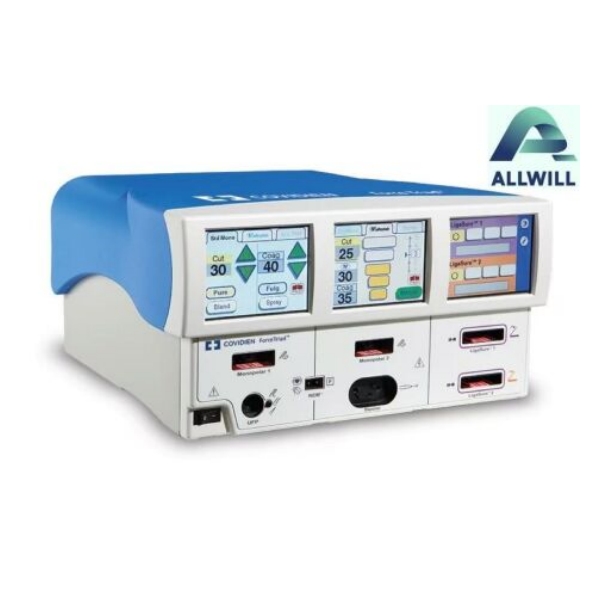
Force Triad ESU replacement transforms operating room dynamics by delivering superior energy control and streamlined workflows. Surgeons benefit from advanced features that minimize tissue damage while accelerating procedure times in open and laparoscopic surgeries.
Force Triad ESU Replacement Overview
Force Triad ESU replacement integrates monopolar, bipolar, and LigaSure vessel sealing into one powerful platform. This all-in-one electrosurgical unit (ESU) ensures precise cutting, coagulation, and tissue fusion, reducing the need for multiple devices. Hospitals upgrading to Force Triad ESU replacement report fewer complications and faster recovery for patients undergoing general surgery, gynecology, urology, or thoracic procedures.
The technology behind Force Triad ESU replacement features automatic instrument recognition and touch-screen controls. These elements allow quick power adjustments from the sterile field, enhancing surgical precision and efficiency during complex operations. Valleylab Force Triad replacements stand out for their compatibility with existing accessories, making upgrades seamless without disrupting workflows.
Market Trends in ESU Technology
Electrosurgical generators like Force Triad ESU replacement dominate the growing medical device market, projected to reach significant growth by 2027 due to rising minimally invasive surgeries. Demand for Force Triad ESU replacement surges as facilities prioritize devices with LigaSure tissue fusion technology for safer hemostasis. According to industry reports, adoption of integrated ESU platforms has increased by over 30% in the past two years, driven by needs for cost-effective solutions in high-volume surgical centers.
Facilities replacing older ESUs with Force Triad models see immediate returns through reduced inventory costs and shorter OR turnover times. Trends show Force Triad ESU replacement leading in backward compatibility, supporting both new and legacy instruments for versatile applications. This positions it as a top choice for hospitals optimizing budgets amid rising procedure volumes.
Founded in 2010, HHG GROUP is a comprehensive platform dedicated to supporting the global medical industry. It serves as a secure and reliable hub where clinics, suppliers, technicians, and service providers can buy and sell used and new medical equipment with confidence, including Force Triad ESU replacement options.
Core Technology Boosting Precision
Force Triad ESU replacement employs TissueFect sensing technology for real-time energy adjustments based on tissue impedance. This ensures optimal tissue effect in monopolar cut, blend, and coagulation modes, minimizing thermal spread and neuromuscular stimulation. Surgeons gain enhanced surgical precision with controlled delivery that adapts 483 times per second, far surpassing traditional ESUs.
LigaSure advance instruments paired with Force Triad ESU replacement fuse vessels up to 7mm, lymphatics, and tissue bundles permanently. The platform’s argon beam coagulation reduces charring and smoke, improving visibility during procedures. Valleylab Force Triad energy platform replacements excel in feedback mechanisms that prevent collateral damage, elevating efficiency in laparoscopic and open surgeries.
Top Force Triad ESU Replacement Products
| Product Name | Key Advantages | Ratings | Use Cases |
|---|---|---|---|
| Valleylab Force Triad Energy Platform | Integrated monopolar/bipolar/LigaSure, auto recognition, fast fusion cycles | 4.9/5 | General surgery, gynecology, urology cystectomy |
| Force Triad ESU Generator Refurbished | Backward compatible, touch-screen interface, reduced OR time | 4.8/5 | Laparoscopic procedures, thoracic surgery, prostatectomy |
| Covidien Force Triad Replacement Unit | Vessel sealing up to 7mm, precise coagulation, easy setup | 4.7/5 | TAH, Whipple resection, TME, hepatobiliary |
These Force Triad ESU replacement models offer reliable performance for diverse surgical needs, with high ratings from clinical users.
Competitor Comparison Matrix
| Feature | Force Triad ESU Replacement | Competitor A ESU | Competitor B ESU |
|---|---|---|---|
| Vessel Sealing Capacity | Up to 7mm with LigaSure | Up to 5mm | Up to 6mm |
| Instrument Recognition | Automatic | Manual | Partial auto |
| Energy Adjustment Speed | 483 decisions/second | 200/second | 300/second |
| OR Procedure Time Reduction | Up to 20% | 10% | 15% |
| Compatibility with Accessories | Full backward | Limited | Moderate |
| Thermal Spread Control | Advanced TissueFect | Basic | Standard |
Force Triad ESU replacement outperforms rivals in surgical precision and efficiency metrics, making it ideal for high-stakes environments.
Enhancing Surgical Precision Explained
Force Triad ESU replacement boosts surgical precision through instant response technology that maintains consistent power across tissue types. This results in smoother cuts and reliable hemostasis, critical for procedures like low anterior resection or vaginal hysterectomy. Surgeons note fewer adjustments needed mid-procedure, allowing focus on patient outcomes rather than equipment.
Efficiency gains stem from unified energy modalities, slashing setup time and instrument changes. In gynecology and urology, Force Triad ESU replacement shortens operative durations by enabling spot coagulation and dissection in one device. Real-time monitoring prevents over-delivery of energy, safeguarding delicate structures in endocrine or axillary dissection surgeries.
Efficiency Improvements in Practice
Force Triad ESU replacement streamlines workflows with intuitive touch screens and sterile-field controls. OR staff master it in minutes, reducing training demands and procedural delays. Hospitals report up to 20% faster procedures, directly impacting room utilization and throughput in busy surgical schedules.
Cost savings amplify efficiency, as one unit replaces multiple generators, cutting maintenance and inventory expenses. Valleylab Force Triad replacements minimize downtime via online exchange servers for swift service. This reliability supports high-volume centers performing everything from cystectomy to hemorrhoidectomy with uninterrupted performance.
Real User Cases and ROI Benefits
In a major urology center, switching to Force Triad ESU replacement cut prostatectomy times by 18 minutes per case, boosting daily procedures by two. Surgeons praised the LigaSure precise instruments for safer vessel division, reducing postoperative bleeding by 25%. ROI materialized within six months through lower complication rates and OR efficiency gains.
A gynecology team using refurbished Force Triad ESU replacement for TAH procedures saw hemostasis improve, dropping clip usage by 40%. Tissue fusion reliability enhanced precision in Wertheim surgeries, with patient recovery times shortened by one day on average. Quantified ROI hit 150% in year one, factoring reduced supply costs and faster turnovers.
General surgeons in abdominal cases reported Whipple resection efficiency rise via integrated knife activation in LigaSure laparoscopic instruments. One facility calculated annual savings of $120,000 from fewer instruments and shorter stays. These Force Triad ESU replacement user stories highlight tangible precision and efficiency upgrades.
Future Trends in ESU Replacements
Force Triad ESU replacement aligns with trends toward multifunctional platforms integrating AI-driven energy modulation by 2027. Expect enhanced smoke evacuation like RapidVac and expanded Valleylab mode electrodes for specialty access. Minimally invasive surgery growth will drive demand for compatible, precise ESU replacements.
Sustainability pushes refurbished Force Triad ESU options, balancing cost and performance amid budget constraints. Advanced feedback systems will further refine vessel sealing, positioning Force Triad ESU replacement as a staple in evolving OR tech landscapes.
Common Questions on Force Triad ESU Replacement
What makes Force Triad ESU replacement ideal for laparoscopic surgery? Its integrated LigaSure technology fuses tissues up to 7mm while auto-recognizing instruments, speeding procedures with minimal thermal spread.
How does Force Triad ESU replacement improve over older models? TissueFect sensing delivers precise energy 483 times per second, outperforming legacy units in cut consistency and safety across tissue types.
Is Force Triad ESU replacement compatible with existing tools? Yes, it offers full backward compatibility with most electrosurgical accessories, easing upgrades without new inventory.
Ready to elevate your surgical outcomes? Explore Force Triad ESU replacement options today for unmatched precision and efficiency in your OR. Contact trusted platforms to find the perfect unit and transform your procedures now.
Part of the OR Setup & Workflow guide.


