Medtronic AP40AST used purchase checklist
An acquisition checklist for perfusion teams and buyers evaluating a used AP40AST blood pump converter, current as of September 2026. It does not give clinical or repair guidance, and it makes no claim about…
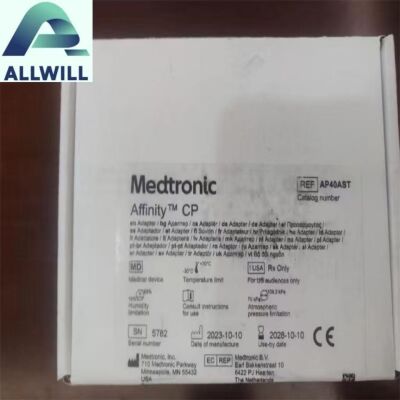
An acquisition checklist for perfusion teams and buyers evaluating a used AP40AST blood pump converter, current as of September 2026. It does not give clinical or repair guidance, and it makes no claim about manufacturer authorization of any sale.
The AP40AST is a small component with an outsized role: it is the part that sits between a console and the pump it drives. That makes it an awkward used purchase, because the things that matter are the things a listing photo cannot show ¡ª whether the unit matches the console it will be used with, whether its cables and case came with it, and whether anyone has evidence that it works. This checklist separates the questions that matter from the ones that only look reassuring.
What a used purchase should include
Begin with what is in the box. For a component of this type, the accessories are part of the product: without the right cable set, the unit cannot be connected, and a replacement cable may be harder to obtain than the converter itself.
| Item | Why it matters | Evidence to ask for |
|---|---|---|
| The converter unit | Identity has to match the invoice and the console it will serve | Label photograph showing model and serial; invoice line describing the same unit |
| Cables and connectors | The unit is unusable without the correct cable set | Photographs of each cable with its connectors, and confirmation that they are the ones specified for your console |
| Carry case or mounting | Protects the unit in storage and transport | Photograph of the case as supplied |
| Labeling and instructions | Establishes the configuration and the intended connections | Photographs of any labeling supplied with the unit |
| Test or service evidence | Separates “it powered on” from “it was checked” | Dated record naming the check performed and who performed it |
Visual and label checks
Inspect for the failures that matter rather than for cosmetic wear. Housing cracks, damaged connector pins, bent or corroded contacts, and a strained cable entry are functional findings; scuffs on a case are not. Where the unit has been opened, ask who opened it and why, because third-party work without documentation is a risk you cannot price.
- Model and serial read from the unit, not from the listing.
- Connector pins and contacts inspected for damage, corrosion or bending.
- Cable insulation checked along its length, especially at the strain relief.
- Any evidence of prior opening, re-sealing or re-labeling noted and questioned.
- Photographs taken before the unit is accepted, filed against the purchase order.
Test and service evidence
Ask what testing was performed, by whom, on what date, and against what procedure. A meaningful record names the check, the result and the person or organization responsible; “tested and working” names none of those. For anything involving electrical safety, the work belongs with qualified personnel following the manufacturer’s procedure rather than with the buyer in a receiving bay.
Where no test record exists, treat the unit as untested and decide how you will verify it after arrival. That verification is part of the purchase cost, and it should be reflected in the price you agree.
Confirming compatibility before purchase
Compatibility is the check most often left until the unit arrives. Establish it in advance against documentation rather than against a seller’s assurance: which console the unit will be connected to, which cable or interface that console requires, and whether any configuration detail ¡ª a revision, a connector variant ¡ª separates a compatible unit from one that merely looks identical.
Where the answer is not documented, say so in the purchase terms. A conditional acceptance clause tied to a compatibility check after delivery is worth more than a verbal assurance before payment.
Comparing quotes fairly
Two quotes for the same part number are not comparable until three variables are equalised: what is included, what evidence accompanies it, and what the seller will do if the unit fails your acceptance check. Build the comparison on those three columns rather than on price alone.
| Comparison column | What to record for each quote |
|---|---|
| Included items | Unit, cable set, case, labeling, any spare parts |
| Evidence provided | Test record, service history, warranty statement from the seller |
| Remedy if it fails | Return window, who pays return freight, conditions attached |
Storage, transport and spare parts
Plan how the unit will be stored and what happens if it fails. Storage conditions come from the manufacturer’s documentation, and for a component of this type the case is part of that protection rather than an accessory. On the spares side, establish whether a second cable set or a spare unit is warranted for your workload: a converter that fails mid-list without a replacement available can interrupt a case that the department had planned around it. If the case for a spare is weak, at minimum confirm the lead time for a replacement before you depend on a single unit.
Inspection and return terms
Before you buy, confirm the length of the inspection window, what happens if the unit fails your check, who bears the cost of returning it, and whether the price is contingent on the item passing. Those four terms decide what a disappointing delivery actually costs you ¡ª and they are agreed before payment or not at all.
Questions buyers ask
Is a used AP40AST a sensible purchase?
It can be, particularly where you already run the compatible console and understand the cable and interface requirements. The purchase is sensible when the included items, the compatibility and the acceptance terms are all established in advance.
Do we need the original case and cables?
Treat the cables as essential rather than optional: without the correct set the unit cannot be connected, and sourcing a replacement may be harder than sourcing the converter. The case protects the unit in storage and transport and is worth insisting on.
What if the seller has no test record?
Price the unit as untested, plan the verification as part of acceptance, and make the sale conditional on that check. That is a normal and workable arrangement when it is agreed up front.
Separate the cosmetic from the functional, then price what you cannot verify. If you are evaluating a unit and want the documentation that travels with it, ask HHG for the records on a specific item, or review the current AP40AST listing as a reference point. For the functional side of the same component, see troubleshooting the AP40AST converter.