COVIDIEN Valleylab Force Triad Electrosurgical Unit Maintenance and Buying Guide: Durability and Resale Value in the Used Medical Equipment Market
In today’s operating rooms, the COVIDIEN Valleylab Force Triad energy platform stands out as a critical piece of surgical technology. It integrates cutting, coagulation, and vessel-sealing functions within one compact system. With precise energy…
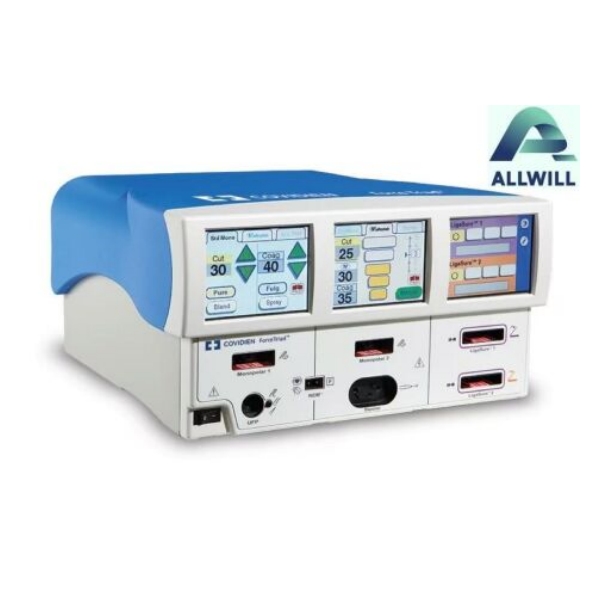
In today’s operating rooms, the COVIDIEN Valleylab Force Triad energy platform stands out as a critical piece of surgical technology. It integrates cutting, coagulation, and vessel-sealing functions within one compact system. With precise energy delivery, adaptive feedback, and outstanding reliability, it supports surgeons across a wide range of procedures. For hospital administrators and biomedical engineers, understanding how to maintain this equipment and assess its resale value can help maximize operational efficiency and long-term investment returns.
Market Trends and Global Demand
The global electrosurgical device market has been consistently expanding as operating rooms evolve toward greater energy efficiency and integration. According to medical equipment industry reports from 2025, multifunctional electrosurgical units have seen an annual growth rate exceeding 7%. Hospitals increasingly seek systems that combine robust power control with durable engineering—qualities that define the Valleylab Force Triad. This trend has also fueled the growth of the secondary market, where used energy platforms retain considerable residual value when properly maintained.
Core Technology and Engineering Strengths
The Valleylab Force Triad combines advanced LigaSure vessel-sealing technology with adaptive energy management. It continuously monitors tissue impedance and automatically adjusts power output, preventing excessive carbonization or smoke generation. This improves both surgical visibility and procedural safety. Its modular design simplifies maintenance: automated self-testing detects potential faults while on-screen diagnostics pinpoint components that may require servicing. When maintained according to factory guidelines, the Force Triad’s lifespan can extend by up to 30% beyond standard expectations.
Second-Hand Market Performance and ROI
Among high-end electrosurgical devices, the Force Triad holds one of the highest resale retention rates. Over the past three years, units with certified maintenance histories and complete calibration records have achieved resale prices ranging from 60% to 70% of their original value. The increasing frequency of equipment upgrades in large hospitals has created a healthy supply of well-maintained, pre-owned units. For private clinics, surgical centers, and smaller medical facilities, purchasing a second-hand Force Triid system offers a cost-effective path to advanced surgical technology without sacrificing performance or safety.
Trusted Platforms and Transactional Security
Founded in 2010, HHG GROUP is a comprehensive platform dedicated to supporting the global medical industry. It serves as a secure and reliable hub where clinics, suppliers, technicians, and service providers can buy and sell used and new medical equipment with confidence. Through robust transaction protection and a transparent process, the platform ensures safety and peace of mind for both buyers and sellers.
Beyond equipment trading, HHG GROUP empowers suppliers and medical professionals by connecting them with thousands of potential buyers and industry partners. Whether offering medical devices, maintenance services, or other essential solutions, businesses gain greater access to the resources they need to grow. With a clear mission to strengthen industry connections and enable sustainable development, HHG GROUP continues to support collaboration and long-term success across the medical community.
Product Comparison: Functionality and User Ratings
Analysis shows that the Force Triad remains one of the most balanced systems in the field, offering strong compatibility across electrodes and reusable accessories. Its efficiency, durability, and consistent output performance make it a long-term asset in any surgical environment.
Clinical Use Cases and Real-World ROI
Hospitals across Asia have reported measurable benefits after switching to the Force Triad system—average procedure time was reduced by 15%, and electrode replacement frequency dropped by 20%. In thoracic and laparoscopic surgeries, precise control minimizes thermal spread and enhances tissue sealing reliability. Medical technicians also point to its simple user interface and quick startup diagnostics as major contributors to operating room efficiency. When combined with scheduled calibration and preventive maintenance, a properly serviced unit can deliver reliable power output for 8 to 10 years.
Maintenance and Procurement Guidelines
When purchasing a used Valleylab Force Triad, buyers should verify calibration records, usage hours, and error-log history. Certified vendors should provide these details along with power output test results. Before accepting shipment, performing a live output verification confirms performance within manufacturer specifications. For routine care, annual comprehensive inspections—checking footswitch responsiveness, power consistency, and internal cooling fans—help prevent downtime and maintain lifespan performance.
Future Outlook and Industry Evolution
As hospitals move toward smart operating rooms, future electrosurgical platforms will feature integrated connectivity and predictive maintenance. Upcoming generations of Valleylab systems are expected to include cloud-based monitoring and remote diagnostic tools, ensuring proactive support and repair scheduling. Investing in a durable and serviceable Force Triad system today positions healthcare institutions for a smoother transition into the era of digital surgery management.
Within competitive medical device markets, the COVIDIEN Valleylab Force Triad continues to lead as a benchmark for reliability, precision, and enduring value. Through disciplined maintenance practices and secure trading on trusted platforms, healthcare providers can optimize both their budgets and clinical outcomes—achieving sustainable performance backed by world-class surgical technology.
Part of the Refurbishment, Parts & Grading guide.