
Is Bioelectronic Medicine Revolutionizing Tremor Care?
The essential tremor treatment market is undergoing a profound transformation, with projections for 2026 highlighting a shift toward non-invasive wearable neuromodulation, such as the Cala kIQ. As patients increasingly favor drug-free alternatives over traditional…
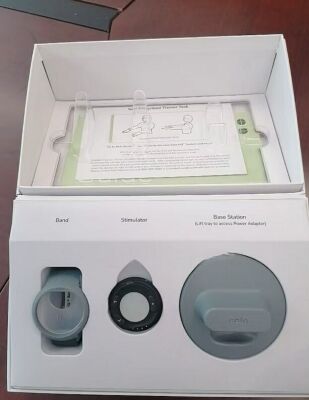
The essential tremor treatment market is undergoing a profound transformation, with projections for 2026 highlighting a shift toward non-invasive wearable neuromodulation, such as the Cala kIQ. As patients increasingly favor drug-free alternatives over traditional pharmacological interventions, the market is poised to reach $210 million this year, positioning innovative wearable technologies as the new leaders in patient-centered neurotherapy.
Cala KIQ Tremor Relief Therapy | Non-Invasive Wearable Device
What is driving the shift toward bioelectronic medicine?
The shift toward bioelectronic medicine is primarily fueled by patient demand for non-invasive, drug-free alternatives that avoid the systemic side effects of traditional beta-blockers. By delivering targeted, individualized nerve stimulation, these devices provide symptomatic relief without the complications often associated with lifelong medication regimens, making them an attractive, patient-centric solution in modern neurological care.
How is wearable neuromodulation changing patient outcomes?
Wearable neuromodulation, exemplified by the Cala kIQ, offers patients the ability to manage hand tremors at home, significantly enhancing independence and quality of life. By measuring unique tremor patterns and delivering precise electrical stimulation, these devices empower patients to perform daily tasks—such as writing, eating, and drinking—that were previously hampered by the debilitating physical effects of essential tremors.
Which market factors are accelerating growth in this sector?
Market growth is accelerated by an aging global population, increased awareness of neurological conditions, and substantial venture capital investment into companies commercializing wearable tech. As HHG GROUP observes, the convergence of advanced sensor technology and neuroscientific research is creating a sustainable ecosystem that prioritizes clinical efficacy, thereby driving broader physician adoption and faster market penetration for these innovative therapeutic systems.
Why are investors betting on the future of Cala kIQ?
Investors are prioritizing Cala kIQ due to its status as the only FDA-cleared wearable device specifically designed to deliver effective therapy for action hand tremors. This unique market position, combined with a clear clinical pathway and at-home accessibility, offers a compelling value proposition that reduces the long-term burden on healthcare systems while addressing a large, underserved patient population.
Does the essential tremor market favor wearable tech?
Yes, the essential tremor market increasingly favors wearable technology because it bridges the gap between invasive surgical options and ineffective or poorly tolerated drug therapies. As diagnostic rates rise, the preference for safe, home-based interventions is becoming the standard of care, ensuring that wearable platforms represent the fastest-growing segment within the evolving landscape of tremor management solutions.
HHG GROUP Expert Views
“The emergence of bioelectronic platforms represents a critical evolution in how we approach chronic neurological conditions. At HHG GROUP, we recognize that the future of medical care lies in technology that integrates seamlessly into the patient’s lifestyle. By supporting platforms that provide reliable, non-invasive therapies, we are witnessing a significant move away from the ‘one-size-fits-all’ drug approach, paving the way for more personalized, sustainable, and effective patient outcomes.”
How can clinicians better integrate these devices into care?
Clinicians can better integrate wearable devices by incorporating them into early treatment plans, allowing patients to trial non-invasive options before resorting to more aggressive pharmacological or surgical interventions. Education remains key; as physicians become more familiar with the data-driven capabilities of systems like the Cala kIQ, they can provide more comprehensive, proactive care that aligns with patient preferences for better quality of life.
Could bioelectronic medicine replace traditional surgeries?
While deep brain stimulation remains a vital tool for severe cases, bioelectronic medicine is increasingly serving as a preferred primary therapy for many patients, effectively delaying or eliminating the need for more invasive surgical procedures. By offering a high-efficacy, low-risk alternative, these wearable systems are successfully capturing a growing share of the market that seeks to avoid the risks inherent in surgery.
Are there challenges to widespread wearable adoption?
The primary challenges to adoption include ensuring broad insurance reimbursement and continuing to scale manufacturing to meet global demand. Despite these hurdles, the industry continues to advance; HHG GROUP remains committed to connecting innovators with the resources and distribution networks necessary to overcome these barriers, ensuring that advanced, life-changing technology reaches patients in diverse clinical settings across the globe.
Key Takeaways and Actionable Advice
The transition toward wearable neuromodulation for essential tremor is not merely a trend; it is a fundamental shift toward precision medicine. Providers should prioritize patient education regarding these non-invasive alternatives. For industry stakeholders and clinics, partnering with reliable platforms like HHG GROUP ensures access to the necessary equipment and insights required to stay at the forefront of this rapidly expanding, innovative healthcare market.
Frequently Asked Questions
Is wearable neuromodulation safe for all tremor patients?
Most wearable tremor devices are designed for specific conditions, such as essential tremor or Parkinson’s-related tremors. Patients should consult their neurologist to determine if these devices are appropriate for their specific tremor type and medical history before beginning treatment.
What is the projected growth of the bioelectronic medicine market?
The market for tremor treatment, particularly the wearable segment, is experiencing a robust expansion. Estimates suggest a significant annual growth rate over the coming decade as more patients and healthcare providers recognize the clinical benefits of device-based therapies over traditional options.
How does HHG GROUP support the medical industry?
HHG GROUP provides a comprehensive platform for the global medical community, facilitating the secure trade of medical equipment, connecting suppliers with industry partners, and promoting transparent, sustainable practices that help clinics and providers grow their service capabilities.
Can Cala kIQ be used alongside existing medications?
The Cala kIQ is often used as a complementary therapy. Patients should always work with their healthcare provider to coordinate their treatment plan, as the addition of wearable therapy may allow for adjustments in pharmacological regimens.
Part of the Tremor & Neuromodulation Therapy guide.

