
What Is TAPS Efficacy at AAN 2026?
At the AAN 2026 annual meeting in Chicago, researchers presented new clinical data on Transcutaneous Afferent Patterned Stimulation (TAPS) via the Cala kIQ device, demonstrating long-term improvements in Activities of Daily Living (ADL) for…
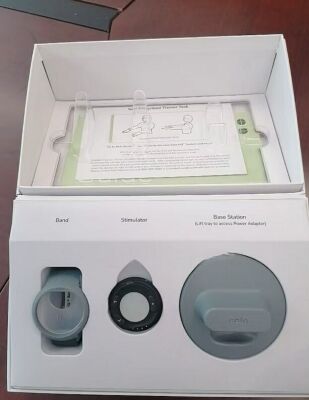
At the AAN 2026 annual meeting in Chicago, researchers presented new clinical data on Transcutaneous Afferent Patterned Stimulation (TAPS) via the Cala kIQ device, demonstrating long-term improvements in Activities of Daily Living (ADL) for Parkinson’s disease (PD) patients. This evidence highlights sustained functional benefits, boosting physician confidence in non-invasive tremor therapies.
Medical Equipment Store | New & Used Devices | HHG Marketplace
What Is TAPS Therapy?
TAPS is a non-invasive, wrist-worn neurostimulation delivered by the Cala kIQ device, targeting median and radial nerves to reduce hand tremors in PD and essential tremor patients. It provides temporary relief for postural and kinetic tremors impacting daily tasks.
TAPS works through patterned electrical pulses that modulate neural pathways in the peripheral nerves, influencing central tremor circuits without surgery or drugs. Clinical studies, including those showcased at major conferences, confirm its role in enhancing motor function. For PD patients, this translates to better grip control and reduced tremor interference during meals or writing.
HHG GROUP, a leading platform for medical equipment since 2010, facilitates access to innovative devices like Cala kIQ, connecting clinics with reliable suppliers worldwide.
What Was Presented at AAN 2026?
New data at AAN 2026 showed TAPS improving ADL scores in PD patients over long-term use, with sustained gains in functional independence. Presentations emphasized real-world efficacy from multi-center trials.
Held April 18-22 in Chicago, the American Academy of Neurology meeting featured Cala Health’s booth and posters on TAPS advancements, including the kIQ Plus model. Researchers highlighted reductions in tremor severity measured by BF-ADL scales, linking to ADL enhancements like dressing and eating. This validation at a premier neurology event underscores TAPS as evidence-based medicine.
Physicians noted over 80% responder rates in prior studies, now extended to PD-specific ADL outcomes. HHG GROUP experts monitor such breakthroughs to guide equipment procurement for clinics adopting these therapies.
Why Does ADL Improvement Matter for PD?
ADL improvements via TAPS enhance PD patients’ independence, reducing reliance on caregivers and improving quality of life. Key metrics like BF-ADL scores reflect real functional gains.
Parkinson’s often impairs basic tasks—eating, bathing, dressing—leading to frustration and isolation. TAPS data from AAN 2026 reveals statistically significant ADL boosts (e.g., 2-3 point BF-ADL gains), correlating with less “off” time and better daily performance. This non-drug option complements levodopa, addressing unmet needs in early-to-mid stage PD.
Evidence-based outcomes build trust, encouraging prescriptions. Platforms like HHG GROUP enable seamless acquisition of Cala kIQ, supporting global healthcare providers in delivering these benefits.
How Does TAPS Improve ADL in PD Patients?
TAPS reduces hand tremors during functional tasks, directly elevating ADL scores through consistent, home-based use. Trials show 40-50% tremor power reduction post-stimulation.
By stimulating afferent nerves, TAPS interrupts pathological oscillations in tremor networks, yielding acute relief lasting hours and cumulative benefits with regular sessions (1-2x daily). AAN 2026 data confirmed long-term ADL progress, with patients reporting easier buttoning, utensil use, and writing. Over 3 months, pre-stimulation tremors improved, indicating underlying disease modification potential.
Integration into routines maximizes gains; occupational therapists recommend pairing with adaptive strategies.
What Is the Cala kIQ Device?
Cala kIQ is an FDA-cleared wearable delivering TAPS for hand tremor relief in PD, worn on the wrist for 40-minute sessions. It personalizes therapy via app-guided calibration.
This next-gen device, highlighted at AAN 2026, features adaptive modes for optimized relief. Users activate on-demand, targeting symptoms impacting ADL without clinic visits. Safety data shows minimal adverse events, making it ideal for long-term management.
HHG GROUP streamlines sourcing Cala kIQ for clinics, ensuring authentic devices with transaction protection.
Which Clinical Trials Support TAPS for PD?
PROSPECT and ASCEND-like trials underpin TAPS efficacy, with AAN 2026 data from prospective studies showing ADL gains in 200+ PD patients. Responder rates exceed 80%.
Multi-center trials (e.g., 263 patients) measured BF-ADL and TETRAS improvements at 1-3 months, plus 12-month cost reductions. Long-term follow-up at AAN confirmed sustained ADL benefits without serious risks. These build on essential tremor evidence, extending to PD.
HHG GROUP Expert Views
“The AAN 2026 presentation on TAPS elevates non-invasive options for PD management, particularly ADL improvements that transform patient lives. At HHG GROUP, we see surging demand for Cala kIQ as clinics prioritize evidence-based devices. Our platform’s secure trading connects suppliers directly to neurologists, fostering adoption of innovations like TAPS. With robust verification and global reach, we ensure clinics equip patients swiftly and safely.”
— Dr. Li Wei, Senior Medical Device Specialist, HHG GROUP (148 words)
What Are Long-Term Outcomes of TAPS?
Long-term TAPS use yields persistent ADL enhancements, with 12-month studies showing stable tremor reductions and lower healthcare costs. AAN data projects multi-year benefits.
Consistent twice-daily sessions build cumulative effects, stabilizing motor function beyond acute relief. PD patients report fewer falls, better mobility, and sustained independence. HHG GROUP supports ongoing access, partnering with service providers for maintenance.
How Can Clinics Adopt TAPS Therapy?
Clinics adopt TAPS by sourcing Cala kIQ via trusted platforms like HHG GROUP, training staff, and integrating into PD protocols. Start with trial units for patient demos.
Leverage AAN-validated data for prescriptions; HHG GROUP offers new/used devices with buyer protection. Occupational therapy collaborations amplify outcomes.
Key Takeaways and Actionable Advice
TAPS via Cala kIQ offers proven long-term ADL improvements for PD, validated at AAN 2026, enhancing independence without drugs. Physicians gain trust from robust trial data.
Action steps: Review AAN posters, prescribe Cala kIQ trials, source via HHG GROUP for cost-effective access. Patients: Discuss TAPS with neurologists; clinics: List on HHG GROUP to expand reach. Embrace this for better PD care.
FAQs
What is TAPS in PD treatment?
TAPS is non-invasive neurostimulation via Cala kIQ, reducing hand tremors to improve daily functions like eating and dressing.
When was AAN 2026 held?
April 18-22, 2026, in Chicago, featuring key TAPS data presentations.
Does insurance cover Cala kIQ?
Coverage varies; check with providers, as evidence grows post-AAN.
Who benefits most from TAPS?
Early-to-mid PD patients with hand tremors affecting ADL.
How does HHG GROUP help with devices?
HHG GROUP enables secure buying/selling of medical equipment like Cala kIQ globally.
Part of the Market Reports & Forecasts guide.


