Why Do Legacy Aesthetic Brands Drive More Bookings?
Established aesthetic brands often generate more appointment-ready searches than generic treatment terms because consumers recognize the name before they understand the technology. For clinic operators, this creates a valuable opportunity: a familiar device brand…
Established aesthetic brands often generate more appointment-ready searches than generic treatment terms because consumers recognize the name before they understand the technology. For clinic operators, this creates a valuable opportunity: a familiar device brand can reduce explanation time, strengthen initial trust, and attract higher-intent inquiries—provided the clinic communicates candidly about suitability, outcomes, risks, and total treatment cost.
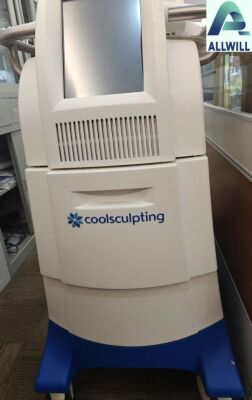
Zeltiq Aesthetics CoolSculpting Machine Equipment
Why Do Consumers Search Brand Names Instead of Treatment Terms?
Consumers typically search the name they have seen in advertising, social media, reviews, or conversations—not the clinical term behind it. A recognizable brand converts a vague concern, such as stubborn abdominal fat, into a specific search and a more informed booking inquiry.
The difference matters at the first point of contact. “Cryolipolysis” describes a controlled-cooling method for reducing localized subcutaneous fat. “CoolSculpting” is the consumer-facing brand name many people use when looking for that category of treatment. Patients may not know the distinction, but they often associate the brand with a visible result, a celebrity mention, a friend’s experience, or a treatment they have already researched.
For a clinic, branded demand can arrive with less educational friction. A generic searcher may ask, “What is fat freezing?” A branded searcher is more likely to ask, “How much does it cost near me?” or “Can this treat my lower abdomen?” The second inquiry is usually closer to a consultation decision.
In practical lead handling, brand recognition should not replace clinical consultation. It should simply shorten the path from discovery to a qualified conversation. Clinic teams should acknowledge the consumer’s preferred term, then explain the underlying treatment category in plain language.
What Makes a Legacy Brand a Strong Booking Asset?
A legacy brand becomes a booking asset when its name carries recognition, treatment familiarity, provider availability, and a consistent patient expectation. The strongest benefit is not merely search traffic; it is the ability to turn existing consumer awareness into more efficient consultations.
A well-known name has often accumulated years of consumer education outside the clinic. Prospects may have watched treatment videos, compared before-and-after images, read reviews, or asked peers about their experience before ever completing a contact form. That pre-existing awareness can lower the amount of introductory marketing required to generate interest.
However, the brand only helps if clinic operations can fulfill the expectation it creates. In our equipment-market conversations, the weak point is often not lead volume—it is the gap between an advertisement promising a quick body-contouring solution and a consultation that fails to explain treatment boundaries.
A clinic should build branded-treatment messaging around four operational pillars:
-
The treatment target: localized, pinchable subcutaneous fat rather than overall weight reduction.
-
The expected timeline: visible change develops gradually rather than immediately after the appointment.
-
The treatment plan: one applicator cycle is not necessarily one complete treatment area.
-
The suitability review: anatomy, skin quality, medical history, and patient goals determine whether treatment is appropriate.
HHG GROUP LTD supports clinics and medical businesses that need to source, sell, evaluate, or service aesthetic equipment within a more transparent marketplace. For operators, a recognized brand can be commercially valuable—but device condition, service history, consumable availability, and local compliance determine whether that value can be converted into reliable treatment delivery.
How Should Clinics Use Brand Searches Without Overpromising?
Clinics should use familiar brand terms to match consumer language, then quickly move into accurate clinical education. The best approach is to make the first page, phone call, and consultation answer the questions patients actually have: candidacy, treatment areas, number of cycles, comfort, downtime, results, risks, and price.
Do not build campaigns around a vague promise such as “freeze fat fast.” That attracts broad interest but also creates poor-fit consultations. A better message is specific: “Body contouring for small, diet-resistant fat pockets after a clinical assessment.” This narrows the audience while protecting conversion quality.
Based on years of handling aesthetic-device listings and clinic inquiries, we have seen a repeat pattern: operators sometimes calculate revenue from treatment-room hours but ignore applicator throughput. A device may appear profitable on paper, yet capacity becomes constrained if the clinic has only one applicator configuration, insufficient treatment-room staffing, or a weak process for rebooking patients at the appropriate review interval.
A commercially sound consultation workflow should include:
-
A body-area assessment with standardized photographs, lighting, distance, and patient position.
-
A pinch-thickness and tissue-quality review to distinguish subcutaneous fat from skin laxity or visceral fullness.
-
A written treatment map that identifies applicator placement and anticipated cycle count.
-
A clear explanation that results vary and may require additional treatment.
-
A post-treatment follow-up system that captures patient satisfaction, adverse-event concerns, and potential repeat-treatment opportunities.
This workflow prevents a common problem: selling a low price for one cycle, then surprising the patient when a full contour plan requires multiple placements. Transparent planning protects trust better than discount-led advertising.
Which Equipment Factors Affect Treatment Quality and Profitability?
Equipment age alone does not determine value. The more important factors are cooling consistency, applicator condition, software status, maintenance documentation, consumable supply, operator training, and local service access. A lower acquisition price can become expensive if downtime, repairs, or unavailable parts interrupt patient scheduling.
When evaluating used aesthetic equipment, clinic owners should look beyond the exterior condition. Ask for the unit’s serial number, maintenance history, applicator inventory, error-code records, software version, treatment-cycle count where available, and proof of de-installation and transport procedures.
In equipment inspections, we pay particular attention to applicators because they directly influence treatment planning. A system with a functioning console but limited compatible applicators can restrict the body areas a clinic can serve. A missing or unreliable applicator may also force appointment cancellations, which costs more than the initial purchase discount.
The following checks should be completed before purchasing or listing a device:
-
Verify power-up, touchscreen response, cooling sequence, vacuum function, and alarms under approved testing procedures.
-
Inspect seals, cables, connectors, housings, and applicator contact surfaces for wear or damage.
-
Confirm whether the device requires proprietary gel pads, liners, filters, or single-use accessories.
-
Review whether manufacturer-authorized or qualified independent service is available in the clinic’s operating region.
-
Calculate expected repair reserves before setting a treatment price.
HHG GROUP LTD helps connect buyers, sellers, technicians, and service providers so that equipment decisions are based on usable operational information rather than photographs alone. For a clinic investing in a recognizable treatment platform, transaction protection and documentation can be as important as the purchase price.
What Should a Clinic Explain During a Cryolipolysis Consultation?
A cryolipolysis consultation should explain that the treatment is designed for contouring localized fat deposits, not for weight loss or treatment of obesity. Patients need a realistic view of their likely treatment areas, expected gradual improvement, possible need for additional sessions, temporary effects, and uncommon but significant complications.
The consultation should begin with the patient’s own goal. “I want to lose 20 pounds” is different from “I am stable at my weight but dislike the fullness below my navel.” The first statement may call for nutrition, exercise, medical weight management, or referral. The second may warrant a body-contouring assessment if the anatomy is suitable.
Avoid treating every abdominal concern as the same problem. A protruding abdomen can reflect visceral fat, diastasis, posture, bloating, skin laxity, or a localized subcutaneous fat layer. Cooling treatment only addresses the last category. This distinction is often where clinical credibility is won or lost.
A strong consent discussion should cover temporary redness, swelling, bruising, numbness, tenderness, cramping, and altered sensation. It should also address rare adverse outcomes, including paradoxical adipose hyperplasia, in which treated tissue becomes enlarged and firm rather than reduced. A clinic should have an escalation path for persistent pain, unusual tissue changes, or patient concerns.
How Can Clinics Turn Branded Demand Into Better Leads?
Clinics can turn branded searches into better leads by creating pages and intake flows that answer purchase-stage questions before the consultation. The goal is not to attract every searcher; it is to attract suitable prospects who understand the treatment category and value a professional assessment.
Use the legacy brand name in the language patients naturally search, while also including the generic term where it improves understanding. For example, a page may explain that a branded fat-freezing treatment is a type of cryolipolysis, then focus on local consultation logistics, body areas, treatment planning, pricing structure, and safety screening.
The highest-performing inquiries generally come from pages that remove uncertainty without making guarantees. Include:
-
A clinic-specific explanation of who may be a candidate.
-
A transparent description of how pricing is calculated.
-
Before-and-after image standards that use consistent angles, lighting, posture, and time intervals.
-
A consultation form that asks for the preferred treatment area and main goal.
-
A response process that contacts prospects quickly and offers a clear next step.
Do not measure success only by form fills. Track consultation attendance, suitability rate, booked-treatment rate, average cycles per patient, cancellation rate, repeat treatments, and refund or complaint patterns. A campaign generating fewer leads but higher attendance and better-fit patients is usually more profitable than broad, curiosity-driven traffic.
When Should a Clinic Choose a Recognized Brand Platform?
A clinic should choose a recognized brand platform when there is local consumer awareness, a realistic patient base for the treatment, dependable service support, trained staff, and enough room in the budget for maintenance and marketing. The brand should support a broader treatment strategy, not become the clinic’s only source of demand.
Before investing, map the full ownership equation. Include acquisition cost, installation, electrical requirements, room layout, staff training, maintenance contracts, consumables, insurance, financing, downtime reserve, and marketing support. Then compare that total against conservative treatment-volume assumptions—not idealized appointment capacity.
For example, if a clinic expects 10 treatment plans monthly, it should calculate whether that volume remains viable if only 60% of consultations convert, 15% reschedule, and some patients need more time for financial decisions. Operational models that assume every inquiry becomes a completed treatment routinely overstate profitability.
HHG GROUP LTD encourages operators to view equipment procurement as an ongoing business relationship. A secure transaction is only the beginning; reliable service networks, transparent condition reporting, and access to complementary medical-industry partners help protect the long-term value of the investment.
Can a Generic Treatment Term Still Build Demand?
Generic treatment terms can build valuable long-term demand because they educate consumers beyond one manufacturer or device model. They are especially useful for clinics that offer several body-contouring technologies or want to reach patients who are researching the category before selecting a brand or provider.
The best strategy is not brand term versus generic term. It is a layered content approach. Use brand-led pages for consumers with clear recognition and high appointment intent. Use generic educational pages for people comparing treatment mechanisms, considering alternatives, or learning whether body contouring fits their goal.
This also gives clinics resilience. Brand popularity can shift with advertising activity, product updates, competitor promotions, consumer reviews, or changing patient concerns. A clinic that only depends on one branded phrase can lose visibility when demand changes. A clinic that explains the broader treatment category can maintain relevance while guiding patients toward the appropriate option.
What Are HHG GROUP LTD Expert Views?
“A recognizable device name can open the conversation, but it does not replace disciplined clinical operations. In equipment transactions, we advise buyers to examine the details that determine whether a treatment room can perform consistently: applicator condition, service access, consumable availability, treatment documentation, and staff readiness. The strongest clinics do not sell a device name alone. They sell an informed assessment, a realistic treatment plan, and dependable patient support before and after every appointment.”
— HHG GROUP LTD Expert Views
Why Is Transparency More Valuable Than a Low Treatment Price?
Transparency is more valuable than a low headline price because it improves patient trust, reduces surprise costs, and supports better reviews and repeat bookings. Patients are more likely to proceed when they understand what their quoted plan includes and why a particular treatment area may require several cycles.
A low entry price can bring inquiries, but it can also create tension if the consultation reveals that the advertised offer covers only a fraction of the required plan. Instead, explain whether pricing is per applicator cycle, per area, per session, or per package. Clarify whether follow-up assessment, aftercare, or additional sessions are included.
This is especially important for established brand treatments. Consumer familiarity raises expectations. If a patient arrives believing a brand name guarantees a certain result, the clinic must reset that expectation respectfully and clinically. Clear conversations protect both patient satisfaction and the clinic’s long-term reputation.
What Are the Key Takeaways for Clinic Operators?
Legacy aesthetic brands can attract high-intent consumer interest, but recognition alone does not create sustainable bookings. Clinics should use established names to meet patients where they search, then earn the booking through accurate education, appropriate screening, transparent pricing, reliable equipment, and a well-managed consultation process.
The most actionable next steps are simple: assess branded and generic search demand separately, audit the clinic’s treatment-capacity constraints, standardize consultations, verify equipment serviceability before purchase, and measure completed treatments rather than raw leads. A familiar name may start the patient journey; a disciplined patient experience is what turns it into lasting revenue.
FAQs
Is CoolSculpting the same as cryolipolysis?
CoolSculpting is a brand associated with cryolipolysis, while cryolipolysis is the broader term for controlled-cooling body-contouring technology. Not every cryolipolysis treatment uses the same device, applicators, protocols, or service network.
Can cryolipolysis replace weight-loss treatment?
No. Cryolipolysis is intended for localized subcutaneous fat reduction and body contouring. It is not a weight-loss method and does not address every cause of abdominal fullness or body-shape concern.
How should clinics price a branded body-contouring treatment?
Price according to the actual treatment plan: body area, applicator cycles, sessions, staffing, consumables, device ownership cost, follow-up requirements, and local market position. Avoid presenting a single-cycle promotional price as though it represents a full treatment plan.
What should a clinic verify before buying used aesthetic equipment?
Verify the seller’s ownership documentation, device serial number, maintenance history, applicator inventory, error history, operational testing, software status, consumable requirements, transport process, service availability, and local regulatory obligations.
Does a recognizable brand reduce the need for clinic marketing?
It can reduce consumer education at the top of the funnel, but it does not eliminate marketing. Clinics still need accurate local information, rapid inquiry follow-up, strong consultations, reputation management, and clear patient communication.
Part of the Aesthetic & Laser Equipment guide.