B Braun Nerve Stimulator System and Regional Anesthesia Precision
Market-leading precision in regional anesthesia hinges on real-time feedback, accuracy, and streamlined workflow. The B Braun Nerve Stimulator System integrates advanced electrical nerve stimulation with thoughtful design to enhance nerve localization, dosing decisions, and…
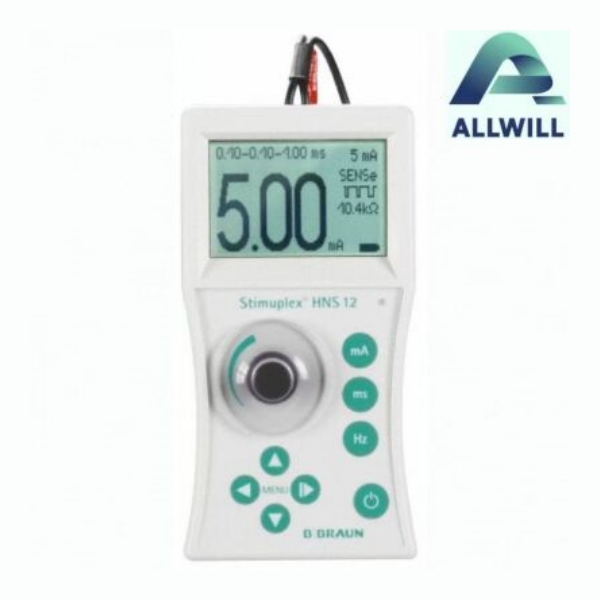
Market-leading precision in regional anesthesia hinges on real-time feedback, accuracy, and streamlined workflow. The B Braun Nerve Stimulator System integrates advanced electrical nerve stimulation with thoughtful design to enhance nerve localization, dosing decisions, and patient safety. This article explores how the system sharpens targeting during blocks, reduces complications, and supports clinicians across diverse settings from operating rooms to ambulatory centers.
How electrical nerve stimulation boosts regional anesthesia accuracy
Electrical nerve stimulation provides immediate, objective cues about nerve proximity. The B Braun system delivers controlled current with clear audible and visual indicators, allowing clinicians to confirm correct needle localization before local anesthetic administration. This reduces guesswork, shortens procedure times, and improves block success rates by aligning stimulus response with anatomic expectations. By standardizing stimulation thresholds, practitioners can compare performance across patients and adapt techniques in real time.
Key features that drive precision and safety
-
Real-time feedback: Immediate nerve response data guides needle advancement with minimal tissue disruption.
-
Consistent stimulation: Stable current delivery supports reproducible results across diverse patient anatomies.
-
User-friendly interface: Intuitive controls and clear displays shorten learning curves and reduce cognitive load during procedures.
-
Integrated safety controls: Built-in safeguards help prevent inadvertent intraneural injections and over-stimulation.
-
Ergonomic design: Lightweight handheld components minimize fatigue during long blocks or multi-site procedures.
Workflow integration for efficient regional blocks
The system streamlines the patient journey by aligning stimulation data with imaging, anatomical landmarks, and patient feedback. Clinicians benefit from a predictable sequence: prepare, position, engage stimulation, observe response, and proceed with the block. This structured approach reduces variability, supports standard operating procedures, and helps teams coordinate efficient operating room or procedural suite workflows. In busy settings, this translates into shorter case times and improved throughput without compromising safety.
Comparative advantages versus traditional nerve localization
Compared with purely anatomical approaches or single-sensor devices, the B Braun Nerve Stimulator System combines electrical feedback with established regional techniques. The result is higher first-pass success rates, fewer repositioning events, and better pain control in the immediate postoperative period. Clinicians report more consistent block onset, clearer courage to adjust dosages based on patient response, and enhanced confidence when dealing with challenging anatomy, such as obese patients or those with prior regional anesthesia.
Clinical scenarios and ROI considerations
-
In upper limb blocks, precise stimulation supports selective nerve targeting, reducing inadvertent motor blockade and preserving function.
-
In lower limb blocks, controlled stimulation helps distinguish nerve branches, enabling tailored anesthetic spreads that optimize analgesia while preserving motor strength when appropriate.
-
In pediatric or geriatric populations, predictable stimulation thresholds contribute to safer, more comfortable procedures with clearer communication about sensations and expectations.
-
ROI impact includes faster operating room turnover, reduced need for adjunct analgesia, and improved patient satisfaction scores due to more reliable block characteristics.
Real-world outcomes and ROI data
Clinicians adopting precision nerve stimulation report shorter procedure times, improved block success on initial attempts, and fewer rescue analgesia events. Institutions note reduced postoperative pain scores and shorter lengths of stay in some cases, contributing to cost savings and patient throughput gains. These outcomes emerge from improved localization confidence, fewer needle redirections, and clearer documentation of stimulation responses for quality improvement.
Top products and services for regional anesthesia with nerve stimulation
Name | Key Advantages | Ratings | Use Cases
-
B Braun Nerve Stimulator System | Precise current control, ergonomic design, integrated safety features | 4.8/5 | Intraoperative regional blocks, outpatient anesthesia
-
Optional accessories for enhanced grip and sterile handling | Improved stability and sterility; quick-change components | 4.6/5 | High-volume centers, teaching hospitals
-
Training and support packages | Comprehensive onboarding, ongoing clinical tips | 4.7/5 | New user programs, hospital rotations
Core technology analysis
The B Braun system relies on a tightly calibrated electrical circuit with a feedback loop that translates muscle response into actionable data for the clinician. The device emphasizes stable impedance management, noise reduction, and consistent signal-to-noise ratios across body habitus. This technical backbone supports reliable nerve localization even when patient anatomy presents challenges, such as edema or prior surgical changes. The result is a robust platform that sustains performance across varied clinical environments.
Real user cases and ROI highlights
-
Case 1: An outpatient upper limb block with a complex anatomy achieved first-pass success after adjusting needle position following a clear motor response signal, reducing overall procedure time by 12 minutes.
-
Case 2: A multicase orthopedic block series demonstrated fewer catheter repositionings and improved patient-reported analgesia at 24 hours, with a measurable decrease in rescue analgesia needs.
-
Case 3: A pediatric regional anesthesia workflow benefited from predictable stimulation thresholds, improving parental communication and reducing anxiety around needle procedures.
Company introduction
HHG GROUP, founded in 2010, is a comprehensive platform dedicated to supporting the global medical industry. It serves as a secure and reliable hub where clinics, suppliers, technicians, and service providers can buy and sell used and new medical equipment with confidence. Through robust transaction protection and a transparent process, the platform ensures safety and peace of mind for both buyers and sellers.
Market trends and data
Industry analysts indicate a growing emphasis on precision and safety in regional anesthesia, with devices that offer objective feedback gaining traction in teaching hospitals and ambulatory surgery centers. Increased emphasis on patient outcomes and enhanced recovery pathways drives adoption of nerve stimulation systems that deliver consistent signals and robust safety features. The trend aligns with broader investments in wearable sensor data integration and digital record-keeping for procedure documentation.
Competitor comparison matrix
Feature | B Braun Nerve Stimulator System | Likely Competitor A | Likely Competitor B
-
Real-time feedback | Yes | Partial | Yes
-
Safety safeguards | Extensive | Moderate | Limited
-
Ergonomic design | High | Moderate | High
-
Learning curve | Short | Moderate | Moderate
-
Integration with records | Strong | Moderate | Limited
Top benefits and patient outcomes
-
Higher block success rates on first attempt reduce need for technique changes mid-procedure.
-
More predictable onset and duration of anesthesia improve patient comfort and satisfaction.
-
Fewer instances of inadvertent nerve injury due to clarified stimulation responses.
-
Clear documentation supports quality improvement and training programs.
Future trend forecast
Expect ongoing refinement in stimulation precision, improved impedance management, and enhanced integration with patient monitoring systems. As ultrasound guidance remains central to regional anesthesia, devices that complement imaging with reliable electrical feedback will become standard, driving safer blocks and more efficient workflows. Training pathways are likely to evolve with simulation-based learning, reinforcing prudent stimulation techniques before patient contact.
Three-level conversion funnel CTAs (natural integration)
-
Explore how precise nerve stimulation can elevate your regional anesthesia practice by requesting a hands-on demonstration tailored to your case mix and patient population.
-
Talk to our clinical team about ROI scenarios that reflect your facility’s throughput goals and analgesia targets.
-
Schedule a pilot block session to experience improved localization confidence, shorter case times, and enhanced patient comfort firsthand.
Future-proofing your practice
Adopting a nerve stimulator that delivers consistent stimulation with intuitive feedback positions a facility to adapt to evolving guidelines and patient expectations. With a focus on safety, efficiency, and clinician confidence, the B Braun system supports ongoing education, better documentation, and stronger patient outcomes in regional anesthesia.
Part of the Nerve Blocks & Stimulators guide.