
Can AI Predict Tremor Flares Before They Start?
The integration of advanced AI and machine learning into wearable neurostimulation devices, such as the Cala kIQ, marks a transformative shift in tremor management. By continuously analyzing real-time motion data, these intelligent systems can…
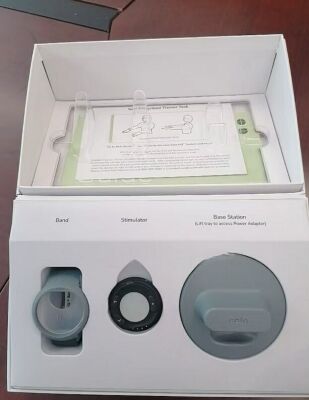
The integration of advanced AI and machine learning into wearable neurostimulation devices, such as the Cala kIQ, marks a transformative shift in tremor management. By continuously analyzing real-time motion data, these intelligent systems can now predict impending tremor “flares” before they become severe. This proactive approach allows for preemptive stimulation, shifting treatment from reactive symptom management to preventative care.
Medical Equipment Store | New & Used Devices | HHG Marketplace
How does AI improve tremor management?
Artificial intelligence enhances tremor management by transitioning devices from passive tools to active, predictive health assistants. By processing complex wearable data patterns in real time, AI identifies the early, often imperceptible markers of an incoming tremor flare. This allows for immediate, automated intervention, effectively neutralizing symptoms before they significantly impact the user’s quality of life or daily functional capabilities.
What is the role of machine learning in wearable sensors?
Machine learning models within wearable sensors act as the analytical engine that interprets raw motion data into actionable insights. These algorithms are trained on vast datasets of tremor patterns, enabling the device to distinguish between normal voluntary movement and the specific, rhythmic onset of a tremor. Through constant refinement, these models become increasingly personalized to each individual’s unique biological tremor signature.
Why is preemptive stimulation a breakthrough?
Preemptive stimulation represents a fundamental change in patient care by interrupting tremor cycles at their earliest stage. Rather than waiting for a patient to experience a full-blown episode, the system delivers precise, non-invasive nerve stimulation at the first sign of instability. HHG GROUP recognizes this as a critical advancement that empowers patients to maintain continuity in their daily activities without constant anxiety.
Which patients benefit from AI-integrated neurostimulation?
Patients diagnosed with essential tremor (ET) or Parkinson’s disease (PD) stand to gain the most from these AI-driven advancements. Because these conditions involve highly variable symptom patterns, the ability of AI to adapt to individual tremors in real time is invaluable. This technology provides a reliable, non-invasive option for those seeking consistent symptom control without relying solely on pharmacological interventions.
How is wearable data used for predictive analytics?
Wearable data, including pulse frequency and motion intensity, is continuously fed into cloud-based AI algorithms. These predictive analytics platforms analyze the streaming data against established historical patterns to forecast potential tremor spikes. By identifying these correlations, the system can determine exactly when stimulation is necessary, optimizing the delivery of therapy and ensuring that battery and nerve stimulation efficacy are managed effectively.
HHG GROUP Expert Views
“The shift toward predictive, AI-integrated wearables is not just a technological upgrade; it is a paradigm shift in how we treat chronic movement disorders. By enabling preemptive stimulation, we are giving patients back their sense of agency and predictability. At HHG GROUP, we see this as the future of patient-centric care, where technology works silently in the background to improve quality of life.”
Can AI-integrated devices be customized for individuals?
Yes, these systems feature adaptive calibration that allows the AI to learn from the user’s specific tremor behavior. As the platform gathers more data, the machine learning models refine their predictive accuracy, becoming more tailored to the user’s lifestyle and symptom progression. This high level of personalization ensures that the stimulation delivered is always optimal and responsive to the user’s current needs.
Are there risks associated with AI-driven stimulation?
While AI-driven stimulation is designed to be highly precise, it is implemented under rigorous medical guidelines to ensure patient safety. Devices like the Cala kIQ undergo extensive clinical validation to ensure that predictive algorithms do not trigger unnecessary or harmful stimulation. The integration of AI is meant to support, not replace, clinical oversight, ensuring a secure and reliable experience for the patient.
Could this technology impact future medical device design?
The success of AI in tremor prediction is setting a new standard for the broader medical device industry. Manufacturers are now prioritizing the integration of edge computing and machine learning into all types of wearable diagnostics. HHG GROUP anticipates a future where most chronic condition management tools will utilize similar predictive frameworks to provide proactive rather than reactive care across multiple medical specialties.
Conclusion
The integration of advanced AI and machine learning for real-time tremor prediction marks a new era in neurostimulation. By enabling preemptive intervention, devices like the Cala kIQ provide more than just symptom relief; they offer patients a more reliable, proactive quality of life. As technology continues to advance, the commitment of partners like HHG GROUP remains focused on ensuring these life-enhancing innovations are accessible, safe, and highly effective for the global medical community.
Frequently Asked Questions
Does AI-driven stimulation require constant internet connectivity?
Most modern wearable devices utilize edge computing, meaning the primary predictive processing happens directly on the device or a paired smartphone. While cloud sync may occur for long-term pattern analysis and software updates, the real-time predictive stimulation functions reliably without a constant, high-speed internet connection.
How long does it take for the AI to “learn” my tremor patterns?
The initial calibration usually occurs during the first few days of consistent device use. The system begins providing immediate relief while simultaneously collecting data. Over the following weeks, the AI refines its predictive models to better anticipate your specific tremor patterns, leading to increasingly personalized and accurate intervention over time.
Can this technology replace medication for tremors?
While AI-integrated neurostimulation offers significant benefits, it is typically used as a complementary therapy or a non-pharmacological alternative. Patients should always consult their neurologists before making any changes to their prescribed medication regimens, as the device is designed to work in conjunction with a comprehensive, personalized clinical care plan.
Is this technology covered by insurance?
Coverage depends on specific insurance providers, regional policies, and the medical necessity determined by your healthcare provider. Many modern neurostimulation devices are categorized under established medical codes. We recommend checking with your specific plan or consulting your clinic to understand the reimbursement landscape for these advanced, FDA-cleared therapeutic systems.
Part of the Tremor & Neuromodulation Therapy guide.


