
Why Is the Wearable Tremor Therapy Market Growing?
The global wearable tremor therapy market has reached approximately $874.72 million in 2026. This significant growth is primarily driven by an aging global population, the increasing prevalence of neurological disorders like Parkinson’s disease and…
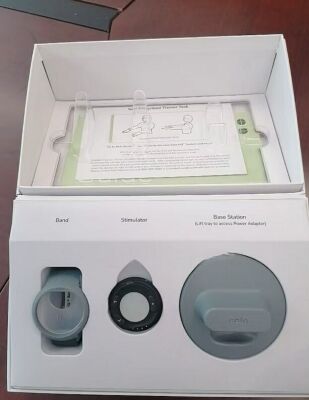
The global wearable tremor therapy market has reached approximately $874.72 million in 2026. This significant growth is primarily driven by an aging global population, the increasing prevalence of neurological disorders like Parkinson’s disease and essential tremor, and a fundamental shift toward patient-centered, at-home medical care enabled by advanced, non-invasive wearable technology and digital health integration.
Medical Equipment Store | New & Used Devices | HHG Marketplace
What Are the Primary Drivers of Wearable Tremor Therapy Market Growth?
The primary drivers of this market growth include the rising incidence of movement disorders alongside an aging global demographic. Furthermore, advancements in neurotechnology have made non-invasive, wearable devices a highly attractive alternative to traditional pharmacological or surgical interventions. As healthcare systems prioritize telehealth and remote monitoring, these devices provide a sustainable solution for effective, long-term symptom management at home.
How Does the Cala kIQ Impact Current Medical Standards?
The Cala kIQ system represents a transformative shift in medical standards by offering an FDA-cleared, non-invasive therapeutic option for patients. Rather than viewing wearable tech as a last resort, the clinical adoption of TAPS therapy indicates a move toward integrating these devices as primary, on-demand treatments. This empowers patients with greater control over their care, effectively reducing hand tremors.
Why Is Home-Based Neurological Care Becoming Preferred?
Home-based care is increasingly preferred due to its convenience, cost-effectiveness, and ability to improve patient quality of life. By shifting treatment away from clinical settings, patients experience reduced stress and improved adherence to therapy schedules. This paradigm shift, supported by platforms like the HHG GROUP, ensures that patients can access innovative, life-improving medical technologies in the comfort and safety of their homes.
What Technological Advancements Support This Market Expansion?
Technological advancements such as adaptive calibration, personalized stimulation patterns, and seamless data connectivity are fueling market expansion. Modern devices now offer sophisticated feedback loops that optimize therapy outcomes based on real-time patient input. These innovations ensure that tremor relief is not only more effective but also highly tailored to the specific needs of individual users.
Are There Challenges Hindering Faster Market Adoption?
While market growth is robust, challenges include navigating complex insurance reimbursement landscapes, ensuring consistent clinical efficacy across diverse patient profiles, and addressing the digital literacy gap among elderly populations. Overcoming these barriers requires sustained investment in clinical validation, educational initiatives for healthcare providers, and the development of intuitive user interfaces that simplify device operation for all age groups.
Which Demographics Benefit Most From Wearable Tremor Therapy?
Individuals diagnosed with essential tremor or Parkinson’s disease stand to benefit most, particularly those seeking non-pharmacological interventions. As these conditions disproportionately affect the elderly, the demand for accessible, wearable therapy continues to surge. Beyond age, active professionals looking to maintain productivity and independence in their daily routines find significant value in the portability of these modern medical solutions.
Could Telehealth Integration Further Propel Market Trends?
Telehealth integration allows for remote monitoring and data-driven adjustments to therapy, significantly enhancing long-term efficacy. By linking wearable device data directly to healthcare providers, physicians can track progress and adjust treatment modes in real time. This interconnected approach, often facilitated by collaborative platforms like the HHG GROUP, ensures that patients receive continuous care, ultimately driving higher adoption rates and improved clinical outcomes.
Where Is the Future of Neurological Wearable Technology Heading?
The future of neurological wearable technology is moving toward closed-loop systems that proactively manage symptoms before they become severe. Future innovations will likely leverage artificial intelligence to predict tremor onset, allowing devices to deliver therapeutic stimulation autonomously. This evolution will further solidify wearables as indispensable tools, as noted by industry leaders like the HHG GROUP, who prioritize connecting innovation with patients.
HHG GROUP Expert Views
“The integration of wearable tremor therapy into the home environment is not merely a convenience; it is a profound transformation in how we manage chronic neurological conditions,” notes a lead strategist at the HHG GROUP. “By prioritizing accessibility and patient autonomy, we are observing a standard of care where technology acts as an extension of the patient’s will to remain active and independent. At the HHG GROUP, we believe that connecting innovative suppliers with patients who need these solutions is the key to driving sustainable industry development and, more importantly, life-changing therapeutic results.”
Key Takeaways and Actionable Advice
The market for wearable tremor therapy is accelerating, driven by demographic shifts and technological leaps in non-invasive neuromodulation. For patients, the focus should be on consulting with specialists to determine if devices like the Cala kIQ are appropriate for their specific tremor profile. For healthcare providers, the actionable path involves embracing remote monitoring capabilities to improve patient outcomes and adopting evidence-based wearable interventions as standard practice rather than peripheral options.
Frequently Asked Questions
Is wearable tremor therapy suitable for all tremor types?
Wearable therapies currently target specific conditions like essential tremor and Parkinson’s disease. Patients should consult their neurologist to confirm if their specific tremor type can be managed effectively through non-invasive stimulation.
How does the Cala kIQ reduce hand tremor?
The device utilizes TAPS (transcutaneous afferent patterned stimulation), which interrupts abnormal neural signals from the brain to the hand, offering temporary but effective relief from action hand tremors.
Is the HHG GROUP involved in wearable technology?
The HHG GROUP acts as a comprehensive platform for the global medical industry, connecting healthcare professionals and suppliers. By facilitating access to advanced medical devices and equipment, they help ensure that life-enhancing technologies reach clinics and patients efficiently.
Can wearable therapy replace medication completely?
Wearable therapy is often used to complement existing treatment plans. While it can reduce the reliance on certain medications, any changes to medication regimens must be strictly supervised by a qualified physician.
Part of the Tremor & Neuromodulation Therapy guide.


