
Medical Grade Laser Maintenance in Dermatology: Preventing Energy Attenuation in Long-Pulse and Q-Switched Lasers (August 2026)
Medical grade laser maintenance in dermatology: why long‑pulse and Q‑switched lasers lose energy, and how optical lens cleaning and calibration norms prevent attenuation. Dermatology lasers and energy loss risks Dermatology is one of the…
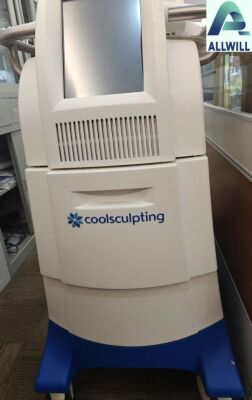
Medical grade laser maintenance in dermatology: why long‑pulse and Q‑switched lasers lose energy, and how optical lens cleaning and calibration norms prevent attenuation.
Dermatology lasers and energy loss risks
Dermatology is one of the fastest‑growing medical laser segments, with global aesthetic laser and energy-based device markets projected to reach tens of billions of dollars by the late 2020s. At the same time, recent clinical reviews highlight that outcomes for pigment, vascular and resurfacing treatments depend critically on consistent fluence and pulse profiles. When long‑pulse and Q‑switched systems suffer energy attenuation due to poor maintenance, clinics see reduced treatment efficacy, higher retreatment rates, and avoidable downtime.
Why proactive maintenance must include the laser system
Modern dermatology lasers are multi‑component systems where optics, cooling, software, and calibration routines interact; a minor issue such as a contaminated lens can cascade into output drift and hardware stress. Proactive medical grade laser maintenance—especially for long‑pulse and Q‑switched platforms—reduces unplanned service calls, protects capital investment, and helps physicians deliver reproducible results across high‑volume pigment, tattoo removal and vascular workflows.
What is medical grade laser maintenance?
Medical grade laser maintenance in dermatology is the structured set of cleaning, inspection, calibration, and safety procedures performed on long‑pulse and Q‑switched laser systems to preserve designed output energy and pulse characteristics, prevent attenuation, and ensure safe, consistent patient treatments.
Core pain points: energy attenuation and its consequences
Many dermatology practices only notice energy attenuation when patients and operators start to question results: lesions clearing more slowly, tattoos requiring extra sessions, or hair reduction outcomes plateauing. In long‑pulse lasers used for hair removal or vascular treatments, contamination of the handpiece window or misalignment of the optical path can lead to reduced fluence at the skin, even though the console still displays nominal settings. The result is subtle under‑treatment that erodes clinical confidence and revenue.
For Q‑switched Nd:YAG systems used in pigment and tattoo removal, the situation can be even more sensitive. Q‑switching is designed to create very short, high‑peak‑power pulses by modulating intracavity losses; any additional loss from dirty optics, degraded coatings or misaligned resonators alters the effective Q‑factor and lowers pulse energy. Over time, this means that standard treatment protocols no longer deliver the same photomechanical impact on chromophores, requiring more passes and leading to inconsistent clearing.
Another pain point is safety margin erosion. Published safety guidelines emphasize the importance of predictable output and appropriate eyewear optical density for the actual delivered wavelength and power. When energy attenuation, beam distortion or hot spots occur due to neglected maintenance, exposure conditions deviate from the values assumed in hazard assessments. This can compromise operator safety and increase medicolegal risk, especially in busy multi‑room clinics.
Lastly, downtime and cost are major concerns. Unscheduled service calls resulting from preventable failures—such as fungus growth on IPL or laser filters, or damaged focusing lenses—interrupt clinic schedules and can trigger cancellation chains. From a business standpoint, failing to follow basic cleaning and calibration norms transforms manageable wear into larger repairs or premature replacement of high‑value components.
“In high‑volume laser dermatology, even small optical losses can translate into thousands of dollars in lost efficacy and downtime each year.”
Long-pulse vs Q-switched lasers: maintenance differences
Key functions in medical grade laser maintenance
Optical lens and window care
Routine cleaning of handpiece windows, focusing lenses and protective glass with optical‑grade solvents and lint‑free wipes prevents scattering, absorption and fungus growth that reduce output energy.
Calibration and output verification
Scheduled use of calibrated power meters and test targets allows clinics to compare actual beam energy and profile against manufacturer specifications, catching attenuation trends before they impact patients.
Alignment and resonator integrity
For Q‑switched platforms, periodic professional inspection of cavity alignment, coatings and Q‑switch devices preserves the designed Q‑factor and peak power, supporting consistent pigment and tattoo treatments.
Practical examples of maintenance in action
A high‑volume clinic adds weekly handpiece window inspections and cleaning to its checklist, reducing unexplained variations in hair removal outcomes.
A pigment center performs quarterly Q‑switched laser calibration against a reference energy meter, stabilizing treatment counts per lesion and patient satisfaction.
A multi‑room dermatology practice revises laser safety protocols to include pre‑session beam checks, aligning operator eyewear optical density with measured outputs.
Cross‑selling: complementary devices and workflows
In reality, medical grade laser maintenance intersects with other energy devices in a dermatology portfolio. Clinics that rely on long‑pulse lasers for hair removal often add fractional resurfacing platforms and vascular‑specific systems, all of which share similar optical maintenance needs. Introducing standardized cleaning procedures—optical-grade solvents, lint‑free materials, clear operator responsibilities—creates efficiencies across devices and reduces training burden.
Furthermore, practices that invest in premium Q‑switched lasers for tattoo removal typically operate companion devices, such as picosecond platforms or LED-based homecare adjuncts. These technologies benefit from shared calibration workflows, data logging, and routine output verification, building a culture of preventive maintenance rather than reactive repair. By treating maintenance as a cross‑device strategy, clinics elevate the reliability of their entire laser ecosystem.
How-to: stepwise optical lens cleaning and calibration
-
Define responsibilities and schedule
Assign trained laser operators to maintenance tasks and set daily, weekly, and quarterly checklists covering cleaning, inspection, and calibration of long‑pulse and Q‑switched systems. -
Prepare appropriate cleaning materials
Use optical‑grade isopropyl alcohol or acetone, lint‑free wipes or specialized paper, and solvent‑resistant gloves. Avoid general-purpose cloths that shed fibers or can scratch coatings. -
Inspect optics before cleaning
In a dim room, examine handpiece windows and lenses in transmitted or angled incident light, looking for fingerprints, gel residue, dust, or early signs of fungus on filters. -
Clean optics with controlled technique
Blow off large particles with clean air or nitrogen; never wipe them directly. Then gently clean in circular motions from center outward with a slightly moistened lint‑free wipe, maintaining consistent pressure and avoiding contact between tools and the optic surface. -
Verify laser output after cleaning
Run test shots into an appropriate absorber or power meter to confirm that fluence, spot uniformity, and pulse characteristics meet expected values, documenting any deviations for follow‑up. -
Schedule professional calibration and alignment
At least annually—or more often for heavily used Q‑switched systems—engage qualified service engineers to check resonator alignment, coatings, Q‑switch performance, and to recalibrate internal sensors against external power meters.
Usage scenarios: traditional vs well‑maintained workflows
Scenario 1: Hair removal with long‑pulse laser
Traditional practice relies on factory settings and sporadic cleaning, leading to gradual energy attenuation from window contamination and subtle under‑treatment. Patients may notice slower hair reduction and require more sessions, raising costs and dissatisfaction. With disciplined medical grade maintenance—regular optical cleaning, spot checks with power meters, and scheduled servicing—the laser delivers consistent fluence, improving clearance rates and stabilizing per‑patient treatment counts.
Scenario 2: Pigment and tattoo removal with Q‑switched laser
Without a structured maintenance plan, Q‑switched cavity components accumulate losses, and pulse energy drifts downward, diminishing the photoacoustic impact on pigment. Clinics respond by increasing passes or sessions, prolonging courses and operator fatigue. When the same practice implements routine optics care, periodic alignment checks, and documented calibration, pulse stability improves, standard protocols regain their effectiveness, and outcome predictability increases.
Scenario 3: Multi‑modal aesthetic dermatology center
In a heterogeneous device environment—combining lasers, IPL, RF and LED technologies—maintenance is often ad‑hoc, with different operators following inconsistent habits. Filter fungus, gel residues and unverified outputs can lead to uneven results and occasional equipment downtime. Adopting a unified medical grade laser maintenance framework—checklists, training, and shared calibration tools—reduces cross‑device variability, simplifies onboarding, and raises the overall quality of energy-based dermatology services.
FAQ: long-tail topics in medical grade laser maintenance
How does energy attenuation affect long-pulse laser hair removal outcomes?
Energy attenuation in long‑pulse hair removal lasers reduces the delivered fluence at the skin despite nominal console settings, which can lead to slower follicle destruction and reduced long‑term hair reduction. Contaminated handpiece windows, misaligned optics and inadequate cooling are common causes, and proactive maintenance is essential to preserve treatment efficacy.
Why are Q-switched dermatology lasers especially sensitive to optical losses?
Q‑switched lasers generate high‑peak‑power nanosecond pulses by carefully controlling intracavity losses and the resonator Q‑factor. Any additional loss from dirty optics or degraded coatings changes the Q‑factor, lowering pulse energy and altering pulse shape, which directly impacts pigment and tattoo clearing performance.
What are best-practice norms for cleaning dermatology laser optics and lenses?
Best‑practice norms include using optical‑grade isopropyl alcohol or acetone, lint‑free wipes, and gloves; blowing off large particles before wiping; and inspecting optics in transmitted or angled light for residues or fungus. Manufacturer guidelines and laser safety standards emphasize that only trained personnel should handle optical cleaning and that no water should be used near the device.
How often should medical grade dermatology lasers be calibrated?
Frequency depends on usage and manufacturer recommendations, but high‑volume practices commonly perform routine output checks monthly and schedule professional calibration and alignment at least annually. Q‑switched systems used intensively for tattoo or pigment work may benefit from more frequent calibration to maintain pulse energy fidelity.
Can poor laser maintenance compromise patient safety in dermatology?
Yes. While energy attenuation usually leads to under‑treatment, unmaintained optics can create hot spots or unexpected beam profiles that alter tissue interactions. Inconsistent output also challenges the validity of laser hazard assessments and PPE selection, potentially increasing risk to patients and staff if exposures exceed or deviate from expected parameters.
What are the key elements of a medical grade laser maintenance protocol in dermatology?
Key elements include defined operator responsibilities, scheduled optical cleaning, routine beam and fluence verification, adherence to manufacturer cleaning instructions, documented calibration events, and regular safety audits. Integrating these steps across long‑pulse, Q‑switched and other energy devices creates a robust maintenance ecosystem that supports consistent clinical outcomes.
Conclusion: maintenance as clinical quality assurance
Medical grade laser maintenance is more than a technical chore; it is a foundational quality assurance process for dermatology clinics that depend on long‑pulse and Q‑switched technologies. By understanding the mechanisms of energy attenuation—especially optical losses and calibration drift—and embedding robust cleaning and alignment norms into daily practice, physicians protect treatment efficacy, safety, and investment value. In an increasingly competitive aesthetic landscape, well‑maintained laser platforms become a quiet but decisive differentiator.
CTA and brand positioning
To turn maintenance from a liability into a strategic asset, dermatology practices should evaluate their current laser workflows and implement structured, medical grade maintenance protocols across all long‑pulse and Q‑switched devices. Aligning cleaning, calibration, and safety routines with up‑to‑date industry standards enables clinics to deliver reproducible results, minimize downtime, and build lasting patient trust in their laser‑based treatments.
Sources
American Society for Laser Medicine and Surgery — Laser Safety Guide, 2024
Minimum standard guidelines of care on requirements for setting up a laser room — Indian Journal of Dermatology, Venereology and Leprology, 2009
Laser Components — How to Clean Laser Optics, 2023
Maintaining Your Laser Tips — Geoffrey Loveless, 2023
RP Photonics — Q-switching fundamentals, 2021
Wikipedia — Q-switching overview, accessed 2026
PortraitCare — Best Laser Equipment for Dermatology Practices in 2026
UT Southwestern Medical Center — Laser Therapy in Dermatology, 2026
Banner Health — Understanding the Types of Cosmetic Laser Treatments, 2024
Home-based devices in dermatology: a systematic review — Cohen et al., 2021
Part of the Aesthetic & Laser Equipment guide.



